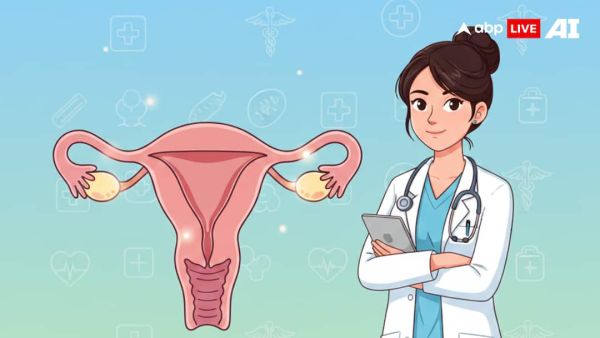
Women often delay visiting a gynecologist unless there is severe pain or a visible problem. However, reproductive and hormonal health require regular monitoring, even when symptoms seem minor. As gynecologists, we emphasize that early consultation can prevent complications, ensure timely diagnosis, and support long-term well-being. Ignoring subtle warning signs may allow manageable conditions to progress into more serious concerns.
Irregular Menstruation:
One of the most common reasons to see a gynecologist is irregular menstruation. If your periods suddenly become very heavy, extremely painful, unusually prolonged, or absent for several months and pregnancy is ruled out, it may indicate hormonal imbalances, thyroid disorders, polycystic ovary syndrome (PCOS), fibroids, or other underlying conditions. Bleeding between periods or after menopause is never normal and should be evaluated promptly.
Pelvic Pain:
Persistent pelvic or lower abdominal pain is another sign that requires medical attention. While mild discomfort during menstruation can be common, severe pain that interferes with daily activities may signal conditions such as endometriosis, ovarian cysts, pelvic inflammatory disease, or infections. Pain during intercourse is also not something to ignore, as it may be linked to infections, vaginal dryness, or structural issues.
Unusual Vaginal Discharge:
Unusual vaginal discharge, especially if accompanied by a foul odor, itching, burning sensation, or change in color, can indicate infections such as bacterial vaginosis or yeast infections. Sexually transmitted infections (STIs) may also present with mild or no symptoms initially, which is why regular screenings are essential for sexually active women. Early treatment helps prevent complications like infertility.
Changes In Breast Health:
Changes in breast health should also prompt a visit. Any lump, nipple discharge, persistent pain, or skin changes over the breast should be evaluated. While many breast changes are benign, timely assessment ensures early detection of more serious conditions. Routine breast examinations and screenings, as advised by your doctor, play a critical preventive role.
Fertility Concerns:
Women planning pregnancy or experiencing difficulty conceiving should consult a gynecologist for preconception counseling and fertility evaluation. Similarly, symptoms such as excessive facial hair growth, sudden weight changes, acne flare-ups, or hair thinning may reflect hormonal disturbances that require medical guidance.
Important Of Checkups:
Menopausal symptoms like severe hot flashes, mood swings, sleep disturbances, or vaginal dryness can significantly affect quality of life. A gynecologist can offer lifestyle advice, hormonal therapies, or alternative treatments tailored to individual needs. Additionally, urinary leakage, recurrent urinary infections, or pelvic pressure may indicate pelvic floor disorders that benefit from early intervention.
Even in the absence of symptoms, women should schedule routine gynecological check-ups. Regular Pap smears, pelvic exams, and screenings help detect cervical cancer and other conditions at an early stage. Preventive care is far more effective than reactive treatment.
Disclaimer: The information provided in the article is shared by experts and is intended for general informational purposes only. It is not a substitute for professional medical advice, diagnosis, or treatment. Always seek the advice of your physician or other qualified healthcare provider with any questions you may have regarding a medical condition.
-
Jairam Ramesh compares Parliament to North Korea’s Assembly

-
Shoaib Ibrahim cooks Iftari for family, ensures Dipika Kakar rests post major surgery

-
Premium Bonds 'further decrease' warning as NS&I prize changes loom

-
Why Problems Increase Before Hanuman's Blessing

-
Delhi Holi 2026: Parties, feasts and celebrations you simply can't miss