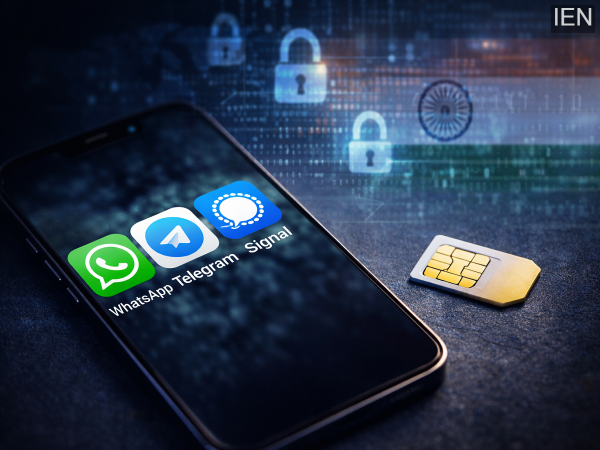
New SIM-Binding Regulation Explained: A major regulatory change has now come into effect for messaging platforms operating in India. The Department of Telecommunications (DoT) has fully implemented its SIM-binding mandate, making it compulsory for apps like WhatsApp, Telegram, and Signal to remain continuously linked to the user’s registered SIM card.
The 90-day compliance window ended on February 28, and the new rule is now officially active. Under this regulation, the SIM card used to register a messaging account must stay inserted and active in the same mobile device. If the SIM is removed, replaced, or becomes inactive, the messaging app may automatically stop functioning until verification is completed again.
The government describes this move as a crucial step to curb cyber fraud and prevent misuse of fake or remotely operated accounts.
What Is the SIM-Binding Rule?
Previously, users only needed a one-time OTP verification to activate their messaging accounts. After verification, many apps continued to function even if the SIM card was removed or the device was operated solely on Wi-Fi. This loophole allowed certain individuals to misuse accounts without maintaining an active connection to the registered mobile number.
With the new SIM-binding framework, a continuous technical link between the app and the physical SIM card is mandatory.
If the registered SIM card is:
-
Removed from the device
-
Replaced with another SIM
-
Deactivated or inactive
The associated messaging account may automatically stop working. To restore access, users will need to reinsert the original SIM card and complete the verification process again.
Impact on WhatsApp Web and Multi-Device Features
The regulation is expected to have an immediate impact on web and desktop sessions. For example, WhatsApp Web sessions may now auto-logout periodically, potentially every six hours. Users will be required to re-authenticate by scanning a QR code from their primary mobile device that contains the active registered SIM.
While the mobile app is expected to continue functioning normally as long as the SIM remains active, linked device features — such as tablets or secondary desktops — may require more frequent re-verification if the primary SIM-enabled phone is not detected as active.
This change introduces additional security layers but may require users to adapt to more frequent login checks.
Why Has the Government Introduced This Rule?
According to the Department of Telecommunications, cyber fraud and digital financial crimes have risen sharply in recent years. Investigations revealed that some fraudsters completed OTP verification using Indian numbers and later operated those accounts remotely, sometimes even from outside the country.
These accounts were reportedly used for phishing scams, impersonation, and financial fraud. By mandating permanent linkage between messaging accounts and KYC-verified SIM cards, authorities aim to strengthen digital traceability and enhance national security safeguards.
The government believes that tighter SIM integration will significantly reduce anonymous or remotely controlled fraudulent accounts.
Who Is Affected and Who Is Exempt?
The regulation currently applies only to accounts registered with Indian mobile numbers. The government has clarified that domestic or international travelers will not face service disruptions, provided their original Indian SIM card remains inserted in their device.
However, users who remove their Indian SIM card while traveling abroad to use a foreign SIM may find their messaging apps temporarily inactive. To regain access, they must reinsert their original SIM and complete verification again.
This clarification is particularly important for frequent travelers and business professionals who rely on dual-SIM functionality.
A Significant Step Toward Digital Security
Industry experts suggest that while the new requirement may slightly reduce user convenience, it represents a strong move toward reinforcing cybersecurity infrastructure. The SIM-binding framework is expected to limit fake account creation and restrict cross-border misuse of messaging services.
As India continues to expand its digital ecosystem, regulatory tightening appears aimed at building a safer communication environment. Analysts are also watching closely to see whether similar SIM-linked verification models may be extended to other digital services, including payment apps or social media platforms.
For now, users of major messaging apps in India should ensure their registered SIM card remains active and inserted in their primary device to avoid sudden account disruptions.
-
'Superman Sanju' toast of India after T20 World Cup heroics

-
Homemade best Holi dessert recipes with bourbon biscuits that melt in your mouth

-
Holi 2026: Are you also troubled by indigestion? Get instant relief with these 5 home remedies

-
Stylish Jutti Tips for Ramadan

-
Rajpal Yadav broke his silence on check bounce case, said – fabricated stories spread on social media