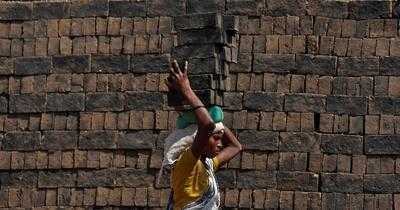
With expanding cities, rising housing demand, and large-scale infrastructure projects, India is witnessing one of the world’s fastest construction booms.
Under the government’s urban housing scheme, over a period of 10 years, 11.8 million houses were sanctioned, 11.4 million grounded for construction, and over 8 million completed as of 2024. Meanwhile, under the rural housing scheme the government plants to construct 20 million houses by 2029. Every year, the country constructs millions of buildings, reflecting both the scale and pace of this growth.
The construction sector is a critical contributor to climate change. According to the World Green Building Council, buildings and construction together account for 39% of global energy-related carbon emissions, with materials and construction alone contributing 11%.
The growing construction demand has increased the demand for bricks and the brick industry is growing. India is the world’s second-largest producer of bricks, after China. Yet, much of the sector is unorganised, widely dispersed, and largely informal.
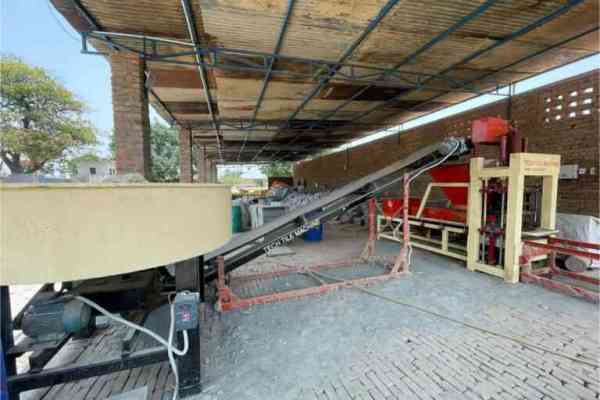
Traditional brick-making methods rely on coal-fired, energy-intensive kilns, resulting in higher emissions from fired clay bricks used in construction. The brick industry is one of the largest (coal) energy users and a source of GHG emissions from India. But it also employs some of the largest workforces in India, after agriculture.
Kanpur, an industrial city in Uttar Pradesh, has a...
Read more
-
Hyderabad: Rashmika, Vijay Deverakonda host star-studded reception at Taj Krishna

-
Arsenal's statement on William Saliba injury as defender misses Brighton match

-
Dele Alli Tottenham return truth after midfielder makes decision on retiring aged 29

-
This is how you can travel for free on Namo Bharat and Meerut Metro, earn points, and find out what the offer is..
-
T20 World Cup 2026: Can India Overcome 2016 Ghosts At Wankhede?