In World War II alone, submarines using torpedoes sank more than 14 million tons of merchant shipping, reshaping global naval strategy forever. The torpedo, a self-propelled underwater missile, remains one of the most powerful and precise naval weapons ever built. Navies still rely on it as a primary strike weapon against submarines and surface ships. Unlike a naval mine, a torpedo actively travels through water, tracks its target, and detonates at the most destructive point — often beneath the hull.
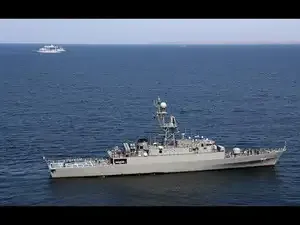
Reports on March 4, 2026, revealed that a U.S. Navy submarine sank the Iranian warship IRIS Dena using a torpedo in the Indian Ocean near Sri Lanka. The strike highlighted how submarines remain one of the most lethal tools in modern naval warfare.
A submarine can fire torpedoes from deep underwater while staying hidden from radar and visual detection. This stealth capability makes torpedo attacks extremely difficult to counter. Analysts say the incident demonstrates the continued strategic importance of submarine warfare, naval missiles, and torpedo technology in global military conflicts.
According to early reports, the submarine launched a heavyweight torpedo that struck the Iranian frigate below the waterline. The explosion caused severe structural damage and forced the ship to sink rapidly. Rescue teams later searched the waters near Sri Lanka for survivors as the news spread across international defense circles.
Today, the torpedo stands at the center of modern naval warfare, submarine weapons systems, and antisubmarine warfare strategy. Engineers continuously refine its propulsion systems, acoustic homing guidance, stealth capability, and explosive warheads. From its 19th-century invention to its role in current maritime deterrence, the torpedo has evolved into a high-precision underwater missile system that dominates beneath the surface.
Naval forces later adopted the “spar torpedo.” Sailors mounted an explosive charge at the end of a long pole and rammed it into enemy ships. Once the charge touched the hull, it detonated. While effective at close range, spar torpedoes exposed attacking crews to extreme danger.
These early systems lacked propulsion and guidance. Naval engineers wanted a weapon that could travel underwater independently, strike from a distance, and reduce risk to crews. That demand led to the invention of the modern torpedo.
His early torpedo measured about 14 feet in length and 14 inches in diameter. It weighed roughly 300 pounds and carried an 18-pound dynamite warhead. A compressed-air engine powered a single propeller, pushing the weapon at 6 knots across distances of up to 700 yards.
Whitehead solved one of the biggest engineering challenges: depth control. He installed a hydrostatic valve that adjusted horizontal rudders automatically. In 1895, engineers added a gyroscope, which stabilized direction and corrected course deviations. This innovation dramatically improved accuracy and expanded naval tactics. Ships could now fire torpedoes without aligning directly with their targets.
Whitehead’s breakthrough transformed the torpedo into a true underwater missile.
Manufacturers equip modern torpedoes with sophisticated depth sensors and onboard computers. These systems constantly adjust vertical and horizontal rudders to maintain optimal attack angles. Engineers design them to detonate either on contact or beneath the hull, where explosive force can break a ship’s keel.
Acoustic homing technology defines modern torpedo warfare. Active-acoustic torpedoes emit sonar pulses and track returning echoes. Passive-acoustic torpedoes listen silently and home in on engine noise or propeller sounds. This combination increases hit probability while maintaining stealth.
Some advanced systems even combine missile and torpedo technology. A rocket launches the weapon through the air, then it enters the water and transitions into torpedo mode. This hybrid approach extends strike range and enhances surprise.
In World War II, U-boats sank thousands of vessels across the Atlantic. This campaign forced Allied forces to develop convoy systems, sonar detection, and depth-charge countermeasures. The introduction of acoustic homing torpedoes late in the war increased lethality even further.
Aircraft also began launching torpedoes during World War II. Torpedo bombers attacked battleships and aircraft carriers, proving that underwater missile technology could operate across multiple platforms.
The torpedo shifted naval warfare from surface dominance to underwater strategy. It forced every major navy to invest in submarine detection and antisubmarine warfare.
The Japanese Type 93 “Long Lance” became one of the most powerful torpedoes of World War II, known for its long range and oxygen-fueled propulsion. Modern equivalents focus on stealth, countermeasure resistance, and precision strike capability.
Attack submarines carry torpedoes as standard armament. These submarines hunt enemy vessels and missile submarines, playing a critical role in antisubmarine warfare operations worldwide.
More than 40 nations currently operate submarine fleets equipped with advanced torpedoes. In regions such as the Indo-Pacific and the North Atlantic, underwater missile systems serve as key deterrents.
Missile systems dominate headlines, yet torpedoes retain unique advantages. Radar cannot detect them underwater. Their stealth makes them ideal for surprise attacks.
When a torpedo detonates beneath a ship’s hull, it creates a gas bubble that lifts and breaks the vessel’s keel. This method causes catastrophic structural failure. As a result, even large warships remain vulnerable.
Naval strategists view torpedoes as central to maritime security planning. They provide precision, stealth, and devastating impact in contested waters.
A torpedo is a self-propelled underwater missile designed to destroy ships and submarines. Modern models can travel over 50+ kilometers at 50+ knots using battery or thermal propulsion. They use depth sensors, hydrostatic controls, and acoustic homing to track targets and detonate on or beneath the hull.
2. What are the main types of torpedo guidance systems?
There are two primary guidance types: active and passive acoustic. Active acoustic torpedoes emit sonar pings and lock onto echo returns. Passive acoustic torpedoes listen for target noise. Acoustic homing improved hit rates dramatically over pre-World War II wire-guided systems.
3. How do submarines deploy torpedoes in combat?
Submarines launch torpedoes via underwater tubes. During World War II, German U-boats sank millions of tons of shipping with torpedoes, proving their strategic value. Modern subs integrate fire-control computers to calculate depth, speed, and heading before firing.
4. Can torpedoes hit both surface ships and submarines?
Yes. Modern heavyweight torpedoes are dual-role weapons. They can engage surface vessels using active targeting or hunt submarines using passive acoustic tracking. Dual-mode warheads ensure maximum damage whether striking above or below the waterline.
Reports on March 4, 2026, revealed that a U.S. Navy submarine sank the Iranian warship IRIS Dena using a torpedo in the Indian Ocean near Sri Lanka. The strike highlighted how submarines remain one of the most lethal tools in modern naval warfare.
A submarine can fire torpedoes from deep underwater while staying hidden from radar and visual detection. This stealth capability makes torpedo attacks extremely difficult to counter. Analysts say the incident demonstrates the continued strategic importance of submarine warfare, naval missiles, and torpedo technology in global military conflicts.
According to early reports, the submarine launched a heavyweight torpedo that struck the Iranian frigate below the waterline. The explosion caused severe structural damage and forced the ship to sink rapidly. Rescue teams later searched the waters near Sri Lanka for survivors as the news spread across international defense circles.
Today, the torpedo stands at the center of modern naval warfare, submarine weapons systems, and antisubmarine warfare strategy. Engineers continuously refine its propulsion systems, acoustic homing guidance, stealth capability, and explosive warheads. From its 19th-century invention to its role in current maritime deterrence, the torpedo has evolved into a high-precision underwater missile system that dominates beneath the surface.
Early torpedo history and the evolution of underwater explosive weapons
The word “torpedo” originally described underwater explosive devices, including naval mines. During the Napoleonic Wars, American inventor Robert Fulton experimented with explosive charges and referred to them as torpedoes. He drew inspiration from the electric ray fish, which stuns enemies with electric shocks.Naval forces later adopted the “spar torpedo.” Sailors mounted an explosive charge at the end of a long pole and rammed it into enemy ships. Once the charge touched the hull, it detonated. While effective at close range, spar torpedoes exposed attacking crews to extreme danger.
These early systems lacked propulsion and guidance. Naval engineers wanted a weapon that could travel underwater independently, strike from a distance, and reduce risk to crews. That demand led to the invention of the modern torpedo.
Robert Whitehead and the invention of the modern self-propelled torpedo
In 1866, British engineer Robert Whitehead introduced the first practical self-propelled torpedo. The Austrian Navy initially asked him to design an explosive boat controlled by cables. Whitehead rejected that idea and instead created a cigar-shaped underwater missile that could guide itself.His early torpedo measured about 14 feet in length and 14 inches in diameter. It weighed roughly 300 pounds and carried an 18-pound dynamite warhead. A compressed-air engine powered a single propeller, pushing the weapon at 6 knots across distances of up to 700 yards.
Whitehead solved one of the biggest engineering challenges: depth control. He installed a hydrostatic valve that adjusted horizontal rudders automatically. In 1895, engineers added a gyroscope, which stabilized direction and corrected course deviations. This innovation dramatically improved accuracy and expanded naval tactics. Ships could now fire torpedoes without aligning directly with their targets.
Whitehead’s breakthrough transformed the torpedo into a true underwater missile.
How modern torpedoes work: propulsion systems, acoustic guidance, and precision targeting
Modern torpedoes operate with far greater speed, range, and intelligence. Today’s designs typically use battery-powered electric motors or advanced thermal propulsion systems. Many reach speeds above 50 knots and travel more than 50 kilometers.Manufacturers equip modern torpedoes with sophisticated depth sensors and onboard computers. These systems constantly adjust vertical and horizontal rudders to maintain optimal attack angles. Engineers design them to detonate either on contact or beneath the hull, where explosive force can break a ship’s keel.
Acoustic homing technology defines modern torpedo warfare. Active-acoustic torpedoes emit sonar pulses and track returning echoes. Passive-acoustic torpedoes listen silently and home in on engine noise or propeller sounds. This combination increases hit probability while maintaining stealth.
Some advanced systems even combine missile and torpedo technology. A rocket launches the weapon through the air, then it enters the water and transitions into torpedo mode. This hybrid approach extends strike range and enhances surprise.
Torpedoes in World War I and World War II
Submarines proved to be the most effective torpedo platforms in naval history. During both world wars, German U-boats relied heavily on torpedoes to disrupt Allied supply chains.In World War II, U-boats sank thousands of vessels across the Atlantic. This campaign forced Allied forces to develop convoy systems, sonar detection, and depth-charge countermeasures. The introduction of acoustic homing torpedoes late in the war increased lethality even further.
Aircraft also began launching torpedoes during World War II. Torpedo bombers attacked battleships and aircraft carriers, proving that underwater missile technology could operate across multiple platforms.
The torpedo shifted naval warfare from surface dominance to underwater strategy. It forced every major navy to invest in submarine detection and antisubmarine warfare.
Types of modern torpedoes used in submarine weapons and antisubmarine warfare
Today, navies classify torpedoes based on propulsion method, guidance system, target type, and launch platform. Submarines remain the primary carriers, but surface ships and aircraft also deploy them.The Japanese Type 93 “Long Lance” became one of the most powerful torpedoes of World War II, known for its long range and oxygen-fueled propulsion. Modern equivalents focus on stealth, countermeasure resistance, and precision strike capability.
Attack submarines carry torpedoes as standard armament. These submarines hunt enemy vessels and missile submarines, playing a critical role in antisubmarine warfare operations worldwide.
More than 40 nations currently operate submarine fleets equipped with advanced torpedoes. In regions such as the Indo-Pacific and the North Atlantic, underwater missile systems serve as key deterrents.
Missile systems dominate headlines, yet torpedoes retain unique advantages. Radar cannot detect them underwater. Their stealth makes them ideal for surprise attacks.
When a torpedo detonates beneath a ship’s hull, it creates a gas bubble that lifts and breaks the vessel’s keel. This method causes catastrophic structural failure. As a result, even large warships remain vulnerable.
Naval strategists view torpedoes as central to maritime security planning. They provide precision, stealth, and devastating impact in contested waters.
FAQs:
1. What is a torpedo and how does it work?A torpedo is a self-propelled underwater missile designed to destroy ships and submarines. Modern models can travel over 50+ kilometers at 50+ knots using battery or thermal propulsion. They use depth sensors, hydrostatic controls, and acoustic homing to track targets and detonate on or beneath the hull.
2. What are the main types of torpedo guidance systems?
There are two primary guidance types: active and passive acoustic. Active acoustic torpedoes emit sonar pings and lock onto echo returns. Passive acoustic torpedoes listen for target noise. Acoustic homing improved hit rates dramatically over pre-World War II wire-guided systems.
3. How do submarines deploy torpedoes in combat?
Submarines launch torpedoes via underwater tubes. During World War II, German U-boats sank millions of tons of shipping with torpedoes, proving their strategic value. Modern subs integrate fire-control computers to calculate depth, speed, and heading before firing.
4. Can torpedoes hit both surface ships and submarines?
Yes. Modern heavyweight torpedoes are dual-role weapons. They can engage surface vessels using active targeting or hunt submarines using passive acoustic tracking. Dual-mode warheads ensure maximum damage whether striking above or below the waterline.