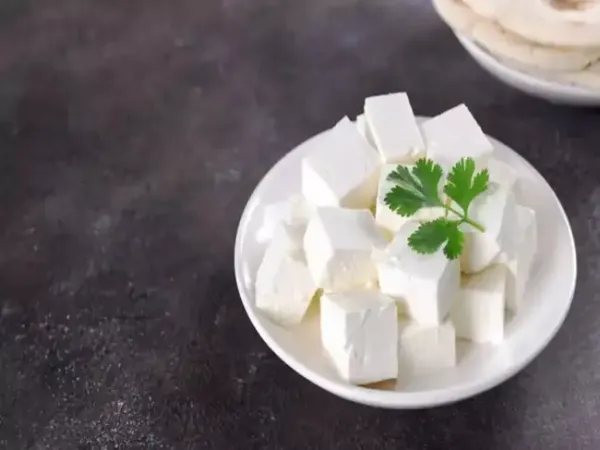
Popular paneer brand Milky Mist is under fire after a post by Dr Sunita Sayammagaru highlighted how the packet turned puffy just weeks before its expiry date. In a post on X, Dr Sunita highlighted two separate packets sweeling despite being freshly purchased and refrigerated promptly, sparking concerns about the consumers. This has also prompted questions like "Is the paneer we eat at home is safe or not?". With rising concerns about food adulteration, it’s crucial to ensure that the paneer you’re consuming is authentic and not a harmful imitation.
Hot Water Test
Put a small cube of paneer in hot or boiling water.
Real paneer: Softens slightly and may dissolve a bit.
Fake paneer: Floats or remains hard without softening.
Vinegar Test
Crush a small piece of paneer and add a few drops of vinegar.
Real paneer: Will curdle and release some liquid due to milk proteins.
Fake paneer: Shows little or no reaction.
ALSO READ: Popular paneer brand packet turns puffy weeks before expiry: Doctor raises concern, company reacts
Burn Test (Smell Test)
Burn a tiny piece using a matchstick or lighter.
Real paneer: Smells like burnt milk.
Fake paneer: May smell chemical-like or plastic-like.
ALSO READ: How to remove permanent Holi colour from face safely in simple, easy steps at home and mistakes you should avoid
Texture and Taste Test
Taste or press a small piece.
Real paneer: Soft, slightly grainy and mildly milky in taste.
Fake paneer: Rubbery, oily or has an unusual aftertaste.
Freezer Test
Keep paneer in the freezer for about an hour.
Real paneer: Becomes firm but softens again after thawing.
Fake paneer: Remains hard or brittle even after thawing.
Iodine Test (to detect starch)
Add a few drops of iodine solution to paneer.
Blue/black colour: Starch present → likely adulterated.
No colour change: No starch detected.
ALSO READ: How to remove Bhang hangover after Holi? Here are eight simple remedies to recover fast and detox your body quickly
Why should you test paneer at home?
Health Risks: Consuming fake paneer made with harmful substances can lead to digestive issues, allergic reactions, and long-term health problems such as heart disease or diabetes.
Nutritional Deficiencies: Fake paneer lacks the nutritional value of real paneer, which is rich in protein, calcium, and other essential vitamins.
Toxins and Chemicals: The artificial fats and starches used in fake paneer can introduce toxins into your system, contributing to obesity and other lifestyle diseases.
ALSO READ: Gained weight after Holi? Do these five easy things tomorrow morning to get back on track quickly
How to identify fake paneer at home
Though the most reliable method to ensure the authenticity of your paneer is through a paneer lab test at a certified food testing lab. However, there are several home tests you can try. Here are simple steps to identify fake paneer at home using household items:Hot Water Test
Put a small cube of paneer in hot or boiling water.
Real paneer: Softens slightly and may dissolve a bit.
Fake paneer: Floats or remains hard without softening.
Vinegar Test
Crush a small piece of paneer and add a few drops of vinegar.
Real paneer: Will curdle and release some liquid due to milk proteins.
Fake paneer: Shows little or no reaction.
ALSO READ: Popular paneer brand packet turns puffy weeks before expiry: Doctor raises concern, company reacts
Burn Test (Smell Test)
Burn a tiny piece using a matchstick or lighter.
Real paneer: Smells like burnt milk.
Fake paneer: May smell chemical-like or plastic-like.
ALSO READ: How to remove permanent Holi colour from face safely in simple, easy steps at home and mistakes you should avoid
Texture and Taste Test
Taste or press a small piece.
Real paneer: Soft, slightly grainy and mildly milky in taste.
Fake paneer: Rubbery, oily or has an unusual aftertaste.
Freezer Test
Keep paneer in the freezer for about an hour.
Real paneer: Becomes firm but softens again after thawing.
Fake paneer: Remains hard or brittle even after thawing.
Iodine Test (to detect starch)
Add a few drops of iodine solution to paneer.
Blue/black colour: Starch present → likely adulterated.
No colour change: No starch detected.
ALSO READ: How to remove Bhang hangover after Holi? Here are eight simple remedies to recover fast and detox your body quickly
Why should you test paneer at home?
Health Risks: Consuming fake paneer made with harmful substances can lead to digestive issues, allergic reactions, and long-term health problems such as heart disease or diabetes.
Nutritional Deficiencies: Fake paneer lacks the nutritional value of real paneer, which is rich in protein, calcium, and other essential vitamins.
Toxins and Chemicals: The artificial fats and starches used in fake paneer can introduce toxins into your system, contributing to obesity and other lifestyle diseases.
ALSO READ: Gained weight after Holi? Do these five easy things tomorrow morning to get back on track quickly