India automakers face export hit as Gulf shipments stall amid war
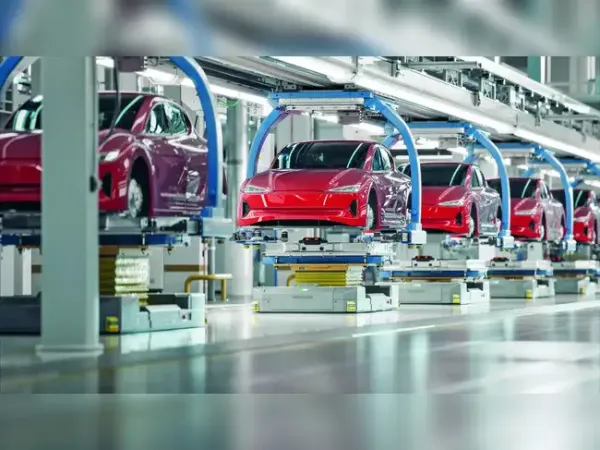
A clutch of Indian automakers is delaying shipments to the Middle East and North Africa, people familiar with the matter said, as escalating regional tensions upend sea routes and drive up freight costs.
With the US and Israel’s war on Iran entering the sixth day, companies including Tata Motors Ltd., Maruti Suzuki India Ltd., Hyundai Motor India Ltd., and the local unit of Volkswagen AG are deferring dispatches of cars and commercial vehicles, the people said, asking not to be identified as the information is not public. The intent is to avoid emergency shipping surcharges of as much as $2,000 per container and war-risk insurance premiums as container availability becomes strained, they added.
The Strait of Hormuz a narrow waterway at the mouth of the Persian Gulf and a vital artery for global trade — has effectively become impassable after Iran warned this week that any vessel attempting passage risks being attacked. Rerouting around South Africa would sharply inflate shipping costs for automakers, prompting them to stall cargo bound for the region.
These automakers can typically hold out on overseas shipments for two to three weeks before storage constraints and working-capital pressures begin to bite, the people said. Any prolonged halt will hurt their sales too as the region is a crucial export market for Indian automakers.
Two-wheeler maker Bajaj Auto Ltd. has stopped its shipments to the Gulf countries which contribute 3% to its exports, one person said. Its shipments to parts of Africa are also affected due to container unavailability and difficulties in berthing ships, the person added.
Representatives for Hyundai India, Maruti Suzuki India, Tata Motors and Bajaj Auto did not immediately respond to emailed requests for comment. A spokesperson for the Volkswagen Group said it’s continuously assessing the situation and possible impact on the company but did not address whether its exports were affected.
Read More: How Strikes on Iran Put Focus on the Strait of Hormuz: QuickTake
Middle East and North Africa, or MENA, represents between 8% and 40% of total export volumes for key original equipment manufacturers, implying a hit if shipments are delayed or canceled, according to Jay Kale, executive vice president at Elara Capital India Pvt.
Maruti Suzuki said in a media call March 1 that the Middle East accounted for about 12.5% of its exports in the year ended March 31. For Hyundai Motor India, MENA makes up about 40% of the overseas shipments, Kale said.
The big risk lies in how this will spike costs and squeeze margins, especially with no visibility of how long the war will stretch.
Freight expenses, which typically account for 1% to 3% of revenue for most automakers, are also expected to climb amid vessel rerouting and higher insurance premiums, according to Kale. Tyre makers are particularly exposed to higher crude oil prices given their reliance on petro-linked inputs.
Those worries rippled through Indian equity markets this week that prolonged disruptions could dent export volumes and profitability. The NSE Nifty Auto Index has declined about 3.9% since the conflict started over the weekend.
With the US and Israel’s war on Iran entering the sixth day, companies including Tata Motors Ltd., Maruti Suzuki India Ltd., Hyundai Motor India Ltd., and the local unit of Volkswagen AG are deferring dispatches of cars and commercial vehicles, the people said, asking not to be identified as the information is not public. The intent is to avoid emergency shipping surcharges of as much as $2,000 per container and war-risk insurance premiums as container availability becomes strained, they added.
The Strait of Hormuz a narrow waterway at the mouth of the Persian Gulf and a vital artery for global trade — has effectively become impassable after Iran warned this week that any vessel attempting passage risks being attacked. Rerouting around South Africa would sharply inflate shipping costs for automakers, prompting them to stall cargo bound for the region.
These automakers can typically hold out on overseas shipments for two to three weeks before storage constraints and working-capital pressures begin to bite, the people said. Any prolonged halt will hurt their sales too as the region is a crucial export market for Indian automakers.
Two-wheeler maker Bajaj Auto Ltd. has stopped its shipments to the Gulf countries which contribute 3% to its exports, one person said. Its shipments to parts of Africa are also affected due to container unavailability and difficulties in berthing ships, the person added.
Representatives for Hyundai India, Maruti Suzuki India, Tata Motors and Bajaj Auto did not immediately respond to emailed requests for comment. A spokesperson for the Volkswagen Group said it’s continuously assessing the situation and possible impact on the company but did not address whether its exports were affected.
Read More: How Strikes on Iran Put Focus on the Strait of Hormuz: QuickTake
Middle East and North Africa, or MENA, represents between 8% and 40% of total export volumes for key original equipment manufacturers, implying a hit if shipments are delayed or canceled, according to Jay Kale, executive vice president at Elara Capital India Pvt.
Maruti Suzuki said in a media call March 1 that the Middle East accounted for about 12.5% of its exports in the year ended March 31. For Hyundai Motor India, MENA makes up about 40% of the overseas shipments, Kale said.
The big risk lies in how this will spike costs and squeeze margins, especially with no visibility of how long the war will stretch.
Freight expenses, which typically account for 1% to 3% of revenue for most automakers, are also expected to climb amid vessel rerouting and higher insurance premiums, according to Kale. Tyre makers are particularly exposed to higher crude oil prices given their reliance on petro-linked inputs.
Those worries rippled through Indian equity markets this week that prolonged disruptions could dent export volumes and profitability. The NSE Nifty Auto Index has declined about 3.9% since the conflict started over the weekend.