Researchers studying artificial intelligence have begun using evolutionary biology principles to improve cooperation in multi-agent systems. A 2025 study published in Frontiers in Psychology introduced a framework that incorporates the concept of inclusive fitness into reinforcement learning models for artificial agents. Inclusive fitness is a theory from evolutionary biology that explains how organisms may increase their genetic success not only by reproducing themselves but also by helping relatives who share many of the same genes. The concept was first formalized by evolutionary biologist William D. Hamilton in the 1960s and has since become central to explaining cooperation in animal societies.
The 2025 study explored how this principle could be translated into artificial systems where multiple agents interact. Instead of focusing only on individual rewards, the researchers designed reinforcement learning models that allow agents to benefit when related agents succeed. By introducing this shared reward structure, the artificial agents developed more cooperative strategies when performing tasks together. According to the study's authors, applying inclusive fitness concepts enabled the simulated agents to exhibit behaviors resembling kin-directed cooperation observed in biological systems. The research demonstrates how ideas originally developed to explain animal behavior can be applied to computational systems.
The study published in Frontiers in Psychology reported that agents operating under inclusive fitness rules formed cooperative clusters more readily than agents driven purely by individual rewards. These cooperative clusters allowed the artificial systems to solve complex tasks more efficiently. Further research, as described in studies published in Information Sciences and other computational science journals, has also examined similar mechanisms in multi-agent systems. These studies have shown that agents can develop cooperative strategies when reward systems encourage shared outcomes rather than strict competition. Scientists working in this field argue that integrating evolutionary theory into machine learning provides a more realistic model of social interaction. Many natural systems rely on cooperation rather than individual optimization, and similar principles may improve the performance of artificial agents.
This process resembles patterns observed in animal societies where individuals selectively cooperate with trusted partners. Behavioral ecologists have long observed that animals often prefer interactions with familiar or cooperative individuals rather than engaging randomly with all members of a group. In artificial systems, adaptive linking allows cooperative clusters to emerge naturally. Agents that repeatedly cooperate tend to form stable networks, while exploitative relationships gradually weaken and disappear. Researchers argue that this mechanism improves system stability by allowing cooperative groups to grow while discouraging opportunistic behavior. Such dynamics mirror processes observed in biological social networks where cooperation evolves through repeated interaction.
In biological systems, animals frequently evaluate the capabilities and relationships of other group members before cooperating. For example, many species distinguish between kin and non-kin or assess the reliability of potential partners. Artificial systems that incorporate trait awareness allow agents to adopt similar strategies. Agents may prioritize cooperation with reliable partners or adjust their actions depending on the strengths of different team members. These models demonstrate how individual variation can enhance group performance when properly integrated into cooperative systems.
Biologists studying animal social networks have observed similar patterns in natural populations. Many animal groups maintain complex networks of relationships where repeated interactions and long-term associations help stabilize cooperation. Artificial intelligence researchers believe that incorporating these structural dynamics into multi-agent systems can improve resilience in collaborative tasks. Networks that support repeated cooperation tend to discourage short-term defection and promote long-term stability.
These findings highlight the value of interdisciplinary research linking evolutionary biology, behavioral science, and artificial intelligence. Models inspired by natural social systems provide new approaches for designing technologies that require coordinated teamwork among autonomous agents. Future research may extend these frameworks to more complex environments in which agents must balance competition and cooperation. By adapting mechanisms that evolved in natural ecosystems, scientists aim to create artificial systems capable of flexible, stable cooperation within large, dynamic networks.
The 2025 study explored how this principle could be translated into artificial systems where multiple agents interact. Instead of focusing only on individual rewards, the researchers designed reinforcement learning models that allow agents to benefit when related agents succeed. By introducing this shared reward structure, the artificial agents developed more cooperative strategies when performing tasks together. According to the study's authors, applying inclusive fitness concepts enabled the simulated agents to exhibit behaviors resembling kin-directed cooperation observed in biological systems. The research demonstrates how ideas originally developed to explain animal behavior can be applied to computational systems.
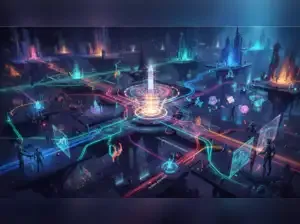
Image Credit: Gemini
Inclusive fitness encourages cooperative behavior in artificial systems
In natural ecosystems, inclusive fitness explains why animals sometimes assist relatives even when such behavior does not provide immediate personal benefits. Helping relatives increases the likelihood that shared genetic material will persist into future generations. Researchers translated this concept into artificial intelligence by modifying the reward functions that guide reinforcement learning. Instead of rewarding only individual achievements, the model also rewarded agents when related or associated agents performed well.The study published in Frontiers in Psychology reported that agents operating under inclusive fitness rules formed cooperative clusters more readily than agents driven purely by individual rewards. These cooperative clusters allowed the artificial systems to solve complex tasks more efficiently. Further research, as described in studies published in Information Sciences and other computational science journals, has also examined similar mechanisms in multi-agent systems. These studies have shown that agents can develop cooperative strategies when reward systems encourage shared outcomes rather than strict competition. Scientists working in this field argue that integrating evolutionary theory into machine learning provides a more realistic model of social interaction. Many natural systems rely on cooperation rather than individual optimization, and similar principles may improve the performance of artificial agents.
Adaptive social links strengthen cooperative partnerships
Another area of research focuses on how artificial agents adjust their relationships with one another over time. Studies analyzing multi-agent networks have found that agents can strengthen or weaken their interactions depending on the outcomes of past cooperation. Research published in Information Sciences examined models where agents dynamically adjust connection strengths, often referred to as link weights. In these models, agents evaluate the reliability and benefits of interactions with other agents and gradually strengthen connections with partners that produce cooperative outcomes.This process resembles patterns observed in animal societies where individuals selectively cooperate with trusted partners. Behavioral ecologists have long observed that animals often prefer interactions with familiar or cooperative individuals rather than engaging randomly with all members of a group. In artificial systems, adaptive linking allows cooperative clusters to emerge naturally. Agents that repeatedly cooperate tend to form stable networks, while exploitative relationships gradually weaken and disappear. Researchers argue that this mechanism improves system stability by allowing cooperative groups to grow while discouraging opportunistic behavior. Such dynamics mirror processes observed in biological social networks where cooperation evolves through repeated interaction.
Individual traits influence group coordination
Research on multi-agent cooperation also examines how individual differences affect collective outcomes. Studies published in computational science journals have shown that agents with varied characteristics often coordinate more effectively when they recognize differences within the group. A study exploring heterogeneous traits in multi-agent systems reported that agents capable of evaluating others' abilities and behaviors could distribute tasks more efficiently. The findings were published in research on cooperative pursuit problems, in which agents must coordinate their actions to achieve shared objectives.In biological systems, animals frequently evaluate the capabilities and relationships of other group members before cooperating. For example, many species distinguish between kin and non-kin or assess the reliability of potential partners. Artificial systems that incorporate trait awareness allow agents to adopt similar strategies. Agents may prioritize cooperation with reliable partners or adjust their actions depending on the strengths of different team members. These models demonstrate how individual variation can enhance group performance when properly integrated into cooperative systems.
Network structure shapes the stability of cooperation
Scientists studying evolutionary game theory have also investigated how the structure of interaction networks influences cooperation among agents. Research published in computational modeling journals has found that heterogeneous networks often sustain cooperation more effectively than uniform systems. In these models, agents interact through complex webs of relationships rather than identical connections with all others. Diverse relationship structures allow cooperative behavior to persist even when some agents attempt to exploit the system.Biologists studying animal social networks have observed similar patterns in natural populations. Many animal groups maintain complex networks of relationships where repeated interactions and long-term associations help stabilize cooperation. Artificial intelligence researchers believe that incorporating these structural dynamics into multi-agent systems can improve resilience in collaborative tasks. Networks that support repeated cooperation tend to discourage short-term defection and promote long-term stability.
Biological insights guide future artificial intelligence design
The integration of inclusive fitness theory into artificial intelligence research illustrates how biological principles can inform computational design. Studies in Frontiers in Psychology and related computational science journals show that cooperation emerges more readily when artificial agents share rewards, adjust their social connections, and recognize differences among group members.These findings highlight the value of interdisciplinary research linking evolutionary biology, behavioral science, and artificial intelligence. Models inspired by natural social systems provide new approaches for designing technologies that require coordinated teamwork among autonomous agents. Future research may extend these frameworks to more complex environments in which agents must balance competition and cooperation. By adapting mechanisms that evolved in natural ecosystems, scientists aim to create artificial systems capable of flexible, stable cooperation within large, dynamic networks.