
India has a very old habit of reinventing ancient foods as new discoveries. Every few years, something that grandmothers in Bihar or Rajasthan have been making for centuries gets rebranded as a superfood, goes viral on Instagram, and suddenly appears in cafes with a dramatic markup. Sattu is doing exactly that right now, except it deserves every bit of the attention. Made from roasted chickpeas, sattu has been a staple food for farmers and laborers in north and east India for over 3,000 years. It is cheap, filling, high in protein, and genuinely good for you. Here is everything you need to know about it.
What Exactly Is Sattu?
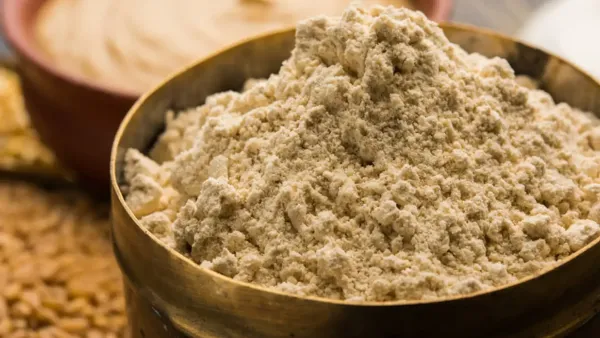
Sattu is a flour made from roasted gram, most commonly roasted Bengal gram or chana. The grain is dry-roasted at high temperature, then ground into a coarse powder. The roasting process is key: it deepens the flavour, improves digestibility, and gives sattu its distinctive earthy, slightly nutty taste.
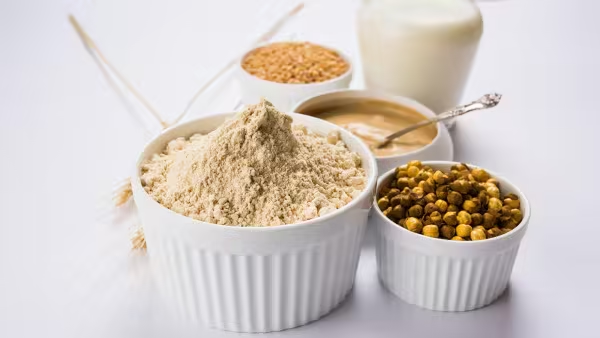
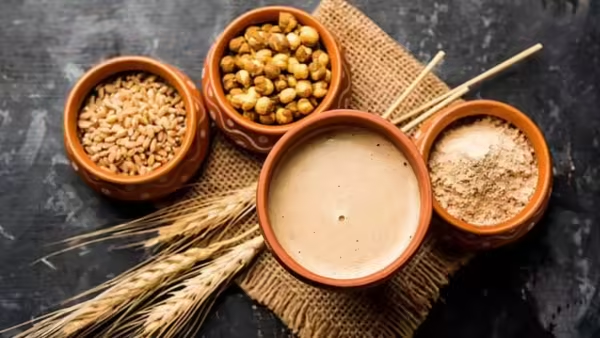
The most common variety is chana sattu, made from roasted chickpeas, which has the highest protein content and is the most widely used. There is also jau ka sattu, made from roasted barley, which has a lower glycemic index and is particularly popular in summer because of its pronounced cooling properties. Multi-grain sattu is also available in the market, combining different grains and pulses to create a more rounded nutritional profile.
Sattu has historically been the food of choice for people doing hard physical work: farmers, construction workers, wrestlers, and long-distance travelers. It is lightweight to carry, requires no cooking, dissolves in water in seconds, and keeps you full for hours. It is, in the most literal sense, the original protein shake. Often called the desi protein shake, sattu is rich in plant-based protein, fibre, and minerals, and is gaining popularity both domestically and internationally.
The Nutrition Numbers
Per 100 grams, sattu (chana variety) provides approximately 26 grams of protein, 60 grams of carbohydrates, 18 grams of dietary fiber, 7 grams of fat, 380 mg of calcium, 270 mg of magnesium, 8.7 mg of iron, and 825 mg of potassium. Total calories: around 413.
To put that protein number in context: most commercial whey protein powders offer 20 to 25 grams of protein per serving. Sattu delivers a comparable amount from a whole food source, at a fraction of the cost, with the added bonus of significant fiber, which most protein supplements completely lack.
Health Benefits Of Sattu
Rich in essential minerals: Sattu contains iron, calcium, and magnesium in meaningful amounts. Iron helps combat fatigue and supports energy levels. Calcium strengthens bones, which makes sattu particularly useful for people who do not consume dairy. Magnesium supports heart function and muscle recovery.
A natural coolant: In regions like Bihar and eastern Uttar Pradesh, sattu is the go-to food on the hottest days of the year. Unlike sugary drinks that cause dehydration, a glass of sattu water hydrates the body and helps regulate body temperature. This is why it is so widely consumed in summer; it has been described as the natural AC of the body, and the description is more than metaphorical.
Supports digestion: Sattu is extremely high in dietary fibre. This helps prevent constipation, reduces bloating, and supports healthy gut bacteria. Drinking sattu first thing in the morning, before other food, is a traditional practice in Bihar specifically because it helps flush out toxins and keeps digestion smooth through the day.
Helps manage weight: The combination of high protein and high fiber means sattu keeps you full for a long time after eating it. For weight loss, sattu is best consumed as a drink mixed with water, lemon, and black salt on an empty stomach. This keeps hunger at bay through the morning and reduces the likelihood of reaching for snacks. For those trying to gain weight or build muscle, sattu mixed with milk, jaggery, and ghee provides a calorie-dense, highly nutritious drink.
Regulates blood sugar: Sattu has a low glycemic index, meaning it releases sugar into the bloodstream slowly rather than causing a spike followed by a crash. This makes it a good option for people managing diabetes and for anyone who wants to avoid the mid-morning energy slump that often follows a high-carb breakfast.
Good for the heart: The fiber content in sattu helps lower bad cholesterol (LDL). Magnesium and potassium, both present in significant amounts, support normal heart rhythm and healthy blood pressure. Including sattu regularly in meals can contribute to better cardiovascular health over time.
Boosts immunity: The combination of iron, magnesium, calcium, and antioxidants in sattu supports immune function and helps the body resist everyday infections. The antioxidants in sattu fight oxidative stress and reduce the risk of cellular damage over time.
Supports muscle recovery: For people who exercise regularly, sattu is an excellent post-workout food. The high protein content helps repair muscle tissue and speeds up recovery. Athletes and fitness enthusiasts in northern India have used sattu as a recovery drink long before protein shakes became mainstream.
Beneficial for skin and hair: The vitamins and minerals in sattu support skin elasticity, hydration, and clarity. Its detoxifying effect on the digestive system often shows up as clearer skin over time. Iron and calcium in sattu also strengthen hair follicles.
Who Should Eat Sattu
Sattu is suitable for almost everyone, from children to the elderly. For children, it provides essential nutrients for healthy growth and a boost of energy without the artificial ingredients found in packaged health drinks. For women, particularly during pregnancy and lactation, sattu provides iron and calcium that are critically needed during those periods. For men, the protein and magnesium combination supports muscle function, energy, and heart health. For older adults, sattu is easy on the stomach, high in calcium for bone strength, and light enough to consume as a drink rather than a heavy meal.
A few precautions: sattu is high in fibre, so starting with very large quantities can cause bloating. Introduce it gradually. People with kidney stones should check with a doctor before consuming sattu regularly, as it contains oxalates. Those with gluten sensitivity can eat regular chana sattu (chickpeas are naturally gluten-free), but should read labels on multi-grain sattu to check for wheat.
Three Sattu Recipes To Try At Home
Namkeen Sattu Sharbat (Salted Sattu Drink)
This is the classic, and the easiest thing you can make with sattu. It takes about five minutes and no cooking whatsoever.
What you need (serves 2):
4 tablespoons sattu powder; 2 cups chilled water; 2 tablespoons fresh lemon juice; 1 tablespoon finely chopped mint leaves; 1 tablespoon finely chopped coriander leaves; 1 green chilli, finely chopped (optional); ½ teaspoon roasted cumin powder; ¼ teaspoon black salt; a few ice cubes.
How to make it: Add the sattu powder, mint, coriander, green chilli, cumin powder, black salt, and lemon juice to a large bowl or jug. Pour in the chilled water and whisk vigorously until completely combined with no lumps. Pour into glasses over ice. Garnish with mint leaves. Stir before every sip, as sattu settles to the bottom.
Pro tips: Use a hand-held wooden churner (madhani) or a small whisk for best results; a spoon tends to leave lumps. Black salt is not optional here: it is what gives this drink its distinctive flavor and it also aids digestion. If you prefer no spice, skip the green chilli but keep everything else. Jaggery can replace sugar in the sweet version for a more wholesome result.
Sweet Sattu Sharbat (Meetha Sattu Drink)
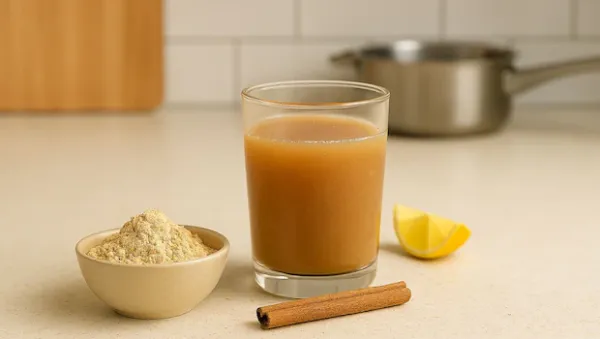
For those who prefer something sweet over savoury, this version uses sugar or jaggery and is particularly good for children.
What you need (serves 2):
4 tablespoons sattu powder; 2 cups chilled water; 2 tablespoons sugar or 1.5 tablespoons jaggery powder; 2 tablespoons lemon juice; a pinch of black salt; a pinch of cardamom powder (optional); ice cubes.
How to make it: Combine sattu, sugar or jaggery, lemon juice, black salt, and cardamom in a bowl. Add the chilled water and whisk until smooth. Pour into glasses over ice. Stir before drinking.
Pro tips: Jaggery gives a deeper, more complex sweetness than sugar and also adds iron. A small pinch of cardamom transforms this from a simple drink into something that tastes more deliberate and special. Serve immediately: sweet sattu sharbat tends to thicken if it sits too long.
Sattu Paratha
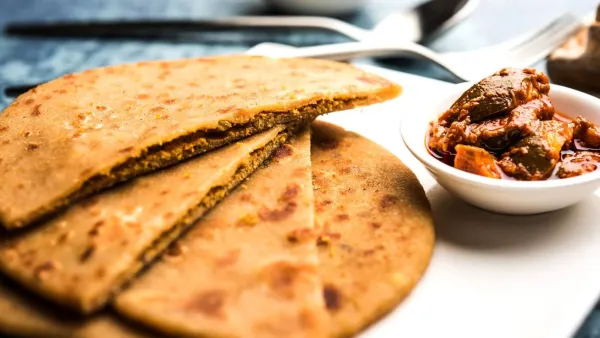
This is the most filling and satisfying of the three recipes, and one of the most popular breakfasts in Bihar and Jharkhand. A properly made sattu paratha keeps you full until well past lunch.
What you need (makes 4 to 6 parathas):
For the dough: 2 cups whole wheat flour; water as required; a pinch of salt; 1 teaspoon oil.
For the filling: 1 cup sattu powder; 1 small onion, finely chopped; 2 green chillies, finely chopped; 1 tablespoon fresh coriander, chopped; 1 teaspoon ajwain (carom seeds); ½ teaspoon kalonji (nigella seeds); 1 tablespoon mustard oil or regular oil; 1 teaspoon lemon juice; salt to taste; a pinch of hing (asafoetida).
How to make it: Knead the whole wheat flour with water, salt, and oil into a soft, smooth dough. Cover and rest for 15 to 20 minutes. While the dough rests, mix all the filling ingredients together in a bowl. Add a very small amount of water if needed to bring the filling together, but keep it crumbly rather than wet: a wet filling will make the paratha soggy and difficult to roll. Divide the dough into equal balls. Flatten each ball, place a generous spoonful of filling in the centre, bring the edges together, and seal tightly. Flatten gently and roll out carefully into a round paratha. Cook on a hot tawa on medium heat, applying oil or ghee on both sides, until golden brown spots appear and the paratha is fully cooked through.
Pro tips: Mustard oil in the filling is traditional and gives the sattu paratha its characteristic sharp, pungent aroma. If you find mustard oil too strong, regular refined oil works, but you will lose some of the authenticity. The filling must be dry and crumbly: if it is wet, the paratha will burst while rolling. Serve with thick curd, achaar, and a raw onion on the side. This is how it is eaten in Bihar, and that combination is genuinely very good.
Old Food, New Obsession
Sattu does not need a rebrand or a trendy packaging makeover. It has been fueling the hardest-working people in this country for thousands of years, quietly and effectively, without ever asking for credit. The fitness industry discovered what grandmothers across Bihar have always known: that a good source of plant-based protein, fibre, and minerals, available for a few rupees a kilogram, beats any imported supplement in both nutritional density and value. Add two tablespoons to a glass of water with lemon and black salt tomorrow morning. The rest tends to follow on its own.
-
Delhi KMC Non-Teaching Recruitment 2026: Apply for 57 Vacancies

-
Azerbaijan: Nakhchivan Airport blasted by 'Iran drone' as Baku threatens to hit back

-
Middle East flights: Dubai flights update for Emirates, Etihad, Flydubai

-
Andhra to give financial incentive for third child to boost population growth

-
Kerala Guv removes Sanskrit University Vice Chancellor Geethakumary
