
Most Asian assets sank toward their heaviest weekly loss since the pandemic on Friday, as Middle East conflict-driven oil shocks forced investors to unwind one of this year's strongest emerging-market trades.
MSCI's EM index is 6.5% lower this week and an MSCI index of EM currencies has shed 1.4% - the sharpest weekly drops since March 2020. U.S. and Israeli strikes that killed Iran's supreme leader and all but shut the Strait of Hormuz have choked global oil supply and accelerated the flight to safety.
As the war escalated on Thursday, US President Donald Trump said the United States should share in determining Iran's next leader. Meanwhile, joint US-Israeli strikes pounded targets across the country and fresh bombardment struck Gulf cities.
Selling has been most severe in Latin America, but Asian markets also logged steep losses. South Korea's Kospi reversed earlier losses to trade flat on the day. It was headed for a 10.6% weekly drop. Thailand's SET eased 0.5% and remained on course for an almost 8% weekly fall. Indonesian shares lost more than 2% and faced their steepest weekly drop since 2020. South Korea and Thailand had each tripped circuit breakers earlier in the week after losses topped 8% in a single session.
The dollar index was eyeing a 1.4% weekly rise, while Brent has jumped more than 15% since the conflict began. A broad risk-off wave defined the week, driven by rising inflation concerns, worsening external balances and a repricing of rate-cut bets in net importers like Thailand, South Korea, India and the Philippines. Elias Hilmer, markets economist at Capital Economics, said the size of the sell-off partly reflected how sharply emerging market assets had rallied over the past year, leaving valuations stretched and vulnerable even before the conflict began.
Markets, which had posted the strongest gains - notably Korea, Taiwan and South Africa, have been hit hardest as higher energy prices and the unwinding of speculative froth pulled them lower, he added. In China, officials struck a cautious tone at the National People's Congress, maintaining modest growth goals and a steady fiscal stance. China's yuan, up 0.2% on the day, looked set to snap a 13-week winning streak to post its worst week since February 2025.
The won fell more than 2% on the week despite firming 0.88% on Friday. The baht traded flat, the ringgit gained 0.2% and the Philippine peso added 0.22%. The Singapore dollar rose 0.23%. Indonesia also faced pressure from recent outlook downgrades by Moody's and Fitch, adding to concerns over policy credibility.
-
Celta Vigo vs Real Madrid Live Streaming: When And Where To Watch La Liga In India?

-
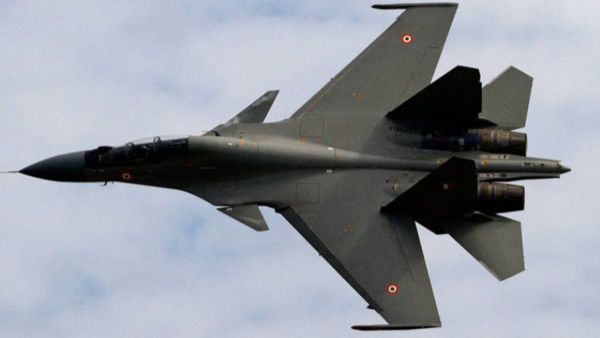
'Always Tried Not to Make Mistakes': IAF Pilot's Father After Su-30 Crash in Karbi Anglong of Assam
-
Trisha Drops 1st Post Amid Thalapathy Vijay's Divorce, Expresses Gratitude

-
From Uniform to Politics, Women Shape the Conversation at Republic Summit

-
Manchester United To Raise Ticket Prices And Move Fans To Create More 'Hospitality' Seats At Old Trafford