New Delhi: India is entering FY27 with a strong macroeconomic backdrop, unlike during previous periods of turbulence in the Gulf region, the finance ministry said on Friday, cautioning that a drawn-out conflict could have implications for the economy.
In its monthly economic review for February, the ministry said the economy is supported by solid growth, moderate inflation, healthy credit expansion, a controlled fiscal deficit and stable external sector conditions.
However, the report cautioned that a prolonged crisis could have material implications for the exchange rate and the current account deficit, while also fuelling inflationary pressures. "Subdued capital flows, accentuated by a flight to safety, could put pressure on the currency. Some sectors dependent on LNG and crude, like fertilisers and petrochemicals, could be affected if the crisis is prolonged," the report noted.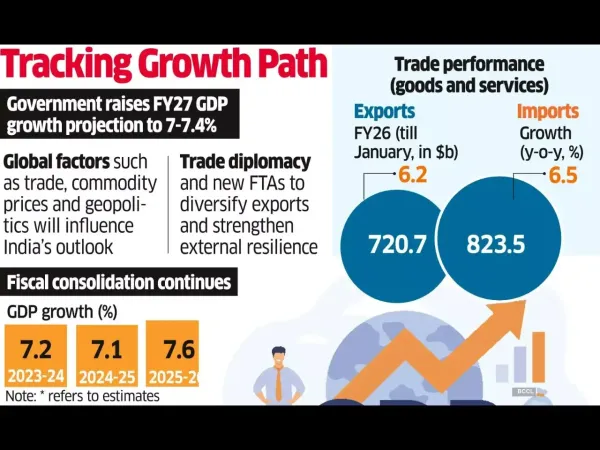
Crude prices have rallied sharply as the conflict has stalled supplies from West Asia, roiling markets across the region that is heavily dependent on imports to meet energy needs.
International benchmark Brent crude shot past $90/barrel on Friday, marking an astonishing reversal from about $55/barrel in mid-December.
Despite high dependence on crude oil imports, the country has sufficient foreign exchange reserves, a low current account deficit (CAD), which stood at 0.8% of GDP in H1FY26, and low inflation rates, which provide a cushion and help safeguard domestic energy security, the ministry said in the review.
Strong macroeconomic fundamentals and sustained reform momentum, it added, position the economy well for expansion.
However, it noted that external developments, including global growth conditions, trade dynamics, commodity price movements and geopolitical factors, will continue to shape the outlook.
The government had raised FY27 real gross domestic product (GDP) growth projections to 7-7.4% from 6.8-7.2% estimated in the economic survey. The Indian economy is likely to grow 7.6% in FY26, according to second advance estimates released last month.
The ministry said that due to the depreciation of the rupee in FY26 and a decline in nominal GDP to Rs 345.5 lakh crore from Rs 357.1 lakh crore, India may likely become the world's fourth-largest economy in FY28.
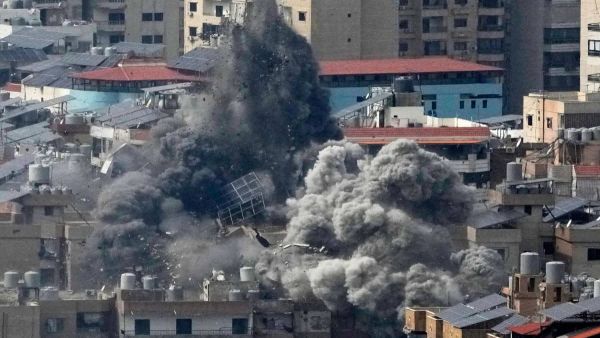
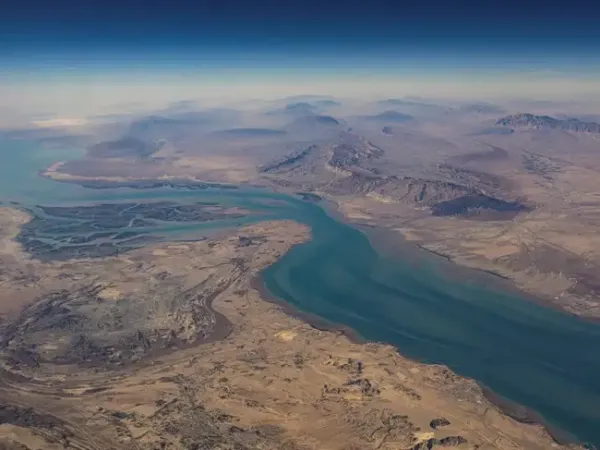
The US and Israel launched an attack on Iran on February 28, prompting retaliatory threats and disrupting shipping through the Strait of Hormuz, the world's most critical oil route handling 20% of global oil flows. Around half of India's oil imports pass through this route.
The ministry also highlighted stability in the external sector despite global trade uncertainty.
It said India's active trade diplomacy, including progress on the India-European Union free trade agreement (FTA), the India-US Interim Trade Arrangement and the India-Oman Comprehensive Economic Partnership Agreement, along with budget initiatives to improve trade facilitation, logistics efficiency and export competitiveness, will help diversify export markets and strengthen external resilience over the medium term.
Looking ahead, the policy framework outlined in the FY27 budget provides a strong anchor for sustaining investment-led, employment-oriented and inclusive growth, it said.
Fiscal policy
Fiscal policy continues on a consolidation path while maintaining the quality of expenditure, the report said.
Capital expenditure grew 11.2% during FY26 (till January), while the fiscal deficit stood at 63% of the revised estimate compared with 74.5% last year. Building on this progress, the FY27 budget continues the fiscal consolidation trajectory while sustaining capital spending to support infrastructure-led growth and macroeconomic credibility.
The recommendations of the 16th Finance Commission further reinforce this approach by emphasising responsible federalism, fiscal self-reliance and improved expenditure efficiency at the state level, it added.
In its monthly economic review for February, the ministry said the economy is supported by solid growth, moderate inflation, healthy credit expansion, a controlled fiscal deficit and stable external sector conditions.
However, the report cautioned that a prolonged crisis could have material implications for the exchange rate and the current account deficit, while also fuelling inflationary pressures. "Subdued capital flows, accentuated by a flight to safety, could put pressure on the currency. Some sectors dependent on LNG and crude, like fertilisers and petrochemicals, could be affected if the crisis is prolonged," the report noted.
Ministry report warns prolonged West Asia crisis may hit rupee, CAD and stoke inflation
Crude prices have rallied sharply as the conflict has stalled supplies from West Asia, roiling markets across the region that is heavily dependent on imports to meet energy needs.
International benchmark Brent crude shot past $90/barrel on Friday, marking an astonishing reversal from about $55/barrel in mid-December.
Despite high dependence on crude oil imports, the country has sufficient foreign exchange reserves, a low current account deficit (CAD), which stood at 0.8% of GDP in H1FY26, and low inflation rates, which provide a cushion and help safeguard domestic energy security, the ministry said in the review.
Strong macroeconomic fundamentals and sustained reform momentum, it added, position the economy well for expansion.
However, it noted that external developments, including global growth conditions, trade dynamics, commodity price movements and geopolitical factors, will continue to shape the outlook.
The government had raised FY27 real gross domestic product (GDP) growth projections to 7-7.4% from 6.8-7.2% estimated in the economic survey. The Indian economy is likely to grow 7.6% in FY26, according to second advance estimates released last month.
The ministry said that due to the depreciation of the rupee in FY26 and a decline in nominal GDP to Rs 345.5 lakh crore from Rs 357.1 lakh crore, India may likely become the world's fourth-largest economy in FY28.
The US and Israel launched an attack on Iran on February 28, prompting retaliatory threats and disrupting shipping through the Strait of Hormuz, the world's most critical oil route handling 20% of global oil flows. Around half of India's oil imports pass through this route.
The ministry also highlighted stability in the external sector despite global trade uncertainty.
It said India's active trade diplomacy, including progress on the India-European Union free trade agreement (FTA), the India-US Interim Trade Arrangement and the India-Oman Comprehensive Economic Partnership Agreement, along with budget initiatives to improve trade facilitation, logistics efficiency and export competitiveness, will help diversify export markets and strengthen external resilience over the medium term.
Looking ahead, the policy framework outlined in the FY27 budget provides a strong anchor for sustaining investment-led, employment-oriented and inclusive growth, it said.
Fiscal policy
Fiscal policy continues on a consolidation path while maintaining the quality of expenditure, the report said.
Capital expenditure grew 11.2% during FY26 (till January), while the fiscal deficit stood at 63% of the revised estimate compared with 74.5% last year. Building on this progress, the FY27 budget continues the fiscal consolidation trajectory while sustaining capital spending to support infrastructure-led growth and macroeconomic credibility.
The recommendations of the 16th Finance Commission further reinforce this approach by emphasising responsible federalism, fiscal self-reliance and improved expenditure efficiency at the state level, it added.