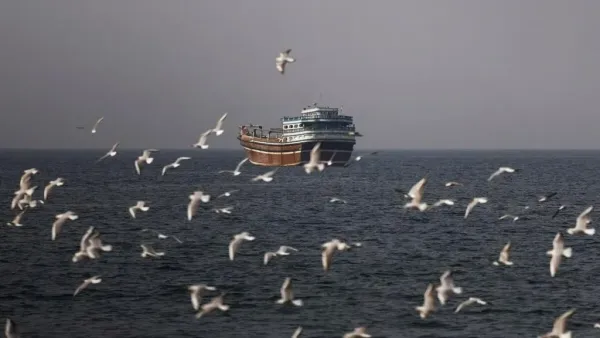
Japan is considering an emergency oil reserve release after around 14 million barrels of crude meant for the country became stuck in the Middle East Gulf. The shipments cannot move because there are currently no oil flows through the Strait of Hormuz.
The situation has raised concern among Japanese refiners. Companies fear possible supply shortages if the disruption continues.
Government officials are now reviewing options to stabilize the country’s energy supply.
Strait of Hormuz disruption traps oil shipments for Japan
About 14 million barrels of crude oil that were supposed to reach Japan are currently stranded inside the Gulf. These shipments cannot leave the region without passing through the Strait of Hormuz.
This narrow waterway is one of the world’s most important oil routes. A large share of global crude shipments normally passes through it every day.
With flows disrupted, tankers carrying oil for Japan are unable to move toward Asian markets. This has created anxiety among refiners who rely heavily on Middle Eastern crude.
Japan imports most of its oil from the Gulf region. Any interruption in this supply chain can quickly affect fuel availability and prices.
Japan explores strategic petroleum reserve release and alternative routes
In response to the situation, the Japanese government is weighing a unilateral release from its Strategic Petroleum Reserve. Such a move could help ease pressure on domestic fuel supplies if imports remain blocked.
Officials are also looking at alternative shipping routes to bypass the Strait of Hormuz.
Two possible loading locations are being discussed. One option involves the Saudi Arabian port of Yanbu on the Red Sea. Another option is Fujairah in the United Arab Emirates, which sits outside the Strait of Hormuz.
Both locations could allow crude shipments to avoid the blocked passage and reach global markets.
For now the government is studying the logistics and timing of these alternatives. Energy officials are also monitoring developments in the Middle East closely as the disruption continues to affect global oil trade.
-
Watch: NZ Captain Mitchell Santner's Cold Warning To India Ahead Of T20 WC Final

-
IND vs NZ Final: Five Reasons Why India Might Lose World Cup To New Zealand In Ahmedabad

-
Happy Women's Day 2026 Wishes: Heartfelt Messages And Meaningful Quotes To Celebrate The Women In Your Life

-
Bengal Govt Announces Rs 1,500 Aid For Unemployed Class 10 Pass Youth Ahead Of Polls

-
‘Voter Deletions Meant To Divide Bengal’: Mamata Banerjee Targets EC Over Electoral Rolls