
Listen to this article in summarized format
Loading...
××
Subscribe to

Unlock AI Briefing and Premium Content
New Year Offer 24 Hours Left
Subscribe NowAlready a member? Sign In
What's Included
- Exclusive Stories
- Daily ePaper Access
- Smart Market Tools
- Curated Investment Ideas
- Ad-lite Experience
Subscription

The tradition of sharing a Quote of the day often brings timeless wisdom from influential thinkers into everyday conversations. Philosophers, spiritual teachers, and writers have long explored the connection between human thoughts and lived experiences, offering perspectives that encourage reflection and self-awareness.
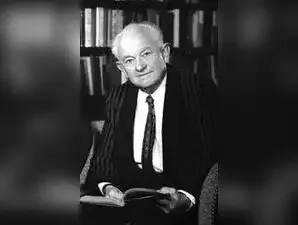
One such influential thinker was Ernest Holmes, a prominent figure in the early 20th-century New Thought movement. Holmes dedicated his life to exploring the relationship between the human mind, spiritual awareness, and the shaping of reality.
His teachings emphasized the idea that thoughts influence outcomes, a philosophy that continues to inspire readers seeking guidance on positive thinking and personal transformation. Today’s Quote of the day highlights that core principle, urging individuals to examine the role their own thinking plays in shaping the world they experience.
“Life is a mirror and will reflect back to the thinker what he thinks into it.”
The statement captures a key theme of Holmes’ philosophy: the belief that the external world often reflects the internal mindset of an individual. According to this idea, attitudes, beliefs, and expectations shape how people perceive situations and interact with others.
The metaphor of life as a mirror suggests that the thoughts individuals project outward can influence what they experience in return. For Holmes and many other thinkers associated with the New Thought movement, cultivating constructive and positive thoughts was therefore essential to achieving a more fulfilling life.
When people approach life with confidence, optimism, and openness, they are more likely to see opportunities and positive outcomes. Conversely, persistent negativity or fear may limit perception and decision-making, often reinforcing challenges.
Holmes argued that self-awareness is crucial in this process. Recognizing how thoughts influence actions and reactions can empower individuals to adopt a more intentional mindset.
In modern discussions about psychology and motivation, this principle often appears in ideas such as positive thinking, self-belief, and cognitive reframing. While interpretations vary, the central message remains clear: changing one’s thinking can change one’s experience of life.
Born on January 21, 1887, near Lincoln, Maine, Holmes grew up in a modest farming family as the youngest of nine sons. His parents encouraged curiosity and independent thinking, and discussions about religion and philosophy were common in the household.
Even as a child, Holmes reportedly questioned traditional religious teachings and sought deeper answers about the nature of existence. His inquisitive nature earned him the nickname “the eternal question mark,” as he frequently challenged accepted ideas and searched for broader understanding.
At the age of 18, Holmes left home and moved to Boston, where he began exploring philosophical and spiritual writings. During this period he encountered the works of influential thinkers such as Ralph Waldo Emerson, whose ideas about individual spirituality and self-reliance left a lasting impression on him.
Holmes also studied the teachings of Thomas Troward and Emma Curtis Hopkins, both of whom played significant roles in shaping the New Thought movement.
In his mid-twenties Holmes relocated to California, where he began lecturing on metaphysics and spiritual philosophy. His talks attracted growing audiences, and he eventually became an ordained minister in the Divine Science tradition.
The work became the foundational text for what later evolved into the Religious Science movement. Through this philosophy, Holmes attempted to combine elements of science, philosophy, and religion into a practical system for personal development.
In 1927 he founded Science of Mind Magazine, a publication that continues to circulate internationally and promote ideas related to spiritual awareness and positive living.
Holmes described his philosophy as a “correlation of laws of science, opinions of philosophy, and revelations of religion applied to human needs and aspirations.” The goal, he believed, was to help individuals understand their connection to a universal intelligence or spiritual presence.
His teachings emphasized two central principles: Love and Law. Love represented the creative and giving nature of the universe, while Law referred to the universal principle through which thoughts and beliefs manifest into experiences.
One of his notable reflections states:
“We have within us a power that is greater than anything we shall ever contact in the outer.”
Such ideas influenced many figures associated with the broader movement of positive thinking. Holmes’ philosophy helped shape the intellectual environment that later inspired motivational writers and speakers, including figures like Norman Vincent Peale.
Throughout his career, Holmes delivered lectures to thousands of listeners and trained spiritual practitioners through the Institute of Religious Science and School of Philosophy in Los Angeles.
Despite his growing influence, Holmes reportedly did not intend to establish a formal religion. Instead, he saw his work as a synthesis of philosophical and spiritual ideas aimed at encouraging people to think more deeply about their lives.
Holmes died in 1959, leaving behind a legacy that continues to be studied in spiritual and philosophical circles around the world.
One such influential thinker was Ernest Holmes, a prominent figure in the early 20th-century New Thought movement. Holmes dedicated his life to exploring the relationship between the human mind, spiritual awareness, and the shaping of reality.
His teachings emphasized the idea that thoughts influence outcomes, a philosophy that continues to inspire readers seeking guidance on positive thinking and personal transformation. Today’s Quote of the day highlights that core principle, urging individuals to examine the role their own thinking plays in shaping the world they experience.
Quote of the day today
The Quote of the day today comes from Ernest Holmes:“Life is a mirror and will reflect back to the thinker what he thinks into it.”
The statement captures a key theme of Holmes’ philosophy: the belief that the external world often reflects the internal mindset of an individual. According to this idea, attitudes, beliefs, and expectations shape how people perceive situations and interact with others.
The metaphor of life as a mirror suggests that the thoughts individuals project outward can influence what they experience in return. For Holmes and many other thinkers associated with the New Thought movement, cultivating constructive and positive thoughts was therefore essential to achieving a more fulfilling life.
Quote of the day meaning
The Quote of the day meaning lies in the concept of mental cause and effect. Holmes believed that thoughts are not passive or insignificant; rather, they play an active role in shaping personal reality.When people approach life with confidence, optimism, and openness, they are more likely to see opportunities and positive outcomes. Conversely, persistent negativity or fear may limit perception and decision-making, often reinforcing challenges.
Holmes argued that self-awareness is crucial in this process. Recognizing how thoughts influence actions and reactions can empower individuals to adopt a more intentional mindset.
In modern discussions about psychology and motivation, this principle often appears in ideas such as positive thinking, self-belief, and cognitive reframing. While interpretations vary, the central message remains clear: changing one’s thinking can change one’s experience of life.
Quote of the day by Ernest Holmes
The Quote of the day by Ernest Holmes reflects the broader philosophy he developed throughout his life and teaching career. Holmes was widely regarded as a pioneer in exploring the relationship between spirituality, philosophy, and the human mind.Born on January 21, 1887, near Lincoln, Maine, Holmes grew up in a modest farming family as the youngest of nine sons. His parents encouraged curiosity and independent thinking, and discussions about religion and philosophy were common in the household.
Even as a child, Holmes reportedly questioned traditional religious teachings and sought deeper answers about the nature of existence. His inquisitive nature earned him the nickname “the eternal question mark,” as he frequently challenged accepted ideas and searched for broader understanding.
At the age of 18, Holmes left home and moved to Boston, where he began exploring philosophical and spiritual writings. During this period he encountered the works of influential thinkers such as Ralph Waldo Emerson, whose ideas about individual spirituality and self-reliance left a lasting impression on him.
Holmes also studied the teachings of Thomas Troward and Emma Curtis Hopkins, both of whom played significant roles in shaping the New Thought movement.
In his mid-twenties Holmes relocated to California, where he began lecturing on metaphysics and spiritual philosophy. His talks attracted growing audiences, and he eventually became an ordained minister in the Divine Science tradition.
Quote of the Day: The Science of Mind and Religious Science
Holmes’ most influential contribution came in 1926 with the publication of The Science of Mind, a book that outlined his philosophy about the power of consciousness and the role of thought in shaping human experience.The work became the foundational text for what later evolved into the Religious Science movement. Through this philosophy, Holmes attempted to combine elements of science, philosophy, and religion into a practical system for personal development.
In 1927 he founded Science of Mind Magazine, a publication that continues to circulate internationally and promote ideas related to spiritual awareness and positive living.
Holmes described his philosophy as a “correlation of laws of science, opinions of philosophy, and revelations of religion applied to human needs and aspirations.” The goal, he believed, was to help individuals understand their connection to a universal intelligence or spiritual presence.
His teachings emphasized two central principles: Love and Law. Love represented the creative and giving nature of the universe, while Law referred to the universal principle through which thoughts and beliefs manifest into experiences.
Ernest Holmes quotes
Many Ernest Holmes quotes revolve around the power of thought, self-belief, and the transformative potential of spiritual awareness. His writings frequently encouraged readers to recognize the inner power within themselves.One of his notable reflections states:
“We have within us a power that is greater than anything we shall ever contact in the outer.”
Such ideas influenced many figures associated with the broader movement of positive thinking. Holmes’ philosophy helped shape the intellectual environment that later inspired motivational writers and speakers, including figures like Norman Vincent Peale.
Throughout his career, Holmes delivered lectures to thousands of listeners and trained spiritual practitioners through the Institute of Religious Science and School of Philosophy in Los Angeles.
Despite his growing influence, Holmes reportedly did not intend to establish a formal religion. Instead, he saw his work as a synthesis of philosophical and spiritual ideas aimed at encouraging people to think more deeply about their lives.
Holmes died in 1959, leaving behind a legacy that continues to be studied in spiritual and philosophical circles around the world.