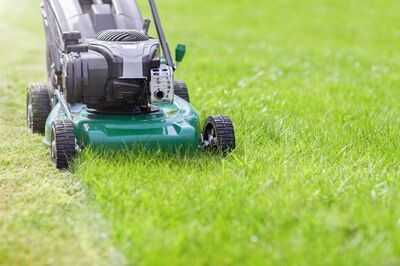
The lawnmower symphony is firing up across the UK this weekend as gardeners up and down the country get out into the sunshine that's finally come back and get their lawns and flowerbeds in order for the spring season ahead.
But some wildlife experts have urged gardeners not to. In fact, according to the Royal Society for the Protection of Birds, the best thing you can do for your garden, and the things living in it, is not to cut the lawn at all until July.
According to the RSPB's guidance, mowing the lawn less often, or even not mowing the lawn at all, is the best thing to do for the wildlife in your garden.
It says: "Mowing your lawn less saves you time and makes a big difference to the wildlife in your garden. Create a mini jungle for beetles and other small creatures to wander and where sparrows and goldfinches can come to feed on the seeds.
"The grasses will set seed, wildflowers can bloom and provide nectar, and the longer stems will create a sheltered microclimate. Avoid using strimmers too, as they can injure hedgehogs, frogs and insect larvae. If you can resist mowing your lawn until late summer, this will mimic the hay meadows of old.
"If you want to have a bigger impact for wildlife, don't mow your lawn at all until early July. Then mow as normal until the grass stops growing in late autumn. This is the kind of meadow where you can plant spring-flowering bulbs like crocus and early daffodils. As they die back you could have cowslips coming through along with bulbs such as snakes head fritillary."
For those who can't resist cutting through their lawn, it's still beneficial to make fewer cuts.
It adds: "Mow your lawn once in late March or early April and then leave it until August or September before mowing once or twice until the end of the autumn growing season. This will mimic the old hay meadows and will suit flowers like Corn Marigold and Bird's-foot-trefoil. Letting your grass grow until late summer provides shelter and delights for your garden critters."
This advice ties into No Mow May, a campaign which has gathered momentum in the last few years and urges everyone, even those with very small garden of grass, to leave their lawns unmown in May in a bid to help pollinators, like bees, wasps, butterflies and even moths and flies, survive in increasingly threatened conditions.
This is crucial because if pollinators die out, nothing will ever grow again, pushing the entire human species into extinction.
Plantlife says about No Mow May: "No Mow May is Plantlife's annual campaign urging everyone to pack away the lawnmower, let wildflowers grow freely and help nature. Whether you're in a city, town or the countryside, it's super easy to take part.
"No lawn is too small! Even the smallest wild patch can provide vital food needed by bees and butterflies, connecting us with nature and giving nature the best start to summer.
"Approximately 97% of flower-rich meadows have been lost since the 1930s, and with them, vital food and habitat needed by wildlife.
"But your garden can help! A healthy lawn with some longer grass and wildflowers helps to tackle pollution, benefits wildlife and can even lock away carbon below the ground. There are more than 20 million gardens in the UK, so even the smallest grassy patches can add up and deliver enormous gains for nature, people and the climate."
-
IND Vs NZ ICC T20 WC26 Final: Mitchell Santner Clicks Ahmedabad Pitch Photos, Fans Recall Pat Cummins' 2023 World Cup Moment

-
The Shocking Tale of a Con Bride: Eight Marriages and a Hidden Illness
-
Exciting MTB Chamba Cross Country Cycling Race Set for March 2026
-
Himachal Pradesh Board Shifts Exam Centre for Smooth Conduct

-
Himachal Pradesh Implements Exam Mitra App for Enhanced Examination Integrity