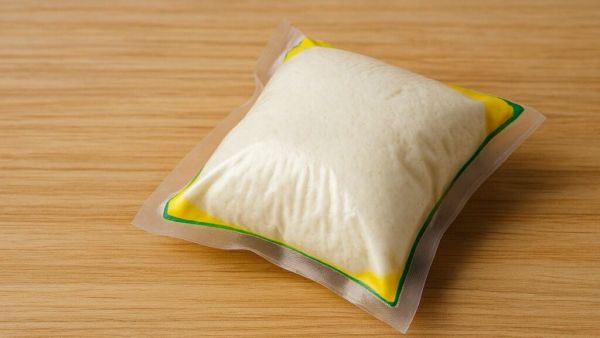
If you’ve ever opened your fridge and found a paneer packet looking oddly puffed, you’re not alone. A recent Milky Mist incident brought this everyday mystery back into conversation after a doctor shared photos of two packets that ballooned despite being within their expiry dates and properly refrigerated. Her post quickly drew comments from shoppers who had seen the same thing, sparking fresh curiosity about why paneer swells while other dairy products sit quietly on the shelf.
Milky Mist later said the batch in question had passed internal quality checks, noting that more than 6,000 kg of paneer from the same lot hadn’t drawn other complaints. The company also explained that its products are made and transported under strict refrigeration, adding that swelling can sometimes happen if storage conditions are disrupted somewhere along the way – not necessarily at the manufacturing stage.
So, with the incident resurfacing a question many consumers have asked at some point, it’s worth understanding: why do paneer packets puff up in the first place?
Photo Credit: iStock
Common Factors That Lead To Swollen Paneer Packets
Paneer is a fresh dairy product with high moisture and very few preservatives, which makes it far more sensitive to temperature changes and handling than most packaged foods.
1. Microbial activity inside the packet
This is the most common cause. Spoilage bacteria can multiply if the paneer is exposed to even brief periods of warmth. As they grow, they release gases that get trapped within the sealed pack, causing it to expand. Food safety experts and several users reacting to the recent incident confirmed that puffing is a classic sign of early spoilage.
2. Breaks in the cold chain
Paneer must remain constantly refrigerated. Even short lapses, such as warm delivery vans, faulty retail refrigeration or extended stacking outside chillers, can accelerate bacterial growth. In the recent case, the customer reported refrigerating the paneer within fifteen minutes, but the cold chain before purchase remains unknown.
3. Natural fermentation
Paneer contains small amounts of lactose. Under the right conditions, bacteria can ferment this lactose, producing gases that lead to swelling. This process can occur even when the paneer still appears fresh from the outside.
4. Minor packaging imperfections
Sometimes tiny leaks or weak seals, invisible to the consumer, can let bacteria enter while still trapping gases inside, causing the packet to puff. Brands often retain control samples for testing, as seen in the recent incident, and these usually remain normal, suggesting the issue may occur later during distribution or retail storage.
However, whether you buy paneer from a big brand or a neighborhood store, puffing isn’t the only concern consumers face. With frequent reports of adulteration and inconsistent storage practices across the supply chain, it helps to know how to check the quality of paneer at home before using it.
How To Check Paneer Quality At Home
Paneer is easy to test at home, and a few simple checks can help ensure that the product you consume is fresh and safe.
- Check the packet carefully: If the packet appears swollen, bulging or unusually tight, it is best not to consume the product. Puffing is one of the clearest signs of microbial activity.
- Smell the paneer: Fresh paneer smells neutral and clean. Any sour, acidic or yeasty odor is an immediate indicator of spoilage.
- Test the texture: Paneer should be soft yet firm. A rubbery or excessively bouncy texture may point to added starch or poor quality.
- Try the iodine test for starch: Place a drop of iodine on a small piece of paneer. If it turns blue or black, it indicates the presence of starch, which suggests adulteration.
- Warm water test: Place a cube of paneer in warm water for ten to fifteen minutes. Fresh paneer softens naturally, while adulterated or stale paneer may crumble or shed residue.
With a few easy checks, you can make sure your paneer is as fresh and wholesome as it’s meant to be.
-
India Brings Back Over 52,000 Citizens From Gulf Amid Regional Tensions

-
Cricket Fever Sends Ahmedabad Airfares Soaring: Almost 250% Jump Ahead Of T20 World Cup Final

-
Tax-free Personal Allowance will rise to £20,070 thanks to HMRC rules

-
Liam Rosenior makes nine Chelsea changes vs Wrexham as Cole Palmer and Joao Pedro decisions made

-
Chelsea encouraged to make surprise swoop for Man City star after transfer confession