
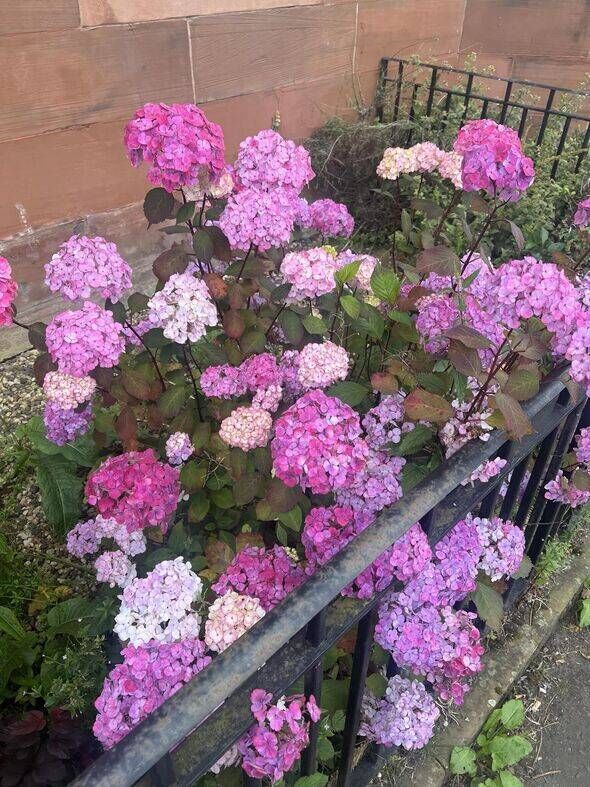
Hydrangeas are incredibly popular thanks to their large, colourful flowers that add a burst of colour to gardens in summer and often last well into autumn. However, many gardeners are unsure whether they should be pruning their hydrangeas in early spring or simply removing the faded flower heads.
While hydrangeas are fairly low-maintenance shrubs, which can thrive in challenging locations, including shaded areas, you can ruin their flower yield by pruning and deadheading at the wrong time of year. I have four hydrangea shrubs in my garden, planted primarily because they are one of the few species that can withstand the shade they receive. But it's only been in the last two summers that I've successfully produced a burst of blooms - entirely down to the timing of my spring deadheading, using advice I learned from the experts.
Both Monty Don and Alan Titchmarsh have straightforward guidance to help gardeners keep hydrangeas full of flowers. Their advice centres on understanding the difference between deadheading and pruning, which are often confused but involve very different techniques.
Deadheading simply means removing the old, faded flower heads once they have finished blooming.
According to guidance shared through Gardeners' World, Monty Don recommends cutting the old flower head just above the top pair of healthy buds beneath the bloom. This removes the dried flower while leaving the stem intact so it can still produce growth and flowers.
Many gardeners leave the dried flower heads on the plant through winter because they can help protect developing buds from frost and also add interest to the garden. In spring, the faded blooms can then be removed as part of a light tidy.
In previous years, I would remove all the spent blooms during winter, eager to tidy the garden before spring's arrival.
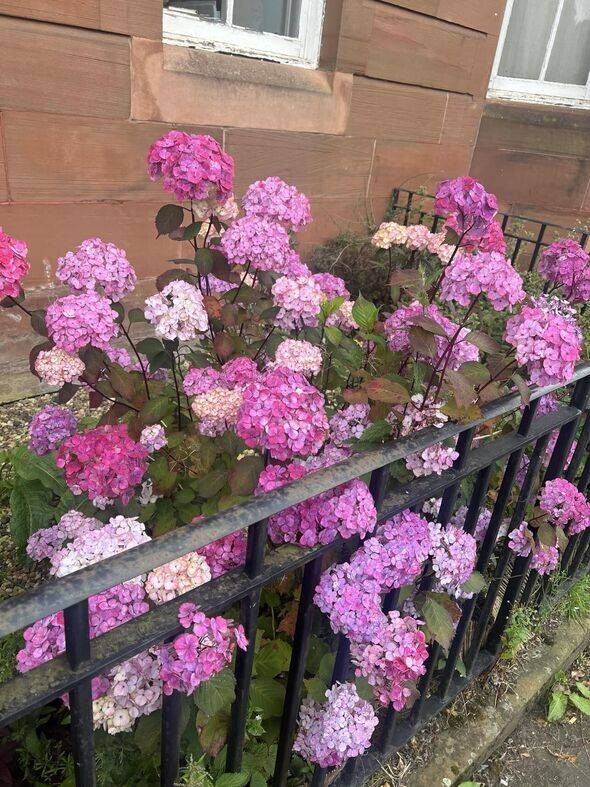
Following a season of experimentation, I opted to prune and deadhead my hydrangeas in spring immediately after the final frost towards the end of March.
In his March gardening tasks blog post, Monty explains that gardeners should cut the old flower head "just above the top pair of buds beneath the bloom".
Alan Titchmarsh also advised gardeners to remove spent hydrangea blooms once they deteriorate, helping the plant look neater while allowing energy to go into healthy growth.
Pruning is a more significant process that involves cutting stems further back to control the shape, size or health of the plant.
Both Monty and Alan regularly highlight that pruning hydrangeas should be done carefully because different types of hydrangea flower at different times.
Many common garden varieties, particularly mophead hydrangeas (Hydrangea macrophylla), flower on old wood, meaning the buds that will produce this year's flowers were formed on stems during the previous summer.
If these stems are cut back too hard in spring, gardeners may accidentally remove the buds that would have produced flowers later in the season. I was inadvertently removing that approaching summer's flowers.
Instead, pruning for these hydrangeas is usually limited to removing dead, damaged or weak stems in early spring plus the faded flowers. Strong pruning, if needed to reshape the plant, is best carried out after flowering in late summer.
I soon discovered that the optimal time to deadhead my hydrangeas is in late March, just after the last frost, as the plant is emerging from dormancy. At this stage, any wood damaged by winter can be trimmed away without risking the loss of healthy flower buds, ensuring a vibrant display of blooms in the summer.
-
ICAI To Declare CA Foundation And Intermediate Jan 2026 Results Tomorrow: Here's How To Check Your Scorecard Via Website Or SMS

-
Thalapathy Vijay Publicly Addresses Divorce With Sangeetha Sornalingam For First Time, Says 'These Issues Are Not Worth Time'

-
US-Iran-Israel War: ‘Trump’s Week-Long Misadventure Already Cost US Military $100 Billion,’ Says Iranian FM Abbas Araghchi

-
Dabur and other Indian companies in West Asia build support units for staff battling uncertainty

-
Balendra Shah’s RSP wins Nepal elections, makes history