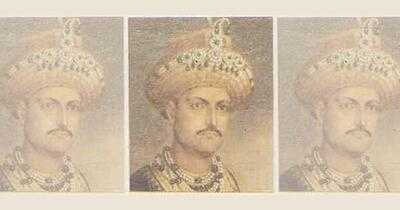
A dynasty of nawabs ruled Awadh, in a subsidiary alliance with the East India Company, from the mid-18th century. Many Englishmen moved into the province to trade, farm and set up plantations. These business houses were protected by Company soldiers, who were paid from the revenues of the Awadh State. The same resources were used by the business houses to supply soldiers to advance the Company’s interests in other parts of India. The arrangement became increasingly detrimental to the Awadh exchequer. The policy of the Governor-General, Sir John Shore, not to directly intervene in the affairs of the Awadh State was reversed when the Company was faced with a nawab who was openly hostile to its increasing influence. The fate which the rebel king had to meet does not paint Company rule in a glorious light and is one that apologists for colonisation might wish to forget.
Alas, it could not be found. There was a frantic search, but still it could not be found. Lost forever was the tragic history of a grave built from lime, sand and brick – and that for the paltry sum of ten rupees.
This is the Kasiabagan Graveyard. Just as the South Park Street Cemetery belonged to...
Read more
-
PM Modi Congratulates Balendra Shah On RSP’s Big Win In Nepal Elections

-
Allu Arjun Gifts Swanky Car Worth Nearly ₹70 Lakh To His Mother On International Women's Day; Photo Goes Viral

-
Buckingham Palace looking to hire someone to fill live-in Royal Household role

-
Indian Sports Reporter Faces Harassment During T20 World Cup Celebration

-
Tragic Death of 15-Year-Old Student in Madhya Pradesh Raises Concerns Over Silent Attacks