Spring is on its way, and with it comes one of the most crucial times of the year for gardeners. After the Spring Equinox in late March, daylight hours increase and temperatures warm.
As they do, pollinators begin to become more active - meaning it's crucial to make your garden a welcoming space for them. Bees and bumblebees need plants to feed on but often gardens don't reflect this need. If gardens are bare, bee survival rates can drop significantly. If gardens are flowering, it can make a huge difference.
Morris Hankinson, the managing director of Hopes Grove Nurseries, says UK gardeners can help in just ten minutes with a few simple tasks.
In fact, two of the best ways you can help pollinators is by doing nothing at all.
If you have dandelions growing in your garden, then Morris said you should leave them well alone. He said: "The humble Taraxacum officinale is one of the most important early nectar sources for bees and other pollinators.
"The flowers are rich in pollen when there is little else in the garden flowering. Delay mowing the lawn or removing Dandelions at this time of year so the bees can enjoy them. This will actually save you some time!"
The next way to help bees this month is by ignoring your pruning for a few weeks. By delaying cutting back old growth and hollow stems, you can help bees with hiding spots in the stems - another great time saver
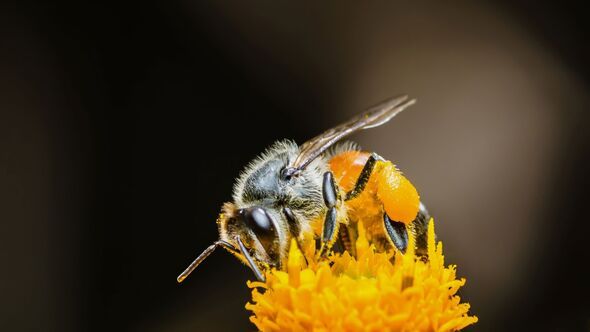
There are a few other low-effort, quick jobs you can get done around the garden in time for the spring - for example, moving your potted plants into sunnier spots to encourage earlier flowering.
South-facing walls, patios, or sheltered corners are great to encourage plants to flower and provide nectar for bees. You can also cluster flowering potted plants together to attract bees.
Clustering encourages foraging efficiency and looks beautiful, too.
Another good idea is creating a water source for bees. This is easy to do - all you need is a saucer and some pebbles. Place the pebbles on the saucer, add some water and place it in the garden. This means bees can rest on the stones and have a drink.
Morris said: "Bee activity often doesn't match what's flowering in our gardens and many people aren't aware of the simple garden tasks that can protect them. If nectar isn't available in March and early April, colonies can be weakened before the season has properly begun."
-
CM Shri Devendra Fadnavis Lists Maharashtra's First Public Issue of Municipal Green Bond of Nashik Municipal Corporation (NMC) at NSE

-
Petrol and Diesel Prices Today: Check Latest Fuel Rates in Major Indian Cities

-
YouTuber Anurag Dobhal's Dangerous Live Stream Sparks Mental Health Debate

-
Allu Arjun and Deepika Padukone Unite in Groundbreaking Film AA22xA6

-
Connected care: The data and AI shift in healthcare