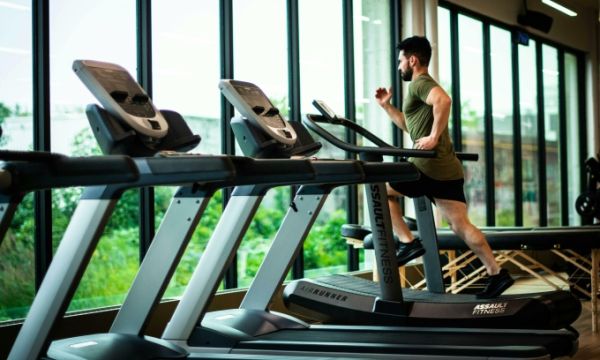
Under the new rates, which took effect on Jan. 1, gyms now pay 10 ringgit (US$2) per square meter, down from 50 ringgit, the South China Morning Post reported.
“Previously, gym operators paid about 5,000 ringgit annually in license fees. Now, they only need to pay 1,000 ringgit. This is a reduction of 80 percent,” Federal Territories Minister Hannah Yeoh says.
She says the initiative would begin in Kuala Lumpur before expanding to Putrajaya and Labuan cities.
“If it is a ‘pure’ gym, they enjoy [the discount]. If they add elements like spas, cafes or commercial components, they will have to pay for different licenses,” she adds.
|
A person exercising in a gym. Photo by Pexels |
Malaysia’s National Health and Morbidity Survey in 2024 found 23.1 percent of adults were obese and 30.5 percent overweight, while 52.1 percent had abdominal obesity.
Estimates from the Global Nutrition Report indicate that 20.9 percent of Malaysian women and 15.9 percent of men live with obesity, higher than Thailand, where the rates are 15.7 percent for women and 9.3 percent for men, and far above Singapore and Vietnam.
Yeoh says while the country aims to make exercise more accessible, gyms are not required to lower their membership prices.
“We cannot tell them it is a must to give discounts, but we encourage them. Forcing gym operators to bring down prices will not work,” she says.
K. Krishnakumar, president of the Gymnasium Entrepreneurs Association Malaysia, says the reduced fees account for “about 10 to 20 percent” of total operating costs, while rent, electricity, staff wages and equipment maintenance are the biggest expenses.
“There are many unlicensed gyms in the city due to the high fees. We hope that with this reduction, more operators will apply for proper licenses and ensure they operate legally,” he adds.
He also says gym memberships in Kuala Lumpur were not unaffordable before the cut as many gyms offered discounts for the elderly, students and new members and in some cases, free memberships for people with disabilities and those over 60.
Luke Lango, a strength coach who runs a private one-to-one training studio, says he previously paid about 8,000 ringgit for a license.
“You can buy two brand new pieces of gym equipment with that [every year] or one treadmill,” he says.
He says the reduction will be helpful for cash flow in the early years but not in the long term after taking into account inflation and maintenance costs.
“As the years go by … walls need to be repainted, wiring needs to be redone, upgrades need to happen,” he says
Lango says any savings would likely be used to improve services, including better equipment, faster internet and training for staff and coaches. He says accessibility and public perception also play a role in changing people’s attitudes to exercising.
-
Australia Grants Humanitarian Visas to Iranian Soccer Players Amid Safety Concerns
-
Keir Starmer faces nightmare local election defeat in own backyard
-
Eight new targeted areas named as police in 'dodgy' fire stick crackdown

-
Death in Paradise fans issue same complaint as drama moves away from Saint Marie

-
Cheltenham Festival-winning trainer found guilty of attacking dog walker with hockey stick