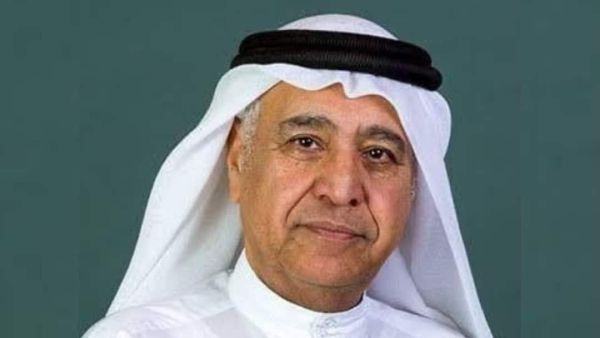
Rising hostilities in the Middle East have prompted renewed discussions about possible diplomatic interventions, with a former United Arab Emirates envoy suggesting that India could play a decisive role in calming the situation. Hussain Hassan Mirza, the UAE’s first ambassador to India, has expressed strong confidence in Prime Minister Narendra Modi’s ability to influence both Israel and Iran at a critical moment in the conflict.
Speaking to India Today TV, Mirza argued that India’s global stature and Modi’s personal rapport with leaders in both nations give New Delhi a rare diplomatic advantage that could potentially help de-escalate the crisis.
Modi’s Diplomatic Reach Could Influence Both Sides
Mirza said that India was a great nation and the stature of India is such that if Modi were to call both Israel and Iran, the fighting would stop. One phone call is all it would take, he said. According to him, Modi’s longstanding relationships with leadership in both countries could make India a credible intermediary during a period of heightened tensions.
He reiterated in remarks said, as per NDTV, one call from Modi to the counterparts in Iran and Israel can resolve this issue. Mirza described the warring parties as “warriors” engaged in a battle being fought “on our soil.”
The former diplomat emphasised that India’s reputation across the Gulf region extends beyond politics and diplomacy, with the Prime Minister enjoying significant goodwill among business leaders and the broader public.
UAE’s Delicate Balancing Act
Mirza also highlighted the complex geopolitical landscape faced by the UAE. The country sits geographically close to Iran while simultaneously maintaining strong relations with Israel following the signing of the Abraham Accords. This dual alignment places Abu Dhabi in a unique position when it comes to diplomatic engagement in the region.
He noted that we are in a position to negotiate between the two sides.
The former ambassador also stressed that the UAE has not allowed its territory to be used for attacks against Iran. He added that other Gulf nations, including Kuwait and Qatar, have adopted a similar stance by refusing to permit anti-Iran operations from their soil.
Escalation Continues Across Region
Mirza’s comments come as tensions involving the United States, Israel, and Iran continue to intensify. Iran has launched hundreds of missiles and drones across the Gulf region in response to military actions by Washington and Tel Aviv.
The UAE itself has faced incoming threats, though most of them were intercepted by the country’s air defence systems.
Despite the ongoing security challenges, Abu Dhabi has reiterated its commitment to defending its territory while also working to prevent the conflict from widening further.
At the same time, Israel has conducted fresh strikes in central Iran and against Hezbollah positions in Beirut. Iran is also navigating a sensitive leadership transition under Mojtaba Khamenei.
The humanitarian consequences are growing. Iran’s ambassador to the United Nations reported that more than 1,300 civilians have been killed, with thousands injured. The United States also confirmed that a seventh American soldier died while undergoing medical treatment.
-
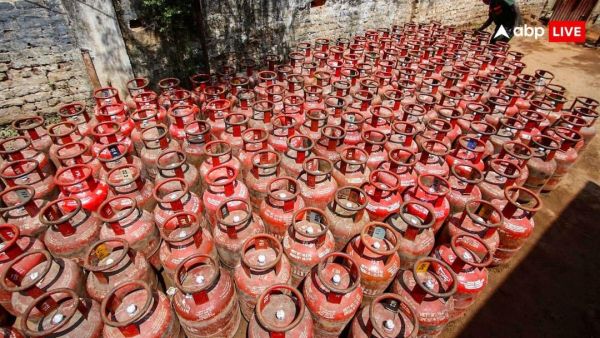
Hotels, Restaurants To Shut Down In Mumbai, Bengaluru? LPG Shortage Amid West Asia Crisis Sparks Concern
-
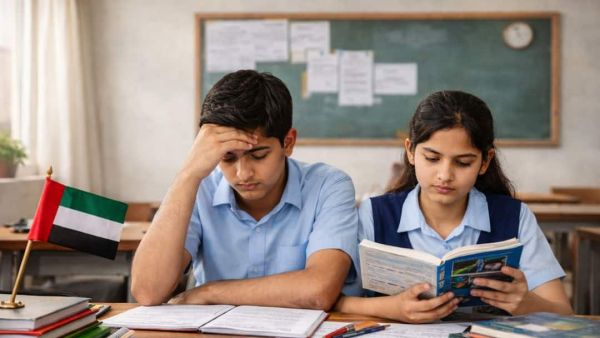
CBSE Postpones Class 12 Board Exams In Middle East From March 12–16, New Dates To Be Announced
-
For The Fourth Time, Somaiya Vidyavihar University’s Campus Courts Become India’s Arena For The AIU Inter-University Squash Tournament

-
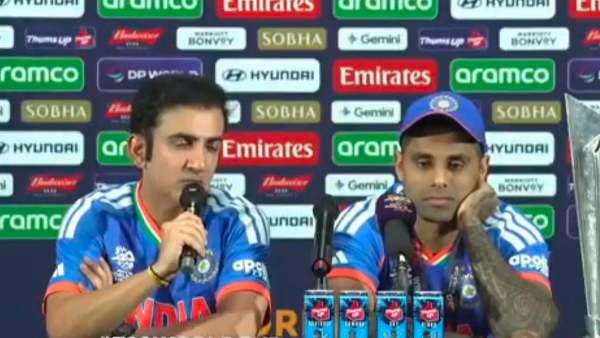
'Feeling Yet To Sink In': Suryakumar Yadav, Gautam Gambhir Reflect On India's T20 World Cup Triumph After Crushing NZ
-
'Women Are Generally More Intelligent': Rahul Gandhi's Candid Conversation With Kerala Students; Internet Says 'His Words Are Gold'