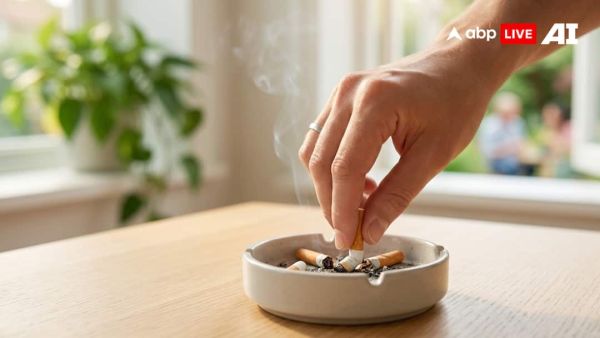
Today, March 11, 2026, is being observed as No Smoking Day, an annual awareness campaign marked every year on the second Wednesday of March. The day aims to encourage smokers to take a step toward quitting tobacco while highlighting the serious health risks linked to smoking. By spreading awareness and promoting healthier choices, No Smoking Day serves as a reminder that breaking free from tobacco addiction can significantly improve both the quality and length of life.
Smoking continues to be one of the leading causes of preventable diseases worldwide. It harms nearly every organ in the body and increases the risk of conditions such as heart disease, cancer, and respiratory illnesses. Quitting, even after years of smoking, can significantly improve health and quality of life.
Why Quitting Smoking Matters
Health experts widely agree that stopping smoking is one of the most powerful steps a person can take to improve both the length and quality of their life. According to medical authorities, once a person quits, the body immediately begins repairing damage caused by tobacco.
Beyond health, smoking also takes a toll on finances. Cigarettes and other nicotine products have become increasingly expensive, meaning regular users may spend substantial amounts each week or month.
The decision to stop also benefits those around the smoker. Secondhand and thirdhand smoke can harm family members, especially children. Exposure can lead to respiratory illnesses, frequent infections, and serious health complications for infants born to mothers who smoke. By quitting, individuals protect both themselves and their loved ones from these risks.
Health Benefits Of Quitting Smoking
The advantages of quitting tobacco begin almost immediately and continue to grow over time. One of the most significant benefits is a longer life expectancy. Research suggests that people who quit smoking may add several years to their lifespan.
Stopping smoking also lowers the risk of major diseases. The likelihood of cardiovascular conditions, chronic obstructive pulmonary disease (COPD), and various cancers drops significantly after quitting. For those already diagnosed with heart disease or lung conditions, quitting can still improve treatment outcomes and overall health.
Respiratory health often improves as well. Many former smokers notice a reduction in coughing, wheezing, and mucus production within weeks. Lung function can improve, and the risk of respiratory infections such as bronchitis and pneumonia decreases.
The cardiovascular system benefits greatly too. Quitting smoking reduces inflammation, improves cholesterol levels, and lowers the chances of heart attack and stroke over time. Even risks linked to blood clots and artery damage gradually decline.
How To Quit Smoking: Practical Strategies
Despite knowing the dangers, many smokers struggle to quit because nicotine triggers the brain’s reward system, creating both physical dependence and habitual behavior. Overcoming these challenges usually requires planning, patience, and support.
- Identifying personal triggers is a crucial step. Smoking habits are often linked to routines, such as taking breaks at work, social situations, or stress. Understanding these patterns allows individuals to develop strategies to handle cravings when they appear.
- Distraction can also help during moments of temptation. Cravings usually peak for a short period before fading. Engaging in an activity, taking a brief walk, or spending time in a smoke-free environment can make it easier to resist the urge.
- Some people find success by replacing the habit with healthier alternatives. Chewing sugar-free gum, snacking on healthy foods, or drinking water can keep the mouth occupied and reduce the desire to smoke.
- Physical activity and relaxation techniques can also play an important role. Exercise, deep breathing, yoga, or listening to calming music can help manage stress, which is often a trigger for smoking.
- Support also plays an important role in quitting smoking. Informing friends and family about the decision to quit can provide encouragement and accountability during difficult moments.
[Disclaimer: The information provided in the article is intended for general informational purposes only. It is not a substitute for professional medical advice, diagnosis, or treatment. Always seek the advice of your physician or other qualified healthcare provider with any questions you may have regarding a medical condition.]
-
BMC Education Chief Rajashree Shirwadkar Demands ₹42 Crore For CCTV Cameras, More Funds For Marathi Schools In Mumbai

-
Maya Kibbel Death: Nick Jonas 'Sister's Last Post For Childhood Friend Will Break Your Heart

-
Tottenham player ratings vs Atletico Madrid - Antonin Kinsky 0/10 nightmare and Romero concussion fears

-
Simple strategies to score full marks in mathematics

-
Gas supply disruption affects Kukke Subrahmanya temple breakfast service