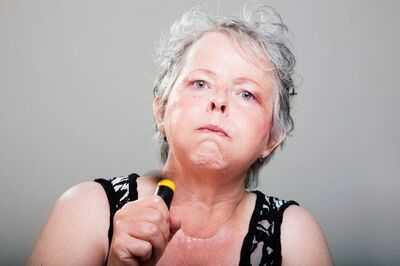
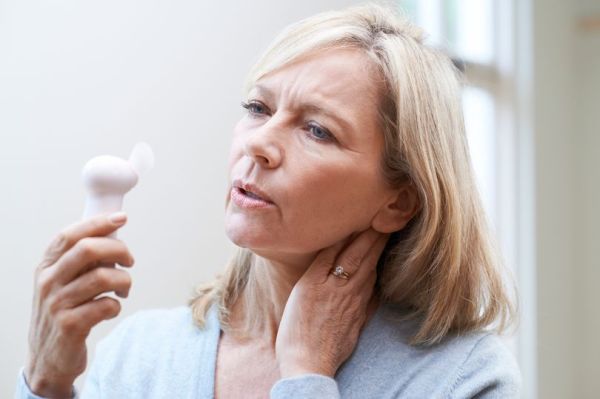
Half a million menopausal women could get a new daily tablet for hot flushes and night sweats.
The pill can now be prescribed on the NHS for women who either don’t want or can’t take hormone replacement therapy (HRT). The National Institute for Health and Care Excellence (NICE) said fezolinetant is a non-hormonal treatment which works by blocking the nerve pathways in the brain that trigger hot flushes and night sweats.
Dr Sue Mann, national clinical director in women's health for NHS England, said: "Symptoms of menopause including hot flushes and night sweats can affect every part of a women's life, so this is very welcome news especially for women who are unable to or don't wish to take hormone replacement therapy.
• Women taking certain HRT drugs could be at slightly higher risk of heart attacks
• Depression warning as more women in their 50s and 60s develop symptoms
"It's another vital treatment option which could help hundreds of thousands of women experiencing menopause to better manage their symptoms and feel more in control of their health."
The treatment, also called Veoza, is made by Astellas Pharma, and NICE said it can meaningfully reduce symptoms. Women may not be able to take HRT if they have other medical conditions such as blood clots. Some also choose not to use HRT, which is the first-line treatment for symptoms of the menopause.
The health spending watchdog added that women will need regular liver function monitoring while taking the treatment as it is rolled out in England.
Helen Knight, director of medicines evaluation at NICE, said: "We know that menopausal hot flushes and night sweats can have a profound impact on quality of life and significantly affect overall wellbeing. For those who are unable to take HRT for varying reasons, options have historically been limited, and we have heard clearly from patients how difficult that can be. This decision will give much-needed relief to those for whom HRT is unsuitable."
Menopause is when your periods stop due to lower hormone levels. The NHS says it usually affects women between the ages of 45 and 55 but can happen earlier.
The NHS recommends the following lifestyle changes women can do to help manage symptoms:
- get plenty of rest, including keeping to regular sleep routines
- eat a healthy diet
- have calcium-rich food like milk, yoghurt and kale to keep bones healthy
- exercise regularly, try including weight-bearing activities where your feet and legs support your weight like walking, running or dancing
- do relaxing things like yoga, tai chi or meditation
- talk to other people going through the same thing, like family, friends or colleagues
- talk to a doctor before taking herbal supplements or complementary medicines
-
Increase Height: Did your child's height not increase this year? Start these 5 workouts today and you'll see a difference in a month.
-
Why Lord Shiva Wears a Snake Around His Neck: Meaning & Symbolism

-
SBI, MUFG partner to fund cross-border mergers and acquisitions

-
Sensex tanks 1,300 points, Nifty hits 10-month low: What's up

-
GSP Crop Science trims IPO size, sets ₹240 crore target