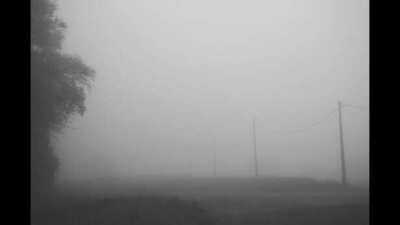
A widespread layer of haze, often described as shallow fog, settled over large parts of Uttar Pradesh on Tuesday, markedly cutting visibility and dimming sunlight in cities like Lucknow, Kanpur, Prayagraj, Varanasi, Meerut and Agra. The weather phenomenon has prompted meteorologists to forecast that hazy conditions are likely to linger for the next couple of days as the region transitions from winter to the warmer months.
Residents and commuters reported mornings with significantly reduced visibility. In some areas, the layer of haze was dense enough to obscure landmarks and make the skyline appear muted. This unusual weather pattern follows similar episodes seen in previous seasonal transitions and sparks discussions among locals about its intensity.
Weather experts emphasise that the current haze is primarily a natural atmospheric occurrence rather than a direct result of pollution spikes typical of winter smog. According to meteorological officials, the combination of moisture in the air — carried by easterly winds — and stable temperature conditions near the surface promotes the formation of tiny water droplets. These droplets settle on dust particles and scatter sunlight, creating the characteristic “hazy” look in the early hours.
Shallow fog and haze of this kind can form when nights remain cool enough to allow moisture to condense near the ground, yet days warm up sufficiently to prevent the complete dissipation of the fog layer. Calm winds also play a role, allowing these conditions to persist from dawn into the late morning.
Met office officials have indicated that temperatures across the region are running above normal for this time of year, a factor that contributes to atmospheric stability and reduces the likelihood of rapid dispersion of the haze. Over the coming days, minimal change in temperatures is expected, and the lingering moisture may continue to generate similar hazy mornings.
Although such conditions are natural during seasonal shifts, the persistence of haze can have practical impacts. Lower visibility in the early hours may pose challenges for road and rail travel, particularly for early commuters. People with respiratory conditions may also find the humid, stagnant air uncomfortable. Observers suggest that while this is not the severe, pollution‑driven smog often seen in peak winter, it serves as a reminder of how weather patterns can influence daily life in densely populated regions.
For now, the forecast points to hazy conditions continuing over the next two days, with the possibility of some light rainfall developing around mid‑March, which may help alleviate the current atmospheric setup.
-
Asda gives free item to customers on Saturday if they say three words

-
Asda gives free item to customers on Saturday if they say three words

-
Asda gives free item to customers on Saturday if they say three words
-
What Atletico say about pitch as Antoine Griezmann comments shine new light on Tottenham slip-gate

-
What Atletico say about pitch as Antoine Griezmann comments shine new light on Tottenham slip-gate