New Delhi: India has activated its role as a peace messenger amidst the world sitting on a heap of gunpowder in West Asia (Middle East). While the fierce military conflict between Iran, America and Israel has broken the back of the global economy, India’s Foreign Minister Dr. S. Jaishankar has taken charge. In this series, Jaishankar had a long and detailed telephone conversation with Iran’s Foreign Minister Syed Abbas Araghchi. This discussion has taken place at such a critical juncture when there are only clouds of war from sea to land.
First major talks in the era of Mojtaba Khamenei
Following the change of regime in Iran and the death of Ayatollah Ali Khamenei in a military attack, his son Mojtaba Khamenei has been appointed as the new supreme leader. This is the first high-level dialogue between India and Iran after this major change. This was the third important discussion between the two leaders on the situation arising after the joint attacks by Israel and America. According to the Iranian Foreign Ministry, the focus of the talks was not only war but also ensuring the safety of international merchant ships.
Maritime security and the Strait of Hormuz crisis
Iranian Foreign Minister Araghchi raised the issue of maritime security very strongly during the talks. He held Washington and Tel Aviv directly responsible for the instability in the Strait of Hormuz and the Persian Gulf. Iran has bluntly said that global waterways have become unsafe due to America’s aggressive policies. On the other hand, Dr. Jaishankar confirmed the talks on social media and indicated that India is in favor of maintaining constant contact to restore peace in the region.
Why is there so much at stake for India?
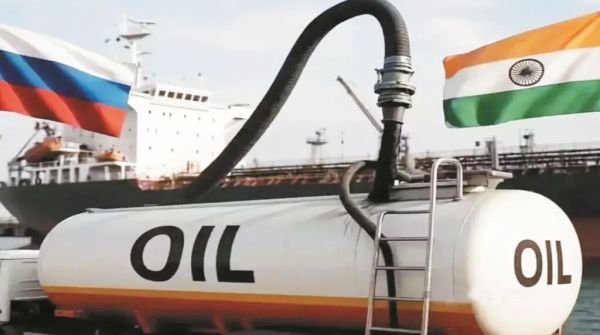
This crisis in West Asia is directly affecting the Indian kitchen and pocket. India imports about 85% of its oil needs. Since 20% of the world’s oil trade passes through the Strait of Hormuz and Iran has virtually blocked the route, crude oil prices have been on fire. The Indian economy is in direct danger of supply chain breakdown. Apart from this, the security of about one crore Indian citizens living in Gulf countries remains the biggest priority for the Modi government.
Contacted other stalwarts of the world also
India is not limited to Iran only. Dr. Jaishankar has also spoken to Germany’s Foreign Minister Johann Waddefull and South Korea’s Foreign Minister Cho Hyun to exert pressure at the global level. India’s stand is very clear that attacks on merchant ships are not acceptable at any cost. India has appealed on the international platform that the violence should be stopped immediately and the solution to this great crisis should be found only through diplomacy and dialogue.
-
LPG Refill Rules Changed: Households with PNG Connection May Lose Subsidised LPG Cylinder Access
-
Income Tax Scam Alert: Don’t Fall for Fake Notices Circulating Online, Department Issues Warning

-
Paying Income Tax by Credit Card: Benefits, Charges and Things to Know Before the Advance Tax Deadline

-
Fuel Credit Cards Explained: How They Work and How Much You Can Save on Petrol and Diesel

-
Financial Year Ending Soon: Complete These 7 Important Tasks Before March 31 or Risk Financial Trouble