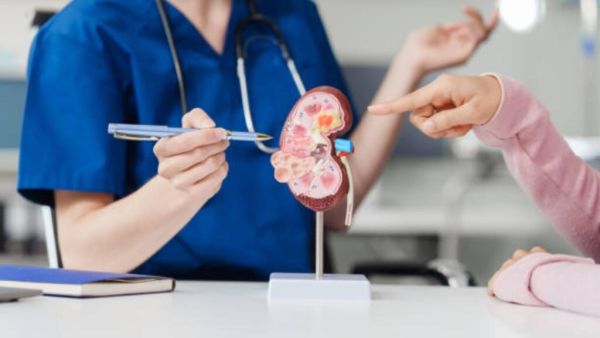
Kidney It is an important organ of our body, working in many ways to keep us healthy. Kidneys remove waste products from the blood, help regulate blood pressure, balance the various salts in the body and help in the production of red blood cells. Diabetes and high blood pressure are two major health problems faced worldwide. These two diseases directly lead to kidney damage. Diabetes and high blood pressure can gradually damage the kidneys and eventually lead to chronic kidney disease (CKD) or kidney failure.Dr Nikhil Shinde, Consultant, Nephrology, Kokilaben Dhirubhai Ambani Hospital Navi Mumbaihas given detailed information about this.Photo courtesy – istock)
World Kidney Day: Consuming ‘these’ foods causes the kidney to rot and accumulate waste, you will stay away from toxic substances forever.
How does diabetes affect the kidneys?
Diabetes is a disease that impairs the body’s ability to control blood sugar. When blood sugar levels remain high for a long time, it directly affects the delicate filtration process of the kidneys, the ‘glomeruli’. These microscopic filters do an important job of purifying the blood, but they can be seriously damaged by high sugar levels.
The constant increase in blood sugar puts a lot of stress on the ‘glomeruli’ i.e. the kidney’s filtration system. This causes these delicate filters to thicken, as a result of which their efficiency slows down and proteins such as ‘albumin’, which are essential for the body, start to be excreted in the urine. This serious condition is called ‘diabetic nephropathy’, which is a major warning sign before kidney failure.
Symptoms of kidney disease caused by diabetes are not easily noticed at first. As the disease progresses, the kidney’s ability to purify the blood deteriorates. This can lead to symptoms such as a sudden rise in blood pressure, swelling of the feet and ankles, constant fatigue, and changes in the amount or form of urine. If medical treatment is not received in time, the kidneys may fail completely, which may further require dialysis or a kidney transplant.
Effects of High Blood Pressure on Kidneys:
High blood pressure, also known as ‘hypertension’, is one of the main causes of kidney diseases. A network of microscopic blood vessels is essential for the proper functioning of the kidneys. When blood pressure is persistently elevated, these blood vessels are under tremendous strain. This causes them to shrink, weaken or permanently damage them. As this damage progresses, blood supply to the kidneys decreases, making it harder to filter waste products from the blood. Interestingly, the kidneys themselves also work to regulate blood pressure. However, when the kidneys are damaged, this control is impaired and blood pressure rises further. This creates a vicious cycle. High blood pressure damages the kidneys and as the kidneys are damaged it becomes difficult to control blood pressure.
The most dangerous combination of diabetes and high blood pressure:
Often people with diabetes also develop high blood pressure and this combination can be very dangerous. When these two diseases combine, they put double stress on the kidneys and accelerate the rate of kidney damage. This increases the risk of ‘acute kidney disease’ many folds. The most dangerous thing is that kidney damage starts very slowly and without even noticing. In the early stages, there are no obvious symptoms. Therefore, until the situation gets out of hand or takes a serious form, most people do not even realize that something is wrong with their kidneys.
Warning signs of kidney damage:
Kidney disease enters the body very slowly and imperceptibly at first, but as it progresses, some symptoms begin to appear. You may notice swelling in your ankles, feet, or even face. Constantly feeling tired or extremely weak is a big red flag. Some people experience foamy urination or frequent urination—especially at night. Food cravings or feeling nauseous can also be symptoms. Also, if you’re having trouble controlling your blood pressure, don’t ignore it. If you have diabetes or high blood pressure, keep a close eye on these symptoms and immediately contact a doctor at a hospital with a multidisciplinary approach if there is any change.
Prevention and early diagnosis:
The good news is that if you take good care of yourself, it’s easy to prevent or slow down kidney damage caused by diabetes and high blood pressure. For those with diabetes, it is very important to control blood sugar. Also, if you suffer from high blood pressure, regular measures such as taking medication on time, eating healthy, exercising regularly and finding ways to reduce stress should be done regularly. This greatly reduces the risk of kidney failure.
Never skip a regular health checkup. Tests such as blood creatinine, urine protein and eGFR are very simple, and can help identify kidney problems early. If these problems are diagnosed early, you have enough time to treat them and protect your kidneys.
A healthy lifestyle can make a huge positive difference. Eat a healthy diet, reduce salt intake, exercise regularly, keep your weight under control and avoid smoking. These seemingly simple things can go a long way in keeping your kidneys healthy.
Does the increased gas in the stomach harm the intestines? Then use ‘these’ foods in the kitchen, you will get instant relief
Protecting Kidney Health:
World Kidney Day reminds us of an important thing: diabetes and high blood pressure can damage your kidneys very slowly and without you noticing. But the good news is that if you get checked up on time, follow your doctor’s advice, and adopt some healthy lifestyle changes—like a healthy diet, regular exercise, and keeping your blood sugar and blood pressure under control—you can definitely reduce your risk of kidney failure. Start taking care of your kidneys today to protect your health in the future.
-
Rivian R2 launch: Here’s what $57,990 gets you
-
Claude Excel PowerPoint Integration: Big AI Workflow Shifts

-
6 Must-Have Gold Jewellery Picks for Eid Under ₹10K

-
Assassination Attempt on Farooq Abdullah: Omar Abdullah Rushes to Jammu & More…

-
Eid makeup is incomplete without red-green bangles, wear stylish designs with sharara-garara. Red Green Class Bangle Design For Eid Sharara Garara Fashion Look