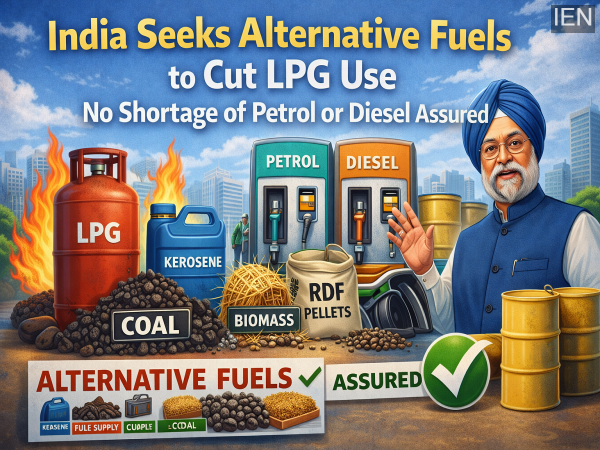
Amid rising geopolitical tensions in West Asia, the central government has reassured citizens that India currently has sufficient supplies of key petroleum products, including petrol, diesel, kerosene, aviation turbine fuel (ATF), and fuel oil. At the same time, the government is exploring alternative fuel options such as kerosene, coal, and biomass for certain sectors to reduce pressure on Liquefied Petroleum Gas (LPG) consumption.
Union Minister for Petroleum and Natural Gas Hardeep Singh Puri shared these updates in the Lok Sabha on March 12, stating that fuel availability across the country remains stable and supply chains are functioning normally.
Fuel Supply in India Remains Stable
Addressing concerns related to global tensions and energy supply disruptions, the minister emphasized that retail fuel outlets across India have adequate stock of petrol, diesel, kerosene, ATF, and fuel oil.
According to the government, the current distribution network is operating without disruption. Petroleum products continue to reach fuel stations regularly, ensuring that consumers do not face shortages.
Officials also confirmed that India’s energy supply chain is resilient, with alternative procurement routes already being used to maintain consistent fuel availability.
Commercial LPG Supply to Be Temporarily Restricted
In response to limited availability of commercial LPG cylinders, the government has introduced a temporary supply management strategy.
From March 12, Oil Marketing Companies (OMCs) will coordinate with state governments to allocate only about 20 percent of the average monthly commercial LPG requirement to industrial and commercial consumers.
This step aims to ensure that the available LPG supply is directed toward essential and priority users, while also preventing hoarding or black-marketing of cylinders.
The government believes that controlled distribution will help maintain supply stability during the current geopolitical situation.
Alternative Fuels Suggested for Hotels and Restaurants
To ease the pressure on LPG consumption, the government is encouraging certain commercial sectors—particularly hotels and restaurants—to consider temporary alternatives.
These alternative fuels may include:
-
Kerosene
-
Coal
-
Biomass
-
Refuse-Derived Fuel (RDF) pellets
-
Fuel oil
Authorities say these fuels could be used temporarily by hospitality businesses to reduce LPG demand.
The Ministry of Environment, Forest and Climate Change has also advised state pollution control boards to allow the temporary use of such alternative fuels in the hospitality sector for about one month during the current supply situation.
The objective is to ensure that LPG remains available for priority consumers, including households and essential services.
LNG Imports Helping Maintain Gas Availability
The government has also been increasing Liquefied Natural Gas (LNG) imports through alternate supply routes.
According to the petroleum minister, large LNG cargo shipments are reaching India almost daily, helping bridge supply gaps and maintain steady energy availability across sectors.
This strategy has allowed the country to offset potential disruptions in global gas supplies and ensure uninterrupted industrial operations.
Domestic LPG Production Sees Significant Increase
To further strengthen supply, the government directed oil refineries to boost LPG output. As a result, domestic LPG production has reportedly increased by around 28 percent.
Officials say this rise in production, along with additional imports, will help maintain sufficient LPG supply in the coming months—even if geopolitical tensions persist.
The minister also assured Parliament that India’s energy infrastructure is capable of supporting both household consumption and industrial demand.
Government Engages With States and Restaurant Associations
To address LPG supply management effectively, the government has been holding multiple meetings with state civil supply departments and restaurant associations.
A dedicated committee has also been formed to assess the actual LPG requirements across different sectors and states.
This assessment will help authorities distribute available LPG cylinders more efficiently and ensure that the most essential consumers receive priority access.
Update on LPG Cylinder Prices
The petroleum minister also provided an update on LPG pricing.
Following a ₹60 adjustment, the price of a non-subsidized domestic LPG cylinder currently stands at around ₹913.
Based on prevailing international market rates, the price could have increased further to approximately ₹987 per cylinder. However, the government chose to absorb part of the price increase, effectively covering about ₹74 of the potential cost burden.
This measure was taken to shield consumers from the full impact of rising global energy prices.
Government Urges Public Not to Panic
Concluding the update, the minister emphasized that there is no need for public concern regarding fuel availability in India.
Even if tensions in West Asia persist for a longer period, the government believes that India’s diversified supply sources, increased production, and strategic procurement measures will ensure uninterrupted energy supply.
Authorities say these steps are designed to protect both households and businesses while maintaining stability in the country’s energy ecosystem.
-
I make my coffee taste so much better by adding 1 unusual everyday item

-
I make my coffee taste so much better by adding 1 unusual everyday item

-
Best supermarket hot cross buns named — better and £1 cheaper than M&S

-
Premium Bonds 'may pay more' update for account holders

-
Top updates: Trump says stopping Iran from getting nuclear weapons more important than oil prices