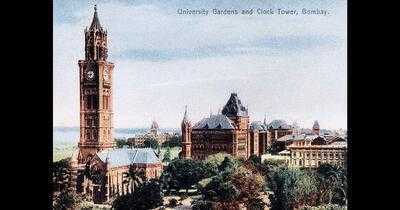
While walking through the Fort campus of the University of Mumbai, visitors often marvel at the unmistakable silhouettes of Gothic spires piercing the tropical sky. The soaring Rajabai Tower, the ornate Convocation Hall, and the grand Library building seem like European Gothic buildings transplanted onto Indian soil. Yet a closer look reveals something far more complex. These aren’t simply copies; rather they speak of architectural negotiations and tell a fascinating story of cultural adaptation under colonial rule.
When Sir George Gilbert Scott designed these buildings in 1866, he had never set foot in Bombay (now Mumbai). Working from his London office, he sent architectural plans across the ocean, trusting local architects and craftsmen to execute his vision. As a result, what emerged was neither purely European nor traditionally Indian, but something entirely new. The style was “Gothic Revival”, but one that had learned to speak in a local dialect.
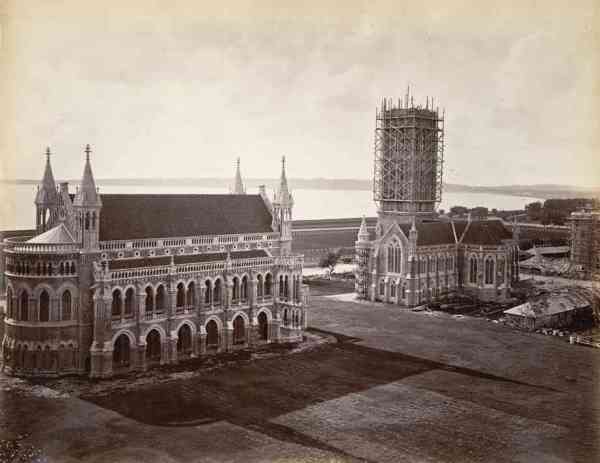
The transformation began with materials used. Where European Gothic cathedrals rose from quarried limestone and sandstone, in the Bombay of the late 1800s, Gothic buildings drew from India’s geological palette.
Kurla’s golden stone was used to build the primary structures, while Porbandar’s white limestone provided an ornamental contrast to the exteriors. Ratnagiri granite anchored the foundations, and...
Read more
-
Benefits Of Drinking Water: Why Tea And Coffee Can’t Replace Proper Hydration

-
Brazil Ex-President Jair Bolsonaro Critical, Hospitalised With Pneumonia While Serving Prison Term

-
Fake UP SI Exam 14 March 2026 Shift-1 Question Paper Goes Viral: UP Police Calls It Fake; Warns Against Misleading Claims

-
Anna University Result 2026 Declared At coe1.annauniv.edu; Here’s How To Check The Results

-
Sanjay Dutt Receives Luxurious Gold-Plated iPhone By Pakistani Influencer Kashif Zameer In Dubai; Guess The Cost