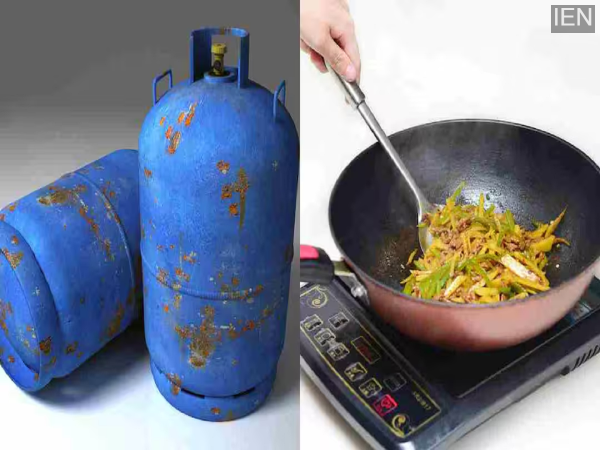
LPG Vs. Induction: The escalating tension in West Asia is now beginning to impact the global energy market. As oil and gas supplies are disrupted, several countries are witnessing a sudden surge in fuel prices.
LPG Vs. Induction: The escalating tension in West Asia is now beginning to impact the global energy market. As oil and gas supplies are disrupted, several countries are witnessing a sudden surge in fuel prices. In India, too, this situation has heightened public anxiety regarding the availability and pricing of LPG cylinders. While the government maintains that there is no shortage of domestic LPG, people in many areas are facing difficulties due to irregular supply. Consequently, many individuals are now beginning to wonder whether an induction cooktop might be a more economical alternative for their cooking needs.
Complaints Regarding LPG Supply in Several Cities
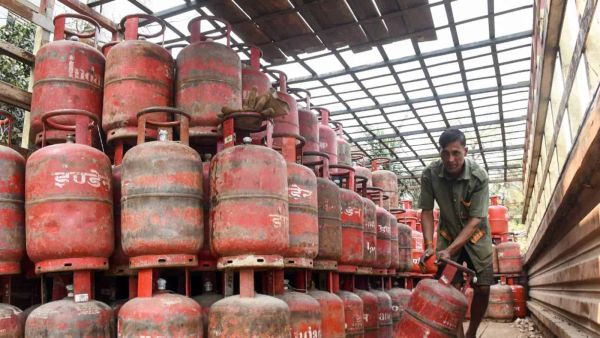
Reports have emerged of long queues outside LPG agencies in various cities across the country, including Noida, Lucknow, Delhi, and Pune. Consumers report facing difficulties in booking cylinders and receiving timely deliveries. The impact of this issue is not limited to households alone; many restaurants and small businesses are also being adversely affected by delays in gas supply. According to some reports, the gas shortage has reached such a critical point that certain hotels and restaurants have been forced to remove specific dishes from their menus.
The Cost Difference Between LPG and Induction
A standard domestic LPG cylinder contains approximately 14.2 kilograms of gas and is priced at around ₹950. However, the efficiency of a gas stove is estimated to be around 55 percent, meaning that a significant amount of energy is wasted as heat during the cooking process. An induction cooktop, on the other hand, utilizes a much larger portion of electrical energy directly for cooking purposes, making it a more efficient option. According to various studies, cooking on an induction cooktop can prove to be more cost-effective, provided that the electricity tariff is not excessively high. Some estimates suggest that a family could save anywhere from approximately ₹180 to ₹1,000 per month. According to a report on energy economics, using an electric stove can prove to be less expensive than using non-subsidized LPG in many instances.
Why Do People Still Prioritize LPG?
Although induction cooktops can help reduce costs, people in many parts of the country still consider LPG cylinders to be more reliable. A major reason for this is power outages; when the electricity goes out, only a gas stove remains functional. Furthermore, many traditional Indian cooking techniques—such as roasting rotis, tempering (tadka), or cooking directly over an open flame—are much easier to execute on a gas stove.
Another Cost Barrier to Adopting Induction
Using an induction cooktop requires specific types of cookware. Many traditional utensils commonly found in Indian households are not compatible with induction technology. Consequently, people—particularly those living in rural areas and smaller towns—may have to purchase new cookware to switch to induction, thereby increasing the initial upfront cost. This is precisely why, despite the potential for lower operating costs, many families continue to prioritize LPG cylinders. While an induction cooktop can indeed prove to be a more economical option under certain circumstances, factors such as electricity availability, initial investment costs, and established cooking habits also play a significant role in this decision-making process.
-
Commercial LPG supply resumed, no retail shortage, says Oil Ministry
-
List of Hyderabad theatres screening Oscar-nominated ‘F1: The Movie’

-
Salman Khan and his 2 upcoming movies with Telugu filmmakers

-
Hyderabad’s viral stepwell concerts head to historic Bapu Ghat Baoli

-
Lift ban, recognise CPI (Maoist) as party: surrendered leader Devuji