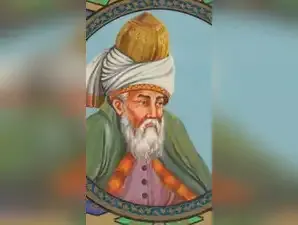
Quote of the Day: Powerful quotes often outlive the era in which they were spoken. They travel across centuries, cultures, and languages, offering guidance to people facing very different circumstances from those of the original speaker. Among the most enduring voices in spiritual and philosophical literature is the 13th-century Persian poet and Sufi mystic Rumi, whose poetry continues to inspire readers around the world. His reflections on love, spirituality, and self-discovery remain remarkably relevant today.
The Quote of the Day is more than a simple inspirational line; it often serves as a moment of reflection. In a fast-paced modern world filled with external distractions, powerful words can remind us to pause and look inward. Rumi’s teachings frequently emphasize this inner journey, encouraging individuals to seek wisdom not only in the outside world but also within their own hearts and experiences.
The Quote of the Day today by Rumi is:
“Everything in the universe is within you. Ask all from yourself.”
This profound line reflects the spiritual philosophy of Jalāl al-Dīn Rumi, one of the greatest poets in the Persian language. Rumi was born around September 30, 1207, in Balkh, a city that is now part of Afghanistan, and he died on December 17, 1273, in Konya, in present-day Turkey. Widely regarded as the greatest Sufi mystic poet, he became famous for his lyrical poems and for his monumental didactic work Mas̄navī-yi Maʿnavī (“Spiritual Couplets”), a text that profoundly influenced mystical thought throughout the Muslim world.
Rumi’s writings were composed primarily in Persian and Arabic, though they also contain elements of Turkish and some Greek. Because of this linguistic range, his literary legacy has been claimed by several cultural traditions, particularly in Iran and Turkey. Over the centuries, his poetry also gained strong influence in the Indian subcontinent, and by the end of the 20th century his work had become globally popular, especially in Western Europe and the United States.
After his death, Rumi’s followers organized themselves into the Mawlawiyyah order, often known in the West as the Whirling Dervishes, famous for their mystical dance performed as a spiritual practic, as per information sourced from Bitannica.
Rumi’s father, Bahāʾ al-Dīn Walad, was a respected mystical theologian, author, and teacher. Around 1218, due either to tensions with local rulers or the looming threat of the Mongol invasion, the family left their hometown of Balkh and began a long journey across the Middle East.
According to legend, during their travels they encountered the famous Persian poet Farīd al-Dīn ʿAṭṭār in the city of Nishapur, who is said to have blessed the young Jalāl al-Dīn. After performing a pilgrimage to Mecca and traveling through several regions, the family eventually settled in Anatolia, which was under the peaceful rule of the Turkish Seljuq dynasty.
They later moved to Konya, where Bahāʾ al-Dīn taught at a religious school. After his father’s death in 1231, Rumi succeeded him as a teacher and spiritual scholar. Around this time he also came under the influence of Burhān al-Dīn Muḥaqqiq, one of his father’s former disciples, who deepened his understanding of mystical philosophy and spiritual discipline, as per information sourced from Bitannica.
A turning point in Rumi’s life occurred in 1244, when he met the wandering dervish Shams al-Dīn of Tabriz in the streets of Konya. Shams possessed a powerful spiritual presence that deeply transformed Rumi’s outlook. The two mystics formed an intense spiritual bond, spending months in conversation and contemplation.
Their relationship stirred controversy among Rumi’s followers and family, eventually forcing Shams to leave the city. Although he briefly returned, he later disappeared permanently in 1247, an event widely believed to have been his murder.
This profound loss changed Rumi forever. His grief and longing became the driving force behind thousands of poems. Many of his lyrical works, collected in the Dīvān-e Shams, reflect this spiritual love and the search for divine beauty that Shams had awakened in him, as per information sourced from Bitannica.
In later years, Rumi developed another close spiritual connection with Ḥusām al-Dīn Chelebi, who encouraged him to compose a long didactic poem that would convey mystical teachings through stories, allegories, and reflections.
Following this advice, Rumi created his masterpiece, the Mas̄navī-yi Maʿnavī, consisting of nearly 26,000 couplets. The work explores nearly every aspect of Sufi philosophy and spiritual experience, weaving together parables, proverbs, and symbolic narratives. It remains one of the most influential works of Islamic mysticism.
Rumi died in Konya in 1273, and his funeral reportedly drew people of many religions and cultures. His mausoleum, known as the Green Dome, still stands in Konya today and continues to attract visitors and pilgrims from around the world.
The meaning of Rumi’s Quote of the Day — “Everything in the universe is within you. Ask all from yourself.” — lies in his belief that human beings already possess the spiritual truth they seek.
Rather than searching endlessly for answers outside themselves, Rumi suggests that individuals should turn inward. According to Sufi philosophy, the human soul reflects the entire universe, and through self-reflection one can discover wisdom, compassion, and spiritual clarity.
The quote also challenges the modern tendency to depend entirely on external validation or authority. Rumi encourages people to trust their inner awareness and to recognize their own potential for growth and understanding. In essence, the line reminds readers that the path to knowledge, love, and fulfillment often begins with self-discovery.
Rumi’s writings contain many lines that continue to inspire readers across cultures and generations. Some of his most famous quotes include:
“Your task is not to seek for love, but merely to seek and find all the barriers within yourself that you have built against it.”
“The wound is the place where the Light enters you.”
“Stop acting so small. You are the universe in ecstatic motion.”
“Yesterday I was clever, so I wanted to change the world. Today I am wise, so I am changing myself.”
“What you seek is seeking you.”
“Don’t grieve. Anything you lose comes round in another form.”
“Don't be satisfied with stories, how things have gone with others. Unfold your own myth.”
“If you are irritated by every rub, how will your mirror be polished?”
More than seven centuries after his death, Rumi’s poetry continues to resonate with readers searching for meaning and connection. His Quote of the Day reminds us that the answers we seek may not be as distant as we think — sometimes they are already present within us, waiting to be discovered.
The Quote of the Day is more than a simple inspirational line; it often serves as a moment of reflection. In a fast-paced modern world filled with external distractions, powerful words can remind us to pause and look inward. Rumi’s teachings frequently emphasize this inner journey, encouraging individuals to seek wisdom not only in the outside world but also within their own hearts and experiences.
Quote of the Day Today March 13
The Quote of the Day today by Rumi is:
“Everything in the universe is within you. Ask all from yourself.”
This profound line reflects the spiritual philosophy of Jalāl al-Dīn Rumi, one of the greatest poets in the Persian language. Rumi was born around September 30, 1207, in Balkh, a city that is now part of Afghanistan, and he died on December 17, 1273, in Konya, in present-day Turkey. Widely regarded as the greatest Sufi mystic poet, he became famous for his lyrical poems and for his monumental didactic work Mas̄navī-yi Maʿnavī (“Spiritual Couplets”), a text that profoundly influenced mystical thought throughout the Muslim world.
Rumi’s writings were composed primarily in Persian and Arabic, though they also contain elements of Turkish and some Greek. Because of this linguistic range, his literary legacy has been claimed by several cultural traditions, particularly in Iran and Turkey. Over the centuries, his poetry also gained strong influence in the Indian subcontinent, and by the end of the 20th century his work had become globally popular, especially in Western Europe and the United States.
After his death, Rumi’s followers organized themselves into the Mawlawiyyah order, often known in the West as the Whirling Dervishes, famous for their mystical dance performed as a spiritual practic, as per information sourced from Bitannica.
Early Life and Travels
Rumi’s father, Bahāʾ al-Dīn Walad, was a respected mystical theologian, author, and teacher. Around 1218, due either to tensions with local rulers or the looming threat of the Mongol invasion, the family left their hometown of Balkh and began a long journey across the Middle East.
According to legend, during their travels they encountered the famous Persian poet Farīd al-Dīn ʿAṭṭār in the city of Nishapur, who is said to have blessed the young Jalāl al-Dīn. After performing a pilgrimage to Mecca and traveling through several regions, the family eventually settled in Anatolia, which was under the peaceful rule of the Turkish Seljuq dynasty.
They later moved to Konya, where Bahāʾ al-Dīn taught at a religious school. After his father’s death in 1231, Rumi succeeded him as a teacher and spiritual scholar. Around this time he also came under the influence of Burhān al-Dīn Muḥaqqiq, one of his father’s former disciples, who deepened his understanding of mystical philosophy and spiritual discipline, as per information sourced from Bitannica.
The Influence of Shams al-Dīn
A turning point in Rumi’s life occurred in 1244, when he met the wandering dervish Shams al-Dīn of Tabriz in the streets of Konya. Shams possessed a powerful spiritual presence that deeply transformed Rumi’s outlook. The two mystics formed an intense spiritual bond, spending months in conversation and contemplation.
Their relationship stirred controversy among Rumi’s followers and family, eventually forcing Shams to leave the city. Although he briefly returned, he later disappeared permanently in 1247, an event widely believed to have been his murder.
This profound loss changed Rumi forever. His grief and longing became the driving force behind thousands of poems. Many of his lyrical works, collected in the Dīvān-e Shams, reflect this spiritual love and the search for divine beauty that Shams had awakened in him, as per information sourced from Bitannica.
The Mas̄navī and Rumi’s Literary Legacy
In later years, Rumi developed another close spiritual connection with Ḥusām al-Dīn Chelebi, who encouraged him to compose a long didactic poem that would convey mystical teachings through stories, allegories, and reflections.
Following this advice, Rumi created his masterpiece, the Mas̄navī-yi Maʿnavī, consisting of nearly 26,000 couplets. The work explores nearly every aspect of Sufi philosophy and spiritual experience, weaving together parables, proverbs, and symbolic narratives. It remains one of the most influential works of Islamic mysticism.
Rumi died in Konya in 1273, and his funeral reportedly drew people of many religions and cultures. His mausoleum, known as the Green Dome, still stands in Konya today and continues to attract visitors and pilgrims from around the world.
Quote of the Day Meaning
The meaning of Rumi’s Quote of the Day — “Everything in the universe is within you. Ask all from yourself.” — lies in his belief that human beings already possess the spiritual truth they seek.
Rather than searching endlessly for answers outside themselves, Rumi suggests that individuals should turn inward. According to Sufi philosophy, the human soul reflects the entire universe, and through self-reflection one can discover wisdom, compassion, and spiritual clarity.
The quote also challenges the modern tendency to depend entirely on external validation or authority. Rumi encourages people to trust their inner awareness and to recognize their own potential for growth and understanding. In essence, the line reminds readers that the path to knowledge, love, and fulfillment often begins with self-discovery.
Other Iconic Quotes by Rumi
Rumi’s writings contain many lines that continue to inspire readers across cultures and generations. Some of his most famous quotes include:
“Your task is not to seek for love, but merely to seek and find all the barriers within yourself that you have built against it.”
“The wound is the place where the Light enters you.”
“Stop acting so small. You are the universe in ecstatic motion.”
“Yesterday I was clever, so I wanted to change the world. Today I am wise, so I am changing myself.”
“What you seek is seeking you.”
“Don’t grieve. Anything you lose comes round in another form.”
“Don't be satisfied with stories, how things have gone with others. Unfold your own myth.”
“If you are irritated by every rub, how will your mirror be polished?”
More than seven centuries after his death, Rumi’s poetry continues to resonate with readers searching for meaning and connection. His Quote of the Day reminds us that the answers we seek may not be as distant as we think — sometimes they are already present within us, waiting to be discovered.