Bahrain’s state-owned oil company Bapco has declared force majeure on its shipments after Iranian strikes in the region targeted the country’s only oil refinery. The state-run Bahrain News Agency carried the announcement of the force majeure, a legal manoeuvre that releases a company from its contractual obligations because of extraordinary circumstances.
ALSO READ: Harvard and AIIMS gastroenterologist Dr Saurabh Sethi ranks top nine egg-free protein-rich breakfasts for a healthy start to your day
Bahrain’s state energy firm Bapco Energies declared force majeure after an Iranian strike damaged its refinery complex. The declaration means the company cannot guarantee scheduled oil shipments due to the attack and operational disruption. However, the company said domestic supply would continue and contingency plans were activated.
Petronet LNG also issued a force majeure notice to QatarEnergy regarding its LNG tankers Disha, Raahi and Aseem due to security risks in the region and difficulties navigating the Strait of Hormuz. The company also noted that “acts of war” are excluded under its business interruption insurance cover.
According to Reuters, Mangalore Refinery and Petrochemicals also declared force majeure on gasoline export for the months of March and April, owing to disruption to crude imports from the Gulf. Gujarat Gas had also mentioned that it would invoke this clause owing to constraints in the availability of regasified LNG. It mentioned that "acts of war" are not covered by insurance.
ALSO READ: RRB NTPC Admit Card 2026 released at rrb.digialm.com: Check steps to download city intimation slip, CBT examination dates and more
Force majeure itself doesn’t always stop oil production permanently, but it signals that deliveries may be delayed or reduced, which can temporarily disrupt supply and influence global oil prices.
It said the company's operations “have been affected by the ongoing regional conflict in the West Asia and the recent attack on its refinery complex.” It insisted that local demand could still be met.
ALSO READ: 80,000 watched live as Anurag Dobhal aka UK07 Rider crashes SUV into divider; YouTuber revealed he 'survived five days without food'
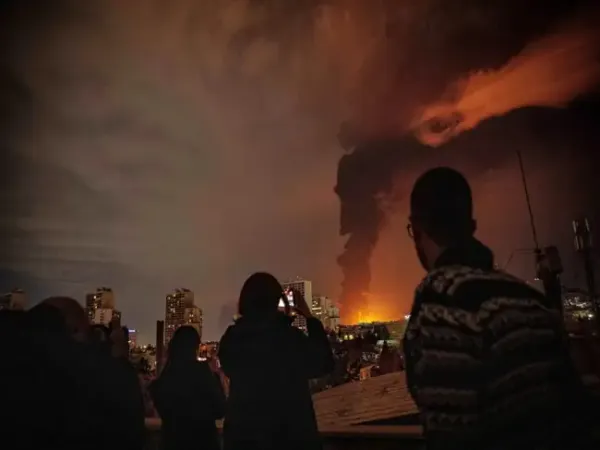
The development came after a strike hit Bahrain’s major Al-Ma’ameer oil facility, sparking a fire and causing material damage at the complex. According to state media, emergency teams rushed to the site and brought the situation under control.
“Outbreak of a fire due to the Iranian aggression targeting a facility in Al Ma’ameer, with material damage reported but no casualties recorded, and the competent authorities have begun firefighting procedures,” Bahrain News Agency said in a post on X. The incident is the latest in a series of attacks on energy infrastructure across the Gulf as tensions escalate in the wider conflict involving Iran, Israel, and the United States.
The growing disruptions have already rattled global energy markets. Brent crude, the international benchmark, surged past $114 a barrel on Monday — roughly 60 percent higher than the levels seen when Israel and the United States first launched strikes on Iran.
What is force majeure?
Force majeure is a legal term that refers to unforeseeable events beyond the control of parties that prevent them from fulfilling a contract. Force majeure covers extraordinary situations that cannot be avoided and includes natural disasters (earthquakes, floods), wars, pandemics, strikes, or government actions. When a force majeure event occurs, the affected party may delay, suspend, or avoid contractual obligations without penalty. In simple language, force majeure protects parties when something unexpected and uncontrollable and stops them from performing their contractual duties.Can force majeure disrupt oil supply?
Yes, force majeure might disrupt oil supply but the impact depends on the scale of the disruption and how long it lasts. Bahrain’s state-owned oil company Bapco's declaration of force majeure comes at a high when crude oil prices have surged $100 a barrel for the first time since 2022.ALSO READ: Harvard and AIIMS gastroenterologist Dr Saurabh Sethi ranks top nine egg-free protein-rich breakfasts for a healthy start to your day
What happens when an oil company declares force majeure
Force majeure allows a company to suspend or delay contractual obligations when extraordinary events (war, attacks, disasters) prevent normal operations. This means the company may not be able to deliver oil shipments promised to buyers until the situation stabilizes.Bahrain’s state energy firm Bapco Energies declared force majeure after an Iranian strike damaged its refinery complex. The declaration means the company cannot guarantee scheduled oil shipments due to the attack and operational disruption. However, the company said domestic supply would continue and contingency plans were activated.
Petronet LNG also issued a force majeure notice to QatarEnergy regarding its LNG tankers Disha, Raahi and Aseem due to security risks in the region and difficulties navigating the Strait of Hormuz. The company also noted that “acts of war” are excluded under its business interruption insurance cover.
According to Reuters, Mangalore Refinery and Petrochemicals also declared force majeure on gasoline export for the months of March and April, owing to disruption to crude imports from the Gulf. Gujarat Gas had also mentioned that it would invoke this clause owing to constraints in the availability of regasified LNG. It mentioned that "acts of war" are not covered by insurance.
ALSO READ: RRB NTPC Admit Card 2026 released at rrb.digialm.com: Check steps to download city intimation slip, CBT examination dates and more
Does it affect global oil supply?
Potentially, yes. If shipments are delayed or reduced, buyers may need to source oil from other producers. Such disruptions can push oil prices higher and create market volatility, especially during geopolitical conflicts.Force majeure itself doesn’t always stop oil production permanently, but it signals that deliveries may be delayed or reduced, which can temporarily disrupt supply and influence global oil prices.
Force majeure clause
Amid the ongoing war in the Middle East, Bahrain's state oil company declared force majeure and said domestic market needs remain fully secured and supplies will continue without disruption, supported by proactive contingency plans.It said the company's operations “have been affected by the ongoing regional conflict in the West Asia and the recent attack on its refinery complex.” It insisted that local demand could still be met.
ALSO READ: 80,000 watched live as Anurag Dobhal aka UK07 Rider crashes SUV into divider; YouTuber revealed he 'survived five days without food'
The development came after a strike hit Bahrain’s major Al-Ma’ameer oil facility, sparking a fire and causing material damage at the complex. According to state media, emergency teams rushed to the site and brought the situation under control.
“Outbreak of a fire due to the Iranian aggression targeting a facility in Al Ma’ameer, with material damage reported but no casualties recorded, and the competent authorities have begun firefighting procedures,” Bahrain News Agency said in a post on X. The incident is the latest in a series of attacks on energy infrastructure across the Gulf as tensions escalate in the wider conflict involving Iran, Israel, and the United States.
The growing disruptions have already rattled global energy markets. Brent crude, the international benchmark, surged past $114 a barrel on Monday — roughly 60 percent higher than the levels seen when Israel and the United States first launched strikes on Iran.