
Listen to this article in summarized format
Loading...
××
Subscribe to

Unlock AI Briefing and Premium Content
New Year Offer 24 Hours Left
Subscribe NowAlready a member? Sign In
What's Included
- Exclusive Stories
- Daily ePaper Access
- Smart Market Tools
- Curated Investment Ideas
- Ad-lite Experience
Subscription

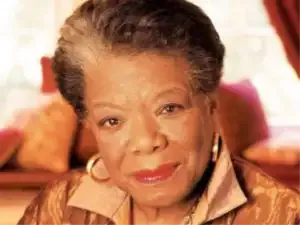
Quote of the day by Maya Angelou: Sometimes a single sentence can make us pause and see things differently. Quotes often have that quiet power. They capture complex emotions and ideas in just a few words, helping us understand experiences that many people share. In a world that rarely slows down, reflecting on a thoughtful quote can offer a brief moment of clarity. It can remind us to be more empathetic, more patient, and more aware of how our actions affect others.
“Hate, it has caused a lot of problems in the world, but has not solved one yet,” as per a Goodreads report.
But Angelou’s quote reminds us that hatred rarely leads to meaningful solutions. Instead, it tends to deepen divisions and prolong suffering.
Angelou’s message suggests that reacting with hatred only pushes people further apart, making understanding and resolution more difficult.
Holding on to hatred can also take a personal toll. It can damage relationships, cloud judgment, and affect emotional well-being. Angelou’s words gently encourage readers to pause and reflect on their reactions and emotions.
In many ways, Angelou’s words are a reminder that progress often begins with understanding. Choosing empathy over hostility can break cycles of negativity and open the door to stronger connections and lasting solutions.
At the age of sixteen, she gave birth to her son, Guy Johnson. Many of these early experiences later shaped her autobiographical writing.
As a young adult, Angelou moved to San Francisco and worked various jobs, including as a cocktail waitress, dancer, cook, and madam. She later adopted the professional name “Maya Angelou,” combining her childhood nickname with a variation of her first husband’s surname, according to Britannica.
Her artistic journey eventually took her to New York City, where she found encouragement from the Harlem Writers Guild. During this time, she also toured internationally with the production Porgy and Bess. Angelou studied dance with Martha Graham and Pearl Primus and performed in Jean Genet’s play The Blacks, according to Britannica.
She also appeared in several well-known productions, including the television miniseries Roots (1977) and films such as Poetic Justice (1993) and How to Make an American Quilt (1995).
In theater, Angelou received a Tony Award nomination for her performance in Look Away (1973). She later directed the film Down in the Delta (1998). Her life and achievements were later explored in the documentary Maya Angelou and Still I Rise (2016), according to Britannica.
Quote of the Day Today: Maya Angelou’s Powerful Words on Hate
Quote of the day by Maya Angelou:“Hate, it has caused a lot of problems in the world, but has not solved one yet,” as per a Goodreads report.
Quote of the Day March 11: Understanding the Meaning Behind Maya Angelou’s Words
Maya Angelou’s words offer a simple but powerful observation about the nature of hatred. Hate often feels intense and justified in the moment. It can create the illusion of strength or control, making people believe their anger is a necessary response.But Angelou’s quote reminds us that hatred rarely leads to meaningful solutions. Instead, it tends to deepen divisions and prolong suffering.
Quote of the Day by Maya Angelou: Why Hate Creates Problems but Never Solutions
Looking back through history, it becomes clear that hatred has fueled many conflicts. Wars, discrimination, and social divisions have often grown out of resentment and anger. Rather than solving problems, these emotions frequently create long cycles of pain that affect individuals, communities, and entire societies.Angelou’s message suggests that reacting with hatred only pushes people further apart, making understanding and resolution more difficult.
Quote of the Day: Why Empathy, Dialogue, and Cooperation Are Essential for Solutions
Instead of hate, real solutions often come from empathy, conversation, and cooperation. When people are willing to listen and understand one another, the chances of finding common ground increase.Holding on to hatred can also take a personal toll. It can damage relationships, cloud judgment, and affect emotional well-being. Angelou’s words gently encourage readers to pause and reflect on their reactions and emotions.
Quote of the Day: How Maya Angelou’s Quote Encourages Compassion and Understanding
The quote invites us to consider different responses to conflict—responses built on compassion, forgiveness, and communication. These approaches may not always be easy, but they are far more likely to create positive change.In many ways, Angelou’s words are a reminder that progress often begins with understanding. Choosing empathy over hostility can break cycles of negativity and open the door to stronger connections and lasting solutions.
Who Was Maya Angelou - A Look at Her Life and Legacy
Maya Angelou (April 4, 1928 - May 28, 2014) was known around the world as a poet, memoirist, and actress. Through her work, she explored themes such as economic inequality, racial injustice, and personal struggle. Over time, her voice became one that resonated across generations.The Story Behind I Know Why the Caged Bird Sings
Her most widely known work, I Know Why the Caged Bird Sings (1969), tells the story of growing up under Jim Crow laws in the American South. The memoir was widely praised for its honesty and emotional depth, and it received a National Book Award nomination in 1970, according to Britannica. The book remains an important work in African American literature.How Maya Angelou Turned Personal Pain Into Powerful Literature
Angelou was born Marguerite Johnson in St. Louis, Missouri, but spent much of her childhood in Stamps, Arkansas, with her grandmother, Annie Henderson. Her parents separated when she was young. According to Britannica, a traumatic experience during her childhood left her nearly mute for several years.At the age of sixteen, she gave birth to her son, Guy Johnson. Many of these early experiences later shaped her autobiographical writing.
As a young adult, Angelou moved to San Francisco and worked various jobs, including as a cocktail waitress, dancer, cook, and madam. She later adopted the professional name “Maya Angelou,” combining her childhood nickname with a variation of her first husband’s surname, according to Britannica.
Her artistic journey eventually took her to New York City, where she found encouragement from the Harlem Writers Guild. During this time, she also toured internationally with the production Porgy and Bess. Angelou studied dance with Martha Graham and Pearl Primus and performed in Jean Genet’s play The Blacks, according to Britannica.
Maya Angelou’s Contributions to Film, Television, and Culture
Angelou’s creative work extended far beyond writing. She created the television series Black, Blues, Black in 1968 and later became one of the first African American women to have a feature film screenplay produced with Georgia, Georgia (1972).She also appeared in several well-known productions, including the television miniseries Roots (1977) and films such as Poetic Justice (1993) and How to Make an American Quilt (1995).
In theater, Angelou received a Tony Award nomination for her performance in Look Away (1973). She later directed the film Down in the Delta (1998). Her life and achievements were later explored in the documentary Maya Angelou and Still I Rise (2016), according to Britannica.
Iconic Quotes by Maya Angelou
Angelou’s words continue to resonate with readers around the world. Some of her well-known quotes include:- “When someone shows you who they are, believe them the first time,” as per a BrainyQuote report.
- “We may encounter many defeats but we must not be defeated,” as per a BrainyQuote report.
- “The truth is, no one of us can be free until everybody is free,” as per a BrainyQuote report.
- “I have great respect for the past. If you don't know where you've come from, you don't know where you're going. I have respect for the past, but I'm a person of the moment. I'm here, and I do my best to be completely centered at the place I'm at, then I go forward to the next place,” as per a BrainyQuote report.
( Originally published on Mar 11, 2026 )