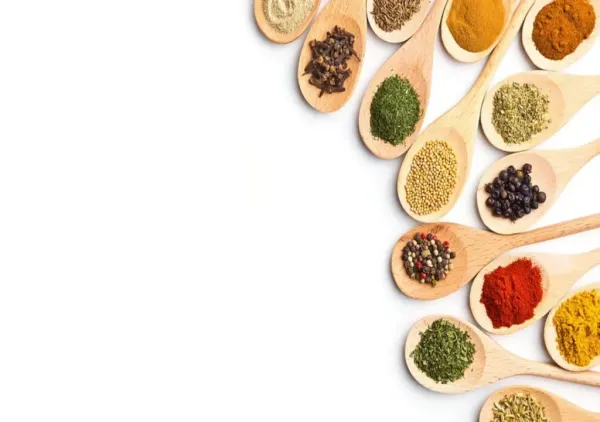
Mangaluru: Getting the most out of spices is not just about what you add to a dish, but when you add it. From whole spices to powdered blends and fresh herbs, timing plays a crucial role in unlocking the full flavour of ingredients in Indian cooking.
Understanding this sequence can transform an average dish into an aromatic and well-balanced one, ensuring that no ingredient is overcooked, burnt or underutilised.
Start with whole spices: the art of blooming
Whole spices such as cardamom, cinnamon and bay leaf should ideally be added at the very beginning of the cooking process.
When these spices are introduced into hot oil, butter or ghee, they release essential oils that enhance the aroma and depth of the dish. This technique is known as “blooming” and is a foundational step in many Indian recipes.
Blooming helps build the base flavour, allowing the spices to infuse the cooking medium and, in turn, the entire dish.
Add powdered spices mid-way
Powdered spices require a different approach. Adding them too early, especially into very hot oil, can cause them to burn quickly, leading to a bitter taste.
Spice blends such as garam masala or ground turmeric, chilli powder and coriander powder are best added during the middle stage of cooking—after the base ingredients like onions or tomatoes have softened.
Cooking powdered spices briefly in oil at this stage ensures they lose any raw flavour while still retaining their aroma. This step also allows the spices to blend evenly into the dish without overpowering it.
Fresh herbs go last
Aromatic herbs such as coriander, mint, parsley and dill are best added at the end of cooking.
These herbs are delicate and tend to lose their fragrance and freshness if cooked for too long. Adding them just before serving helps preserve their vibrant flavour and colour, giving the dish a fresh finish.
This final touch often enhances both taste and presentation.
Exceptions to the rule
Not all herbs behave the same way. Hardier herbs like rosemary, sage and oregano release their flavours slowly and can be added at the beginning of cooking.
These herbs can withstand longer cooking times and gradually infuse the dish, making them suitable for stews, roasts and slow-cooked recipes.
A simple rule to follow
For best results, home cooks can follow a simple sequence:
- Whole spices and dried herbs at the beginning
- Powdered spices during the middle stage
- Fresh herbs at the end
This method ensures that each ingredient contributes optimally without losing its essence.
Conclusion
Mastering the timing of adding masalas is a small but powerful step towards improving everyday cooking. By understanding how different spices and herbs behave under heat, one can create dishes that are richer in aroma, balanced in flavour and more enjoyable overall.
Whether you are preparing a simple curry or an elaborate meal, following this approach can make a noticeable difference in the final outcome.
-
'Fresh and radiant skin' promise with Home Bargains £3 beauty deal

-
'Fresh and radiant skin' promise with Home Bargains £3 beauty deal

-
'Fresh and radiant skin' promise with Home Bargains £3 beauty deal
-
'I quit my corporate job - now I make £50,000 a year assembling flat-pack furniture'

-
'I quit my corporate job - now I make £50,000 a year assembling flat-pack furniture'