Many people visit a doctor only when something feels wrong. A persistent cough, unusual fatigue, or sudden pain usually prompts an appointment. But in everyday practice, doctors often see patients whose health issues could have been detected much earlier through routine screening. By the time symptoms appear, the problem may already have progressed.
Preventive health check-ups are designed to catch medical conditions early, sometimes years before they cause noticeable symptoms. For several common diseases, early detection can make treatment simpler, safer, and far more effective.
Many Conditions Stay Silent For Years
A number of common health problems develop quietly. High blood pressure, diabetes, high cholesterol, and certain thyroid disorders often progress without obvious warning signs. Patients frequently feel perfectly fine until complications begin to appear.
For example, someone may discover they have high blood pressure only after experiencing headaches, vision changes, or heart-related concerns. In reality, the condition may have been present for years. Routine check-ups can pick up these problems early, giving doctors time to treat them or suggest lifestyle changes before any real harm is done.
Small Numbers Can Reveal Big Clues
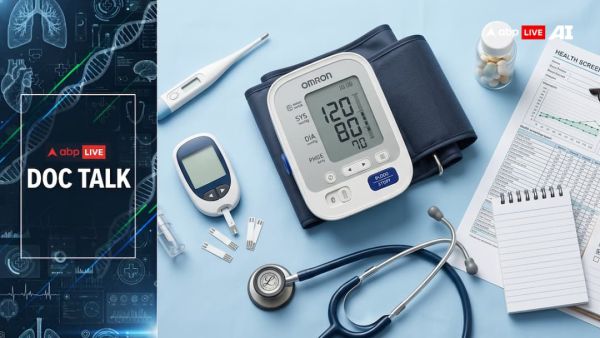
Most preventive check-ups are fairly basic. A doctor may check blood pressure, order routine blood tests, and sometimes suggest a scan depending on age or risk. It simply gives a snapshot of how the body is doing.
A slightly elevated blood sugar level, borderline cholesterol, or mild vitamin deficiency might seem minor. However, these early signals give doctors the opportunity to intervene before the condition worsens. In many cases, lifestyle changes, improving diet, increasing physical activity, managing stress, and correcting nutritional gaps, can reverse early problems.
Lifestyle Changes Work Best When Started Early
One of the biggest advantages of preventive health care is the chance to act early. When diseases are detected in their initial stages, lifestyle changes often make a meaningful difference.
For instance, someone found to have prediabetes may be able to bring their blood sugar levels back to normal with weight management, regular exercise, and healthier eating habits. In the same way, high cholesterol found early can often be brought down with better eating habits and regular activity, without needing medicines.
The earlier these steps begin, the easier they are to maintain.
Health Check-ups Are Not Just For Older Adults
Many people believe routine screening becomes important only later in life. In practice, adults in their 30s and 40s can benefit a lot from periodic health checks. Long working hours, sedentary habits, stress, and irregular meals have made metabolic and heart-related problems appear earlier than many expect.
Regular check-ups also create a record over time. When doctors compare new reports with older ones, small changes in health are easier to notice.
Investing In Health Before Problems Begin
Preventive care is really about keeping people well in the long run. When symptoms are ignored until they become obvious, treatment is often more complicated, more expensive, and sometimes riskier.
One health check a year can go a long way. It gives doctors a chance to notice small problems early and deal with them before they grow.
Disclaimer: The information provided in the article is shared by experts and is intended for general informational purposes only. It is not a substitute for professional medical advice, diagnosis, or treatment. Always seek the advice of your physician or other qualified healthcare provider with any questions you may have regarding a medical condition.
-
Do you agree as soon as you cry? This mistake is making the child stubborn

-
Today’s Horoscope 18 March: The luck of these 4 zodiac signs will shine on Wednesday! Know whose luck will open from Aries to Pisces

-
Summer Superfood: 4 Benefits of Eating Cucumber That Will Keep You Fit and Protect You from the Heat!

-
A Mom Checks Her Kids Out Of School For Any Reason They Want

-
BP-sugar is the biggest cause of kidney diseases, know how to prevent it.