Nonthermal electrons explain solar heating puzzle
NewsBytes | March 18, 2026 7:40 PM CST
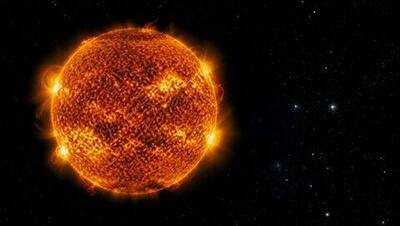
More high-energy nonthermal electrons weaken pressure waves
The team found that when there are more high-energy nonthermal electrons, they weaken the usual pressure waves (p-modes) in solar plasma.
This shift redistributes acoustic energy upward, which may help power spicules, microspicules and atmospheric waves and contribute to heating the Sun's chromosphere and corona.
To back up their theory, researchers built a model showing how energy fades due to atmospheric and magnetic effects—and it matched real data from NASA and Japan's space telescopes.
This brings us a step closer to understanding how our star works and could even help with future tech that relies on solar science.
READ NEXT
-
Two symptoms keeping you up at night could be cancer

-
IPL 2026: Time to deliver for Riyan Parag as fulltime Royals captain

-
Shocking Case of Bride Sale in Varanasi: Young Woman Escapes Forced Marriage

-
The world's longest cave that's 400 miles long and still growing

-
MP pushes for inter-state economic ties with Rajasthan