Why is the Fed meeting expected to hold interest rates steady despite inflation pressure?
Fed meeting today: The oil price spike and Fed interest rate decision are now at the center of global financial attention, as crude prices nearing $100 per barrel threaten to reshape monetary policy. With inflation still above the 2% target and consumer spending making up nearly 70% of US economic growth, the Federal Reserve faces a complex dilemma. Should it hold rates steady, cut them, or prepare for further tightening? Early signals suggest one clear answer: rates are likely to stay on hold—but internal divisions are widening fast.
Markets are already pricing in a 98.9% probability of no rate change, signaling strong consensus. But the real story isn’t the decision—it’s the uncertainty ahead.
At the heart of this debate is how the oil shock—triggered by geopolitical tensions involving Iran—will affect inflation and growth. While Fed Chair Jerome Powell has previously indicated that rates are near “neutral,” rising energy prices are complicating that outlook. The key question now is whether this is a temporary supply shock or the start of a longer inflationary cycle. Markets, for now, are betting heavily on caution, with expectations of rate cuts pushed back to the end of the year.
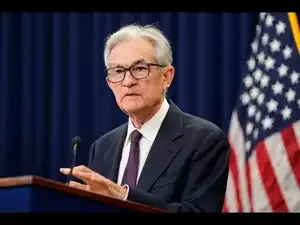
The Fed meeting rate decision will be announced on Wednesday, March 18, 2026, at 2:00 PM ET, followed by Federal Reserve Chair Jerome Powell’s press conference at 2:30 PM ET.
The biggest takeaway from this Fed meeting is stability. Despite inflation concerns, the Federal Reserve is expected to pause.
The reason is simple but complex in impact. Inflation remains elevated, largely due to rising oil prices triggered by the Iran-related conflict. At the same time, the labor market is cooling. The job openings-to-unemployed ratio has dropped to 0.9x, down sharply from previous levels. While still above the long-term average of 0.7x, the decline signals weakening demand for workers.
However, policymakers often distinguish between headline inflation and core inflation, which excludes volatile items like energy. Historically, supply-driven oil shocks do not always lead to sustained core inflation. But they can weaken economic growth by reducing consumer spending power.
This creates a policy dilemma. If the Fed raises rates to fight inflation, it risks slowing growth further. If it cuts rates to support the economy, it may allow inflation to persist. That tension is exactly why divisions within the Fed are becoming more visible this week.
On the other hand, some economists argue that high oil prices pose a greater threat to growth than inflation. Rising fuel costs act like a tax on consumers, leaving them with less money to spend elsewhere. This could slow down economic momentum, especially if prices remain elevated for several months.
Former policymakers and analysts are split. Some believe the Fed should stay cautious and delay rate cuts. Others argue that weakening economic indicators, including a potentially fragile labor market, justify easing policy sooner. This disagreement is expected to show up clearly in the Fed’s upcoming “dot plot” projections.
Statements from Donald Trump have added to the unpredictability. While he has suggested the conflict could end soon, he has also indicated that military operations may continue. This mixed messaging leaves markets guessing about how long oil prices will remain elevated.
If oil stays near $100 per barrel for an extended period—such as three months—it could significantly slow economic growth and even raise recession risks. Short-term spikes are less concerning, but prolonged increases tend to have deeper economic consequences.
For the Fed, this means waiting for clarity. Acting too quickly could backfire if the situation stabilizes. But waiting too long could allow economic weakness to deepen.
Traders are no longer pricing in near-term rate cuts, with expectations shifting toward December. This reflects the uncertainty surrounding both inflation and growth. The Fed is likely to adopt a “wait-and-see” approach, balancing upside risks to inflation against downside risks to economic activity.
The upcoming dot plot will provide further insight into how divided policymakers are. Analysts expect a wide range of projections, highlighting just how uncertain the outlook has become. Some officials may still anticipate rate cuts this year, while others could push expectations into 2027.
Stocks react not just to decisions but to expectations. If the Fed confirms what markets already expect, reactions may be muted. But any surprise in tone—especially about inflation or growth—can trigger volatility.
Mortgage rates, however, don’t directly follow the Fed. They are tied more closely to long-term Treasury yields. That’s why mortgage rates haven’t dropped sharply despite earlier expectations of easing.
For consumers, the impact is mixed. Savings account rates remain modest, with averages around 0.39%, while high-yield options hover near 4%. Checking accounts offer minimal returns at about 0.07%.
Borrowing costs, including credit cards and loans, also remain relatively high due to elevated interest rates. This means the outcome of each Fed meeting directly affects household finances, even without a rate change.
Will inflation rise further due to oil shocks, or stabilize in the coming months? Can the labor market remain resilient despite slowing hiring trends? And most importantly, when will the Federal Reserve begin cutting rates?
Current market expectations suggest no cuts until late 2026. But that timeline could shift quickly depending on economic data.
Another key concern is whether the Fed can achieve a “soft landing”—reducing inflation without triggering a recession. The declining job openings ratio and rising energy prices suggest the margin for error is narrowing.
Ultimately, this Fed meeting reinforces one message: uncertainty is high, and policy will remain data-dependent.
If consumer spending slows significantly, the broader economy could weaken. This is why some economists argue that the Fed should focus more on supporting growth rather than strictly controlling inflation in the current environment.
However, the Fed’s dual mandate—maximum employment and stable prices—means it cannot ignore inflation risks entirely. This balancing act is what makes the current policy environment so challenging.
The ongoing oil price spike has significantly reduced the likelihood of immediate Fed rate cuts, as rising energy costs can push headline inflation higher and complicate policy decisions. With inflation still above the 2% target, the Federal Reserve is expected to remain cautious and keep interest rates steady in the short term. Market expectations already suggest that any potential rate cuts may be delayed until late 2026 if oil prices remain elevated.
2. How does the oil price spike impact inflation and economic growth outlook?
The oil price spike tends to increase short-term inflation by raising fuel, transport, and production costs across the economy. However, data and economic research suggest that prolonged high oil prices can slow consumer spending and weaken overall economic growth. This creates a balancing challenge for the Fed, as the same oil shock can simultaneously raise inflation risks while increasing the chances of an economic slowdown.
Markets are already pricing in a 98.9% probability of no rate change, signaling strong consensus. But the real story isn’t the decision—it’s the uncertainty ahead.
At the heart of this debate is how the oil shock—triggered by geopolitical tensions involving Iran—will affect inflation and growth. While Fed Chair Jerome Powell has previously indicated that rates are near “neutral,” rising energy prices are complicating that outlook. The key question now is whether this is a temporary supply shock or the start of a longer inflationary cycle. Markets, for now, are betting heavily on caution, with expectations of rate cuts pushed back to the end of the year.
The Fed meeting rate decision will be announced on Wednesday, March 18, 2026, at 2:00 PM ET, followed by Federal Reserve Chair Jerome Powell’s press conference at 2:30 PM ET.
Fed meeting today: Why is the oil price spike influencing Fed interest rate decisions so strongly?
The oil price spike and Fed interest rate decision are deeply connected because energy costs ripple across the entire economy. When oil prices surge, transportation, manufacturing, and food costs rise quickly. This feeds into headline inflation, which the Fed closely monitors.The biggest takeaway from this Fed meeting is stability. Despite inflation concerns, the Federal Reserve is expected to pause.
The reason is simple but complex in impact. Inflation remains elevated, largely due to rising oil prices triggered by the Iran-related conflict. At the same time, the labor market is cooling. The job openings-to-unemployed ratio has dropped to 0.9x, down sharply from previous levels. While still above the long-term average of 0.7x, the decline signals weakening demand for workers.
However, policymakers often distinguish between headline inflation and core inflation, which excludes volatile items like energy. Historically, supply-driven oil shocks do not always lead to sustained core inflation. But they can weaken economic growth by reducing consumer spending power.
This creates a policy dilemma. If the Fed raises rates to fight inflation, it risks slowing growth further. If it cuts rates to support the economy, it may allow inflation to persist. That tension is exactly why divisions within the Fed are becoming more visible this week.
Are Fed officials divided over inflation risks or economic growth concerns?
Yes, and the divide is becoming sharper as the oil price spike and Fed interest rate decision dominate discussions. Some officials remain concerned about sticky inflation, which has stayed above the Fed’s 2% target for over five years. The latest core inflation reading stands at 3.1%, signaling that price pressures remain persistent.On the other hand, some economists argue that high oil prices pose a greater threat to growth than inflation. Rising fuel costs act like a tax on consumers, leaving them with less money to spend elsewhere. This could slow down economic momentum, especially if prices remain elevated for several months.
Former policymakers and analysts are split. Some believe the Fed should stay cautious and delay rate cuts. Others argue that weakening economic indicators, including a potentially fragile labor market, justify easing policy sooner. This disagreement is expected to show up clearly in the Fed’s upcoming “dot plot” projections.
How could the Iran conflict impact the Fed’s rate outlook in 2026?
The geopolitical angle is critical in shaping the oil price spike and Fed interest rate decision narrative. The ongoing tensions involving Iran have disrupted oil supply expectations, pushing prices higher and increasing uncertainty.Statements from Donald Trump have added to the unpredictability. While he has suggested the conflict could end soon, he has also indicated that military operations may continue. This mixed messaging leaves markets guessing about how long oil prices will remain elevated.
If oil stays near $100 per barrel for an extended period—such as three months—it could significantly slow economic growth and even raise recession risks. Short-term spikes are less concerning, but prolonged increases tend to have deeper economic consequences.
For the Fed, this means waiting for clarity. Acting too quickly could backfire if the situation stabilizes. But waiting too long could allow economic weakness to deepen.
Will the Fed hold rates steady or signal future cuts amid oil price volatility?
Current market expectations strongly suggest that the oil price spike and Fed interest rate decision will result in a rate hold this week. The benchmark rate is expected to remain in the 3.5% to 3.75% range.Traders are no longer pricing in near-term rate cuts, with expectations shifting toward December. This reflects the uncertainty surrounding both inflation and growth. The Fed is likely to adopt a “wait-and-see” approach, balancing upside risks to inflation against downside risks to economic activity.
The upcoming dot plot will provide further insight into how divided policymakers are. Analysts expect a wide range of projections, highlighting just how uncertain the outlook has become. Some officials may still anticipate rate cuts this year, while others could push expectations into 2027.
How does the Fed meeting impact stocks, mortgages, and everyday finances?
Even when rates don’t change, a Fed meeting can move markets significantly.Stocks react not just to decisions but to expectations. If the Fed confirms what markets already expect, reactions may be muted. But any surprise in tone—especially about inflation or growth—can trigger volatility.
Mortgage rates, however, don’t directly follow the Fed. They are tied more closely to long-term Treasury yields. That’s why mortgage rates haven’t dropped sharply despite earlier expectations of easing.
For consumers, the impact is mixed. Savings account rates remain modest, with averages around 0.39%, while high-yield options hover near 4%. Checking accounts offer minimal returns at about 0.07%.
Borrowing costs, including credit cards and loans, also remain relatively high due to elevated interest rates. This means the outcome of each Fed meeting directly affects household finances, even without a rate change.
What are the key questions markets are asking after this Fed meeting?
This Fed meeting leaves investors with several critical questions.Will inflation rise further due to oil shocks, or stabilize in the coming months? Can the labor market remain resilient despite slowing hiring trends? And most importantly, when will the Federal Reserve begin cutting rates?
Current market expectations suggest no cuts until late 2026. But that timeline could shift quickly depending on economic data.
Another key concern is whether the Fed can achieve a “soft landing”—reducing inflation without triggering a recession. The declining job openings ratio and rising energy prices suggest the margin for error is narrowing.
Ultimately, this Fed meeting reinforces one message: uncertainty is high, and policy will remain data-dependent.
If consumer spending slows significantly, the broader economy could weaken. This is why some economists argue that the Fed should focus more on supporting growth rather than strictly controlling inflation in the current environment.
However, the Fed’s dual mandate—maximum employment and stable prices—means it cannot ignore inflation risks entirely. This balancing act is what makes the current policy environment so challenging.
FAQs:
1. Will the oil price spike delay Fed rate cuts in 2026?The ongoing oil price spike has significantly reduced the likelihood of immediate Fed rate cuts, as rising energy costs can push headline inflation higher and complicate policy decisions. With inflation still above the 2% target, the Federal Reserve is expected to remain cautious and keep interest rates steady in the short term. Market expectations already suggest that any potential rate cuts may be delayed until late 2026 if oil prices remain elevated.
2. How does the oil price spike impact inflation and economic growth outlook?
The oil price spike tends to increase short-term inflation by raising fuel, transport, and production costs across the economy. However, data and economic research suggest that prolonged high oil prices can slow consumer spending and weaken overall economic growth. This creates a balancing challenge for the Fed, as the same oil shock can simultaneously raise inflation risks while increasing the chances of an economic slowdown.