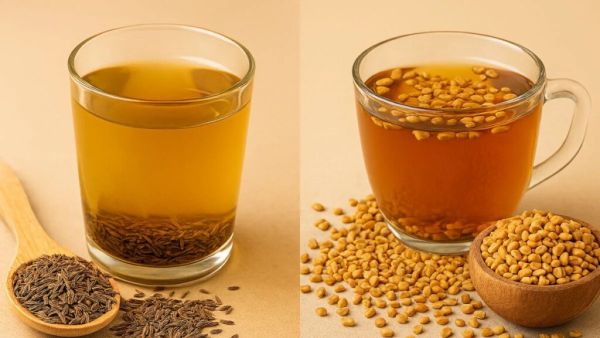
Natural home remedies often find a place in our routines long before we understand how they truly work. Jeera water and fenugreek water are two such favourites, widely used by people hoping to support their blood sugar levels naturally. Both drinks come from ingredients that have been trusted for generations, and both are simple enough to prepare at home. Yet when it comes to lowering or stabilizing blood sugar, the two do not function in the same way. This leads many to wonder which one genuinely offers the most reliable support. If you’re also unsure about which drink fits your needs better, this article breaks down the science behind each one so you can make an informed choice.
Health Benefits Of Jeera Water For Blood Sugar Control
1. May Improve Insulin Sensitivity
Cumin’s anti-diabetic potential has been highlighted in a clinical trial published in Food Science & Nutrition in 2017, which tested cumin essential oil in adults with type 2 diabetes and found significant reductions in fasting blood sugar and HbA1c levels. This suggests that cumin may enhance insulin sensitivity, helping the body use glucose more effectively.
2. Supports Smoother Digestion
Jeera stimulates digestive enzymes, a benefit noted in multiple studies summarized in a review by the International Journal of Medical Research & Health Sciences (2023). Better digestion helps slow the release of glucose into the bloodstream, preventing abrupt spikes after meals.
3. May Reduce Inflammation Linked To High Blood Sugar
Chronic inflammation has long been associated with insulin resistance. Cumin’s antioxidant properties help reduce oxidative stress, which in turn supports healthier metabolic function. This can create a more favorable environment for stable blood glucose.
4. Helps Moderate Post-Meal Sugar Spikes
Studies indicate that cumin may delay the breakdown of carbohydrates. By slowing digestion, jeera water helps avoid rapid increases in blood sugar after eating, especially when meals are rich in starches or refined grains.
5. Aids Hydration And Metabolic Balance
Warm jeera water hydrates the body and gently boosts metabolic processes. This can indirectly support blood sugar balance, particularly when consumed in the morning as part of a consistent routine.
Health Benefits Of Fenugreek Water For Blood Sugar Control
1. Rich In Soluble Fiber That Regulates Glucose Absorption
Fenugreek seeds are particularly high in soluble fibre, especially galactomannan. This forms a gel-like substance in the gut and slows glucose absorption. A systematic review and meta-analysis of 14 clinical trials found that fenugreek consumption significantly reduced HbA1c and fasting glucose levels in individuals with diabetes.
2. Contains Compounds That Mimic Insulin Activity
Fenugreek contains 4-hydroxyisoleucine, a compound known to support insulin secretion in some individuals. This can help lower circulating blood sugar more effectively when taken consistently. Evidence from animal studies also suggests fenugreek’s soluble fiber improves insulin action by delaying carbohydrate digestion and enhancing peripheral glucose use.
3. Helps Reduce Cravings And Prevent Overeating
Fenugreek water increases satiety due to its high fiber content. Feeling fuller for longer can help reduce snacking, which plays an important role in preventing unexpected sugar fluctuations throughout the day.
4. Supports Better Lipid Profile Along with Sugar Control
The British Journal of Nutrition study also reported reductions in atherogenic lipids (triglycerides, LDL, total cholesterol) in diabetic rats, showing that fenugreek offers wider metabolic benefits beyond glucose control.
5. Potential To Improve Fasting Blood Sugar
Because of its slow-release effect on digestion and glucose absorption, many people notice improvements in fasting glucose levels when fenugreek water is taken regularly on an empty stomach.

Photo Credit: Canva
So, Which Is Better For Blood Sugar Control: Jeera Water Or Methi Water?
Both jeera and fenugreek water offer significant benefits for blood sugar regulation, but they work differently. Jeera water is excellent for improving digestion, reducing inflammation and helping moderate post-meal glucose spikes. Fenugreek water, on the other hand, has stronger evidence behind it when it comes to lowering fasting glucose and HbA1c, thanks to its high soluble fiber content and insulin-supporting compounds.
If you want gentle, digestive-friendly support, jeera water is a great daily choice. If your goal is more targeted blood sugar control, particularly for fasting levels, fenugreek water may have a slight edge. Ultimately, both drinks can be part of a balanced routine.
-
Not laziness, the mantra of health! From memory to concentration… learn the scientific benefits of Vamkukshi

-
The wonder of dry ginger! 6 diseases will go away with weight control
-
Yoga Tips: Do this one yoga asana daily for just 5 minutes; Bones will become strong, mind will remain calm and active.

-
Small role, big bang: ‘Dhurandhar’ changed the fate of not only Akshay Khanna but also these 6 unknown artists; Now waiting for part-2

-
Give a special touch of AI to Gudipadya! Create your traditional photos with Google Gemini, these are the viral prompts