India’s Ministry of External Affairs (MEA) has expressed strong concern over the recent wave of attacks targeting energy infrastructure in the Gulf region, describing them as “deeply disturbing” and unacceptable. In a statement released on March 19, 2026, MEA spokesperson Randhir Jaiswal responded to media queries amid escalating hostilities that have disrupted critical oil and gas facilities across multiple countries.
Jaiswal reiterated India’s longstanding position against targeting civilian infrastructure, including energy installations. “India had previously called for the avoidance of targeting civilian infrastructure, including energy infrastructure, across the region,” he said. He highlighted that the recent attacks on energy installations in different locations are “deeply disturbing” and only serve to further destabilize an already uncertain global energy scenario. “Such attacks are unacceptable and need to cease,” he emphasized.
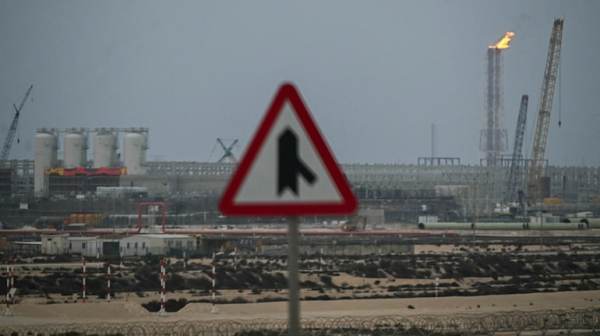
The remarks come against the backdrop of a rapidly intensifying conflict involving Iran, Israel, and the United States, which has spilled over into the Gulf. Reports indicate that Iranian forces have launched retaliatory strikes on key energy sites following attacks on Iran’s own facilities, such as the South Pars gas field—one of the world’s largest shared with Qatar. Targets have included Qatar’s Ras Laffan Industrial City (a major LNG export hub), UAE’s Habshan gas facilities and Bab field, Saudi Arabia’s refineries like SAMREF and Jubail, and others in Bahrain and beyond. These incidents, involving missiles, drones, and direct hits, have caused fires, production halts, and significant damage, pushing Brent crude prices sharply higher and threatening global supply chains through the Strait of Hormuz.
The Gulf region supplies a substantial portion of the world’s oil and liquefied natural gas, making these attacks particularly alarming for energy security. Disruptions could exacerbate volatility in international markets, already strained by the broader West Asia conflict.
India, with deep economic ties to the Gulf—including millions of expatriates, substantial energy imports, and trade partnerships—has consistently advocated for restraint and diplomacy. The MEA’s statement underscores New Delhi’s call for de-escalation to protect civilian assets and prevent wider instability. By condemning these actions without assigning blame to specific parties, India maintains its balanced approach, urging all sides to prioritize dialogue over military escalation.
As the situation evolves, the international community watches closely, with fears that continued targeting of energy infrastructure could lead to severe humanitarian, environmental, and economic consequences worldwide.
-
Manish Malhotra's mother passes away at 94, Bollywood lines up to mourn the loss

-
Man Utd double injury boost confirmed as Michael Carrick receives good news

-
Tragic Discovery: Missing American Student Found Dead in Barcelona

-
Wisconsin Senate Majority Leader Devin LeMahieu Announces Retirement

-
Punjab Kings Gear Up for IPL 2025 with Strong Team Spirit and New Mascot