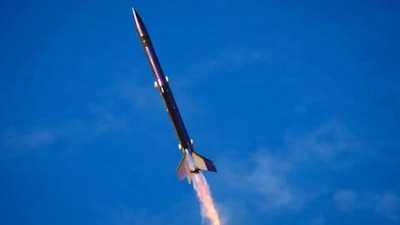
Draper's engine packs 1814kg of thrust and runs on hydrogen peroxide and kerosene that store at room temperature; no fancy cooling needed.
It's restartable, uses a closed-cycle design based on proven technology, and is made with in-house 3-D printing for fast, cost-effective production.
Ursa Major delivered the ready-to-fly system in just eight months.
CEO Chris Spagnoletti summed it up: This flight proves that you can get a vehicle with a safe, storable and throttleable liquid engine in the air quickly and affordably.
Air Force Research Laboratory's Javier Urzay called it a milestone for scalable hypersonic technology.
Unlike Russia's Zircon or China's DF-17, Draper's throttleable design lets it handle tricky maneuvers inside or outside the atmosphere, which could be useful for interceptor concepts.
This successful test could open doors to even more advanced defense technology down the line.
-
'Let the sleeping lions roar / decolonise your mind': Poems inspired by African writers

-
Tim Sherwood BEGS to take Igor Tudor's job and save Tottenham on live TV

-
Tamil Nadu: Nine police officers convicted in 2020 custodial killing of father, son

-
Meryl Streep reveals she recorded 'a million versions' of secret 'Project Hail Mary' cameo

-
UPI-Based Loan Facility for Women: Bank of Baroda Launches Instant Credit via Mobile