

It has been raining in many states including North India in the last few days. In some places it has slowed down and in some places it has become faster and it is also happening. Snowfall is also occurring in hilly areas like Uttarakhand, Himachal Pradesh, Jammu and Kashmir. The rains in the month of March prove to be harmful for most of the crops. Farmers often have to suffer financial losses. India is an agricultural country, where farming largely depends on the weather. The recent rains and snowfall have increased the heartbeats of the farmers.
Now the question is, for which crops is this rain beneficial and for which it is harmful? Where is it raining in different states of the country? How much will be the positive and negative impact on crops?
In which states did it rain and snow?
In the last few days, light to moderate rain has been recorded in many areas of North Indian states like Punjab, Haryana, Rajasthan and Uttar Pradesh. Clouds have rained in some parts of Madhya Pradesh also. Talking about hilly states, there has been good snowfall in the high altitude areas of Himachal Pradesh, Uttarakhand and Jammu and Kashmir. In contrast, most of the states of South India and some parts of West India are currently dry, where there is sunshine.
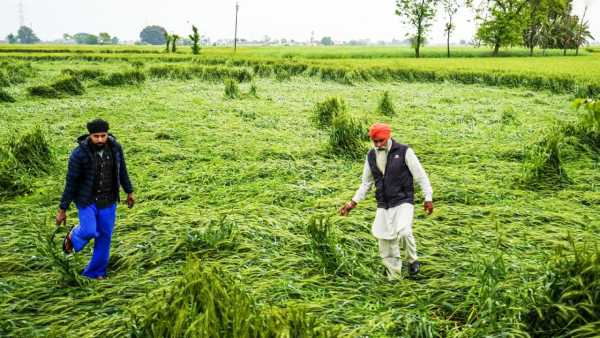
The wheat crop got destroyed in Amritsar after rain and strong winds. Photo: PTI
For which crops is this rain beneficial?
This is the time of Rabi crops. Light rain is no less than nectar for crops like wheat, gram, peas and lentils. Because all these crops are close to ripeness. The wheat crop is currently in a state of growth. Light rain brings natural moisture to the soil, which is very good for root development. This also saves the cost of irrigation. Crops like gram and peas also benefit from this moisture. Due to this, the size of the grains improves and the yield is expected to increase. Apple, walnut and almond orchards can benefit from snowfall. By getting coolness, the need of 'chilling hour' of these trees is fulfilled, which is necessary for good flowering.
Which crops are being damaged?
Not every rain is beneficial for crops. If strong winds blow or hail falls along with the rain, huge damage can occur. The mustard crop is currently on the verge of ripening or flowers have already appeared in it. Where there has been heavy rain, hailstorm, there is a possibility of crop damage. If the fields of vegetables like tomato, chilli, cabbage and potato get filled with water, the roots start rotting. Due to increase in moisture the attack of fungus and insects also increases. Rain during potato digging can damage the tubers and reduce their storage capacity.
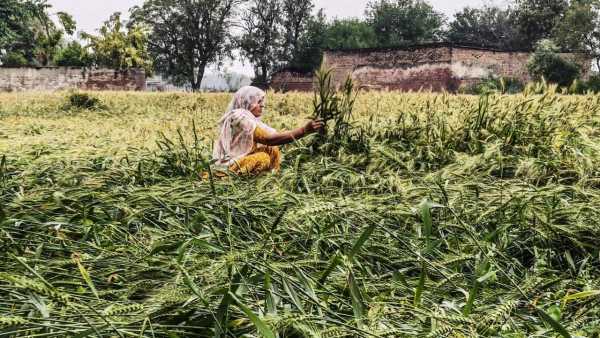
Crops were also affected in Rewari, Haryana. Photo: PTI
Impact of early and late sown crops?
The time of sowing is directly related to the health of the crop. The crops of those farmers who had sown in October or early November are now in strong condition. Light rain is working as a tonic for them. However, if the crop is fully ripe, rain can reduce the shine of the grains. The crops of farmers who had sown in late December or January are still small. Excessive rain or waterlogging can kill these tender plants. Also, lack of sunlight can stop the growth of these plants.
Major crops affected
Mainly the following crops may be affected by the current weather. Wheat quality and production may be affected. The amount of oil in mustard and the growth of grains may be hindered. Due to excess moisture, there is a risk of rot disease in gram crop. Crops like potato and tomato can become victims of blight disease. Rain at the time of mango blossom affects pollination, resulting in less fruit production.
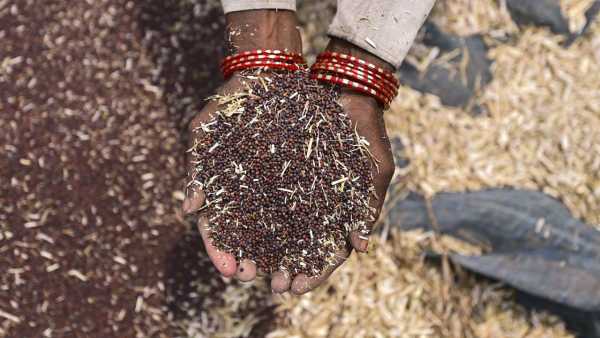
Strong winds and rain also affected the mustard crop. Photo: PTI
Challenges of dry areas
Farmers are worried where there has been no rain. Due to increasing temperature the moisture in the soil is depleting rapidly. In such a situation, farmers have to irrigate by running diesel pumps or tube wells, due to which the cost of farming is increasing. Lack of water can slow down the growth of crops.
What should farmers do in these days?
Scientists have been suggesting farmers to take some precautions amid these fluctuations in weather. In areas where it is raining, make proper arrangements for drainage in the fields so that water does not accumulate. Avoid spraying fertilizers or pesticides during rains. There will be loss. Do harvesting or threshing of crops only when the weather is clear. Use fungicides as per the advice of agricultural experts so that diseases caused by moisture can be prevented. Where there is no rain, the correct suggestion for the farmers is that they should irrigate the crop only as per their need. Spray medicines.
In this way, it can be said that the current rains are proving to be mixed for Rabi crops. While this is a boon for wheat, it is a challenge for mustard and vegetables. Amidst this change in nature, only proper management can save the hard work of farmers. The government and the agriculture department will also have to be ready to help the farmers by assessing the affected areas. This can prove to be a lifesaver for them.
-
There’s an Entire Living World Beneath Your Feet, And It Shouldn’t Exist

-
Happy Eid-ul-Fitr 2026 Images: 100 best Eid Mubarak wishes, quotes and messages to share

-
CJI Surya Kant recuses from hearing on EC appointments law

-
Eid namaz time in India: Check city-wise prayer timings for Delhi, Lucknow, Hyderabad, Srinagar and other cities

-
Tesla expects Dutch decision on self-driving technology by April 10