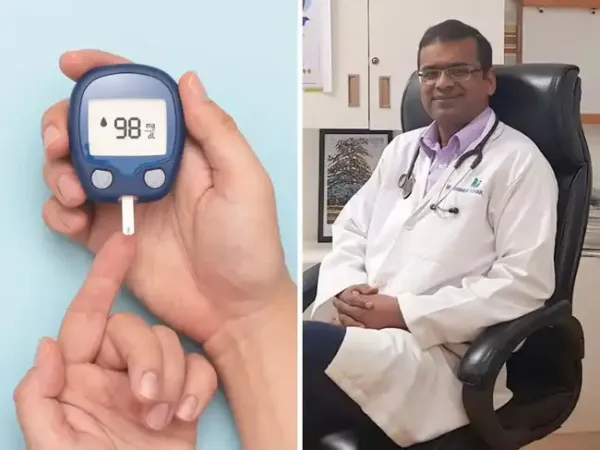
A normal fasting sugar reading can give a false sense of security, hiding early signs of diabetes that quietly damage nerves and blood vessels. Dr Sudhir Kumar, a CMC-trained neurologist at Apollo Hospital, Hyderabad, highlights cases where patients with normal fasting glucose still develop severe complications. One patient with burning feet and “idiopathic neuropathy” turned out to have diabetic nerve damage, revealed only through HbA1c testing.
The issue lies in relying solely on fasting glucose, which offers just a snapshot of blood sugar levels. Post-meal spikes often inflict the earliest harm, and patients may already experience nerve or vascular damage while their fasting sugar appears normal. HbA1c testing provides a more accurate picture of long-term glucose control, capturing fluctuations that fasting readings miss and allowing early diagnosis of diabetes before irreversible complications set in.
Clinically, this means doctors should look beyond one number. Patients presenting with unexplained neuropathy or “idiopathic” symptoms require additional evaluation, including HbA1c and post-meal blood sugar measurements. Waiting until fasting sugar rises can allow significant nerve and vascular injury to occur unnoticed. Early detection and intervention are crucial for preventing progression, reinforcing that normal fasting glucose does not automatically rule out diabetes.
Dr Kumar emphasises that fasting glucose is the least sensitive test for early-stage diabetes. By the time abnormalities show up in fasting sugar, much of the underlying damage may already be underway. The case highlights the importance of comprehensive evaluation and underscores why relying on a single test can be misleading in modern medical practice.
What is diabetic neuropathy?
Diabetic neuropathy is a form of nerve damage that can develop in people with diabetes, according to the Mayo Clinic. Persistently high blood sugar, or glucose, can injure nerves throughout the body over time. While it most commonly affects the legs and feet, the condition can impact multiple systems depending on which nerves are damaged, including the digestive system, urinary tract, blood vessels, and heart.
Symptoms of diabetic neuropathy
Symptoms of diabetic neuropathy vary widely. Some individuals may notice mild tingling, numbness, or pain in their hands, feet, or legs, while others can experience severe discomfort that interferes with sleep or daily activities. Because nerve damage progresses slowly, many people may not realise anything is wrong until significant damage has occurred. The severity and location of symptoms depend on which type of neuropathy is present, as some individuals may have one type or multiple types simultaneously.
When to visit your doctor?
It is important to seek medical attention if warning signs appear. According to the Mayo Clinic, people should consult a healthcare professional if they have sores or cuts on the feet that do not heal, experience burning, tingling, or weakness in the extremities, notice changes in digestion, urination, or sexual function, or experience dizziness or fainting. Early evaluation and intervention can prevent complications and improve quality of life.
Screening for diabetic neuropathy is crucial because tests can detect nerve damage before noticeable symptoms develop. The American Diabetes Association recommends that screening begin immediately after a diagnosis of type 2 diabetes or five years after a type 1 diabetes diagnosis. Annual screening thereafter helps identify early signs of neuropathy, making management easier and reducing the risk of serious complications.
The issue lies in relying solely on fasting glucose, which offers just a snapshot of blood sugar levels. Post-meal spikes often inflict the earliest harm, and patients may already experience nerve or vascular damage while their fasting sugar appears normal. HbA1c testing provides a more accurate picture of long-term glucose control, capturing fluctuations that fasting readings miss and allowing early diagnosis of diabetes before irreversible complications set in.
Clinically, this means doctors should look beyond one number. Patients presenting with unexplained neuropathy or “idiopathic” symptoms require additional evaluation, including HbA1c and post-meal blood sugar measurements. Waiting until fasting sugar rises can allow significant nerve and vascular injury to occur unnoticed. Early detection and intervention are crucial for preventing progression, reinforcing that normal fasting glucose does not automatically rule out diabetes.
Dr Kumar emphasises that fasting glucose is the least sensitive test for early-stage diabetes. By the time abnormalities show up in fasting sugar, much of the underlying damage may already be underway. The case highlights the importance of comprehensive evaluation and underscores why relying on a single test can be misleading in modern medical practice.
What is diabetic neuropathy?
Diabetic neuropathy is a form of nerve damage that can develop in people with diabetes, according to the Mayo Clinic. Persistently high blood sugar, or glucose, can injure nerves throughout the body over time. While it most commonly affects the legs and feet, the condition can impact multiple systems depending on which nerves are damaged, including the digestive system, urinary tract, blood vessels, and heart.Symptoms of diabetic neuropathy
Symptoms of diabetic neuropathy vary widely. Some individuals may notice mild tingling, numbness, or pain in their hands, feet, or legs, while others can experience severe discomfort that interferes with sleep or daily activities. Because nerve damage progresses slowly, many people may not realise anything is wrong until significant damage has occurred. The severity and location of symptoms depend on which type of neuropathy is present, as some individuals may have one type or multiple types simultaneously.When to visit your doctor?
It is important to seek medical attention if warning signs appear. According to the Mayo Clinic, people should consult a healthcare professional if they have sores or cuts on the feet that do not heal, experience burning, tingling, or weakness in the extremities, notice changes in digestion, urination, or sexual function, or experience dizziness or fainting. Early evaluation and intervention can prevent complications and improve quality of life.Screening for diabetic neuropathy is crucial because tests can detect nerve damage before noticeable symptoms develop. The American Diabetes Association recommends that screening begin immediately after a diagnosis of type 2 diabetes or five years after a type 1 diabetes diagnosis. Annual screening thereafter helps identify early signs of neuropathy, making management easier and reducing the risk of serious complications.