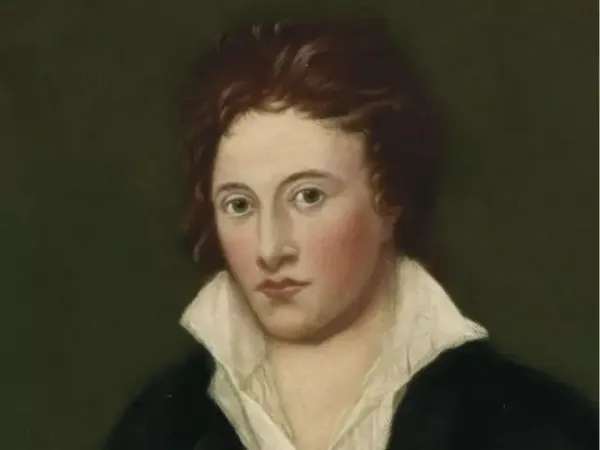
Nothing lasts forever, not even times of difficulty or challenges. Renowned poet Percy Bysshe Shelley emphasized that everything even our most darkest moments are transient and will fade away, giving way to happier times. This verse expresses hope and the certainty of change. Winter symbolizes hardship, despair, or difficult phases in life, while spring represents renewal, joy, and new beginnings. Shelley suggests that no period of suffering lasts forever; just as seasons naturally shift, dark times will eventually give way to brighter ones. The quote reassures us that adversity is temporary and often followed by growth and transformation. It encourages patience, resilience, and optimism, reminding us to trust the cycle of life and believe that better days are always approaching, even when circumstances feel bleak and overwhelming.
Quote By PB Shelley On Importance Of Having Hope
In his poem Ode To The West Wind, the great poet observed: “If Winter comes, can Spring be far behind?”
Deeper Meaning Behind This Quote
The famous line by Percy Bysshe Shelley carries a profound message about hope, resilience, and the inevitability of change. Winter, in this context, symbolizes periods of hardship, despair, or emotional darkness that every individual experiences at some point in life. It reflects moments when everything feels still, cold, and lifeless. However, Shelley contrasts this with the promise of spring, which represents renewal, growth, and fresh beginnings.
At a deeper level, the quote suggests that suffering is never permanent. Just as nature follows a cycle where winter inevitably gives way to spring, human life too moves through phases of difficulty toward recovery and transformation. It reassures us that even in our lowest moments, change is already in motion.
Ultimately, the line is an invitation to remain patient and optimistic. It encourages us to trust life’s rhythms, reminding us that hope quietly follows despair, and brighter days are always closer than they seem.
Relevance Of Shelley’s Observations
The famous line by Percy Bysshe Shelley remains deeply relevant in today’s fast-paced and often uncertain world. It speaks to modern struggles—whether personal setbacks, career challenges, or emotional hardships—reminding us that difficult phases are temporary. In an age where stress, anxiety, and setbacks are common, the idea that better times will follow offers comfort and strength.
The quote also resonates in broader contexts such as economic downturns, social unrest, or global crises. Just as winter is a natural phase before renewal, periods of instability often lead to growth, innovation, and positive change.
On a personal level, it encourages resilience and patience. It teaches individuals not to lose hope during low moments, as transformation is already on its way. Ultimately, Shelley’s words continue to inspire optimism, reminding us that no matter how harsh the present may seem, brighter and more hopeful days are always approaching.
Early Life and Literary Identity
Percy Bysshe Shelley, born on 4 August 1792, emerged as one of the defining voices of the English Romantic movement. Known for his imaginative brilliance and intellectual boldness, he developed a reputation as both a visionary poet and a thinker unafraid to challenge established norms. His writings reflected not only artistic sensitivity but also a deep engagement with political and social questions. During his lifetime, however, his work did not receive the widespread admiration it would later command. His unconventional ideas and rebellious tone often distanced him from mainstream acceptance.
Despite this initial lack of recognition, Shelley's literary influence expanded significantly after his death. His poetry began to resonate with later generations, shaping the creative directions of major writers such as Robert Browning, Algernon Charles Swinburne, Thomas Hardy, and W. B. Yeats. Renowned critic Harold Bloom praised Shelley as an exceptional artist, highlighting his lyrical mastery and his remarkably advanced, questioning intellect.
Major Works and Poetic Brilliance
Shelley’s literary output displays extraordinary variety and innovation. His longer compositions include works such as Alastor, or The Spirit of Solitude (1816), Julian and Maddalo (1818–19), and the politically charged The Mask of Anarchy (1819). He also composed Adonais (1821), a deeply moving elegy dedicated to John Keats, and The Triumph of Life (1822), which remained unfinished at the time of his death.
His shorter lyrical poems are equally celebrated, including Ozymandias, Ode to the West Wind, and To a Skylark. These works demonstrate his gift for vivid imagery and emotional intensity. In addition to poetry, Shelley explored dramatic forms in verse, producing notable plays such as The Cenci, Prometheus Unbound, and Hellas. His ability to experiment across genres established him as a versatile and innovative literary figure.
Evolving Reputation and Intellectual Depth
Throughout the twentieth century, Shelley’s reputation experienced periods of both admiration and neglect. Yet from the 1960s onward, critical appreciation of his work grew steadily. Scholars began to emphasize the dynamic energy of his imagery, his technical command over poetic structures, and the philosophical richness embedded in his writing. His poetry often weaves together scepticism, idealism, and materialist thought, creating layers of meaning that continue to engage readers and critics alike.
Shelley’s intellectual reach extended beyond poetry into prose. He produced novels and numerous essays addressing political, social, and philosophical themes. Much of this material faced publication challenges during his lifetime due to the controversial nature of his views, particularly his critiques of religion and authority. As a result, several of his works either remained unpublished or were released in censored forms.
Political Influence and Wider Impact
In the decades following his death, Shelley’s writings gained traction among reformist and radical movements. His ideas found an audience within progressive circles, including early socialist and democratic groups. Thinkers and leaders such as Karl Marx, Mahatma Gandhi, and George Bernard Shaw admired aspects of his thought, demonstrating the wide-ranging appeal of his work across different ideological traditions.
His fearless questioning of authority and advocacy for freedom made his poetry resonate with those seeking social change. Over time, his writings became symbolic of intellectual resistance and artistic courage.
Personal Struggles and Final Years
Shelley’s personal life was marked by turbulence and difficulty. He faced ongoing health concerns, strained family relationships, and strong criticism for his outspoken atheism and rejection of societal norms. In 1818, he chose to leave England permanently, settling in Italy, where he spent the final years of his life.
During this period of self-imposed exile, he produced some of his most remarkable work, demonstrating both creative maturity and philosophical depth. His second wife, Mary Shelley, was herself a distinguished writer, best known for Frankenstein.
Shelley’s life came to a tragic end in 1822 when he died in a boating accident at just 29 years old. Despite his short life, his enduring legacy continues to shape the landscape of English literature, securing his place as one of the most influential poets of the Romantic era.
Quote By PB Shelley On Importance Of Having Hope
In his poem Ode To The West Wind, the great poet observed: “If Winter comes, can Spring be far behind?”Deeper Meaning Behind This Quote
The famous line by Percy Bysshe Shelley carries a profound message about hope, resilience, and the inevitability of change. Winter, in this context, symbolizes periods of hardship, despair, or emotional darkness that every individual experiences at some point in life. It reflects moments when everything feels still, cold, and lifeless. However, Shelley contrasts this with the promise of spring, which represents renewal, growth, and fresh beginnings.At a deeper level, the quote suggests that suffering is never permanent. Just as nature follows a cycle where winter inevitably gives way to spring, human life too moves through phases of difficulty toward recovery and transformation. It reassures us that even in our lowest moments, change is already in motion.
Ultimately, the line is an invitation to remain patient and optimistic. It encourages us to trust life’s rhythms, reminding us that hope quietly follows despair, and brighter days are always closer than they seem.
Relevance Of Shelley’s Observations
The famous line by Percy Bysshe Shelley remains deeply relevant in today’s fast-paced and often uncertain world. It speaks to modern struggles—whether personal setbacks, career challenges, or emotional hardships—reminding us that difficult phases are temporary. In an age where stress, anxiety, and setbacks are common, the idea that better times will follow offers comfort and strength.The quote also resonates in broader contexts such as economic downturns, social unrest, or global crises. Just as winter is a natural phase before renewal, periods of instability often lead to growth, innovation, and positive change.
On a personal level, it encourages resilience and patience. It teaches individuals not to lose hope during low moments, as transformation is already on its way. Ultimately, Shelley’s words continue to inspire optimism, reminding us that no matter how harsh the present may seem, brighter and more hopeful days are always approaching.
Early Life and Literary Identity
Percy Bysshe Shelley, born on 4 August 1792, emerged as one of the defining voices of the English Romantic movement. Known for his imaginative brilliance and intellectual boldness, he developed a reputation as both a visionary poet and a thinker unafraid to challenge established norms. His writings reflected not only artistic sensitivity but also a deep engagement with political and social questions. During his lifetime, however, his work did not receive the widespread admiration it would later command. His unconventional ideas and rebellious tone often distanced him from mainstream acceptance.Despite this initial lack of recognition, Shelley's literary influence expanded significantly after his death. His poetry began to resonate with later generations, shaping the creative directions of major writers such as Robert Browning, Algernon Charles Swinburne, Thomas Hardy, and W. B. Yeats. Renowned critic Harold Bloom praised Shelley as an exceptional artist, highlighting his lyrical mastery and his remarkably advanced, questioning intellect.
Major Works and Poetic Brilliance
Shelley’s literary output displays extraordinary variety and innovation. His longer compositions include works such as Alastor, or The Spirit of Solitude (1816), Julian and Maddalo (1818–19), and the politically charged The Mask of Anarchy (1819). He also composed Adonais (1821), a deeply moving elegy dedicated to John Keats, and The Triumph of Life (1822), which remained unfinished at the time of his death.His shorter lyrical poems are equally celebrated, including Ozymandias, Ode to the West Wind, and To a Skylark. These works demonstrate his gift for vivid imagery and emotional intensity. In addition to poetry, Shelley explored dramatic forms in verse, producing notable plays such as The Cenci, Prometheus Unbound, and Hellas. His ability to experiment across genres established him as a versatile and innovative literary figure.
Evolving Reputation and Intellectual Depth
Throughout the twentieth century, Shelley’s reputation experienced periods of both admiration and neglect. Yet from the 1960s onward, critical appreciation of his work grew steadily. Scholars began to emphasize the dynamic energy of his imagery, his technical command over poetic structures, and the philosophical richness embedded in his writing. His poetry often weaves together scepticism, idealism, and materialist thought, creating layers of meaning that continue to engage readers and critics alike.Shelley’s intellectual reach extended beyond poetry into prose. He produced novels and numerous essays addressing political, social, and philosophical themes. Much of this material faced publication challenges during his lifetime due to the controversial nature of his views, particularly his critiques of religion and authority. As a result, several of his works either remained unpublished or were released in censored forms.
Political Influence and Wider Impact
In the decades following his death, Shelley’s writings gained traction among reformist and radical movements. His ideas found an audience within progressive circles, including early socialist and democratic groups. Thinkers and leaders such as Karl Marx, Mahatma Gandhi, and George Bernard Shaw admired aspects of his thought, demonstrating the wide-ranging appeal of his work across different ideological traditions.His fearless questioning of authority and advocacy for freedom made his poetry resonate with those seeking social change. Over time, his writings became symbolic of intellectual resistance and artistic courage.
Personal Struggles and Final Years
Shelley’s personal life was marked by turbulence and difficulty. He faced ongoing health concerns, strained family relationships, and strong criticism for his outspoken atheism and rejection of societal norms. In 1818, he chose to leave England permanently, settling in Italy, where he spent the final years of his life.During this period of self-imposed exile, he produced some of his most remarkable work, demonstrating both creative maturity and philosophical depth. His second wife, Mary Shelley, was herself a distinguished writer, best known for Frankenstein.
Shelley’s life came to a tragic end in 1822 when he died in a boating accident at just 29 years old. Despite his short life, his enduring legacy continues to shape the landscape of English literature, securing his place as one of the most influential poets of the Romantic era.