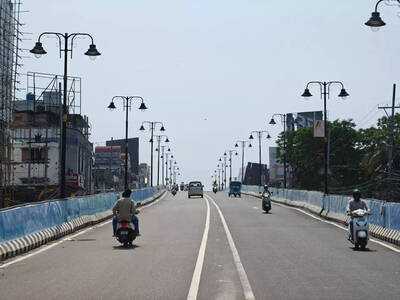
Guwahati, March 21: The flyovers in Guwahati could have been designed not just to alleviate traffic but also to include features like rainwater harvesting and systems to combat waterlogging. The lack of these elements highlights a significant oversight in urban planning, leaving critical issues unresolved.
As a result, during rainfall, water cascades from these elevated structures, exacerbating waterlogging and threatening the integrity of the infrastructure below, including roads and sidewalks.
Experts believe that integrating water harvesting systems could have alleviated waterlogging on the roads below while also facilitating the recharge of shallow aquifers.
Such systems could also provide water for non-drinking purposes, such as irrigation, cleaning, and firefighting, while preventing sudden water discharge from flyovers that splashes onto vehicles and pedestrians.
Globally, rainwater harvesting (RWH) from flyovers and elevated roadways is becoming a common practice aimed at managing stormwater runoff, reducing waterlogging, and supplying non-potable water for urban areas.
In India, cities like Bengaluru have implemented projects featuring RWH systems. For instance, the Namma Metro’s Reach 1 from Baiyappanahalli to MG Road includes underground tanks with a capacity of 3,000 liters on either side of every second pillar. The pillars along the 33-km overground stretch of Metro Phase 1 are equipped with downpipes that channel rainwater into these tanks. Once filled, excess rainwater is redirected to pits measuring 18 feet and 5 feet.
The 10.1-km Avinashi Road Elevated Flyover in Coimbatore has dedicated rainwater harvesting structures, 200-foot-deep borewells, and a drip irrigation system to maintain greenery between the pillars, showcasing an environmentally friendly approach.
Dr. Bipul Talukdar from Assam Engineering College commented, “Rainwater harvesting from flyovers and bridges is an emerging aspect of urban stormwater management, particularly in densely populated cities where impermeable elevated surfaces lead to rapid runoff that often goes to waste. Flyovers and bridges can serve as effective rainwater catchments due to their impermeable surfaces. With appropriate hydrological design and the integration of filtration and recharge systems, they can greatly aid in urban flood management, groundwater recharge, and sustainable infrastructure.”
Prof. Arup Kumar Sarma from IIT Guwahati mentioned that his team proposed a rainwater harvesting system for a stretch of national highway in Nagaon. He noted, “In Guwahati, the challenge will be to store or channel the water effectively. This could also aid in groundwater replenishment, especially during dry periods,” adding that such a system could significantly help reduce waterlogging on roads.
Rainwater harvesting is essential in water-scarce regions for highway projects. The National Green Tribunal (NGT) had previously mandated in a 2015 order that the Centre and all public authorities ensure the installation of rainwater harvesting systems in every project, including flyovers, bridges, and other government construction activities.
Currently, Guwahati boasts 20 flyovers, eight rail overbridges, and three bridges spanning the Brahmaputra River.
-
Phones: No need to worry even if your phone gets wet during the rainy season! Here are the best waterproof smartphones with top-notch IP ratings..

-
Instagram Update: Instagram Reels can now be paused; the company has introduced a new feature..

-
RPSC Admit Card 2026: Assistant Engineer Main Exam Admit Card Released, Download Directly Here..

-
Amazon May Launch Its Own Smartphone; Work Underway: Report

-
DarkSword Spyware Attack: Apple Issues Advisory; These iPhone Users Are at Highest Risk..