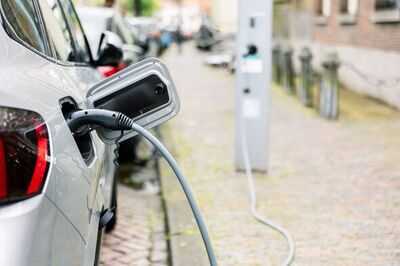
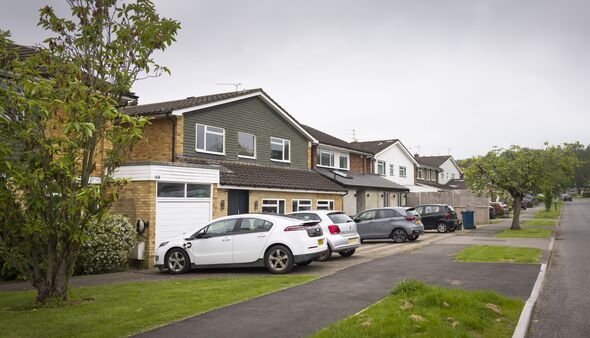
A simple driveway car tax rule affecting every electric vehicle in the UK has been blasted as "unfair". EV owners topping up their batteries on their driveway benefit from domestic electricity rates and are charged just 5% VAT.
However, those forced to rely on public charging bays are slapped with a 20% VAT fee, a massive blow. The charge has previously been branded the 'pavement tax', with many in the EV industry continually demanding that the discrepancy between fees is axed.
Justin Whitehouse, Managing Director at Alvarez and Marsal Tax stressed the rule feels "inherently unfair" to many.
He said: "This is a win for common sense. To most people, it feels inherently unfair that those with a driveway can charge their vehicles at a reduced VAT rate, while those without off-street parking are left paying the full rate.
"That said, the legislation has always been difficult to apply in practice, relying as it does on the definition of 'premises' to distinguish between residential and commercial use. Despite industry lobbying, HMRC had not sought to clarify this position, making it almost inevitable that the issue would be challenged."
WhatCar? has previously suggested that cutting VAT rates from 20% to 5% could save frequent users as much as £389 a year. They explained that if savings are passed on to car owners, motorists could save up to £7.48 every time they topped up their battery from 10-80%.
Data shows that as many as 35% of EV drivers can't charge up at home and therefore rely on the public network despite higher fees. Last month, a UK court ruled that the 5% VAT rate should also apply to parts of the public network after a case was put forward by Charge My Street.
Tax experts at Deloitte argued that existing VAT law says the provision of less than 1,000kWh per month of electricity to a person counts as 'domestic', meaning some public sites should be charged at 5%.
First-tier Tribunal backed the Charge My Street case and rejected arguments put forward by HMRC.
There had been some expectation that Rachel Reeves would make changes to the fees in her Spring Statement, but the Chancellor didn't adjust costs.
-
Down to the last drop: Physics answers a kitchen question

-
Trump's Controversial Proposal to Address Airport Security Amid Government Shutdown
-
Dramatic Footage Captures Iranian Missile Striking Near Jerusalem Mosque on Eid

-
Meghan Markle's closest friend reveals what she's really like behind closed doors

-
Lotto winning numbers LIVE: National Lottery results with Thunderball on Saturday March 21