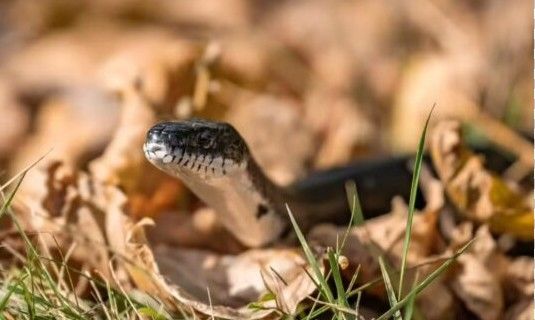
How to safely deal if there’s a snake in your garden
First rule: step back. Snakes usually don’t want to interact. They prefer quiet, hidden spaces. Approaching can feel threatening. Keep a distance and let it slither at its own pace. Sometimes, just standing still and watching is enough. It might pass without you even noticing after a few moments.A small tip: Avoid sudden movements. Snakes rely on vibrations. Quick steps might be interpreted as a danger. Moving slowly, quietly, keeps both parties calm.
- Watch without interfering
If you can, monitor from a safe distance. A window, garden gate, or far edge of the yard works. Seeing where the snake goes can help identify hiding spots. Under porches, sheds, or foundations are common. Monitoring lets you ensure it leaves safely. And reportedly, observing first can prevent future surprise encounters. You can also note if certain areas attract snakes repeatedly. Keep notes, even mentally. Time of day, weather, and location. Patterns appear. Snakes often return to the same areas if food or shelter is available.
- Call in a professional if needed
Sometimes, watching isn’t enough. If children, pets, or neighbours are nearby, experts suggest contacting trained handlers. Professionals can identify species. Some snakes, like adders or copperheads, are venomous. Handling them without training is risky. Even non-venomous snakes might be removed if repeatedly entering high-traffic areas. Safety for humans and snakes both matters.It can’t be stressed enough: avoid poking or prodding. Throwing sticks, chasing, or nudging is a bad idea. A non-venomous snake can still bite if startled. Let it move on its own. Cornering or forcing it in any direction increases risk. Snakes are surprisingly fast and unpredictable when threatened. Experts advise patience. Often, they leave on their own.Small side note: Snakes can appear “slow,” but they’re not. A sudden rush might look random, but it is usually escape behaviour. Being calm helps everyone.
Snakes: Your garden’s quiet pest fighters
Snakes aren’t just visitors. They’re natural pest controllers. Rodents, slugs, insects but they do take care of them. That reduces damage to plants and crops. Less need for chemical pest control. Non-venomous snakes quietly maintain a balanced garden ecosystem. Removing them unnecessarily can upset that balance. People often overlook this. Even if it feels creepy at first, their role is significant. A few snakes might save hours of work controlling pests. And they rarely stay long if the garden isn’t providing food or shelter.
Make your garden less attractive
Reducing attractants can limit snake activity. Cut the grass short. Remove debris, woodpiles, and leaf litter. Seal gaps under sheds, porches, or foundations. Controlling rodents is crucial. Less food, fewer hiding spots, fewer snakes. Small steps make a difference. Experts report that tidy gardens are less likely to host repeated visitors.
-
Bank Holidays Next Week: Banks to Remain Closed for 4 Days Due to Ram Navami and Weekend

-
EPS-95 Pension Demand Intensifies: Protest Threat if ₹7,500 Minimum Pension Isn’t Announced by April 2

-
Best FD Rates 2026: Small Finance vs Private vs Government Banks—Where Should You Invest for 1–5 Years?

-
Sahara Refund Portal Update: Claims Up to ₹10 Lakh Now Allowed, Here’s How Investors Can Benefit

-
New HRA Tax Rules 2026: Bigger Savings for Rent-Paying Employees, But With Stricter Disclosure Norms