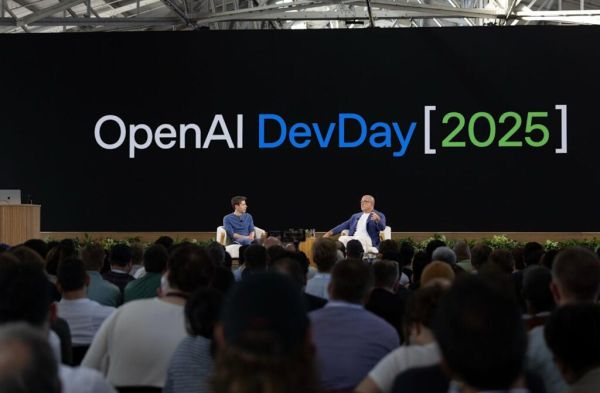
OpenAI is preparing for a major hiring push. The company plans to grow its workforce to about 8,000 employees by the end of 2026, up from roughly 4,500 today. The plan signals a sharp shift in scale as the race to build and deploy advanced AI systems heats up.
The expansion touches almost every part of the business. OpenAI is not just hiring more engineers. It is building out product teams, research groups, and customer-facing roles at the same time.
A fast rise in headcount
Today, OpenAI has around 4,500 employees. The new target would nearly double that number within a few years. That kind of growth is rare, even in the tech sector.
The hiring will focus on five main areas:
- Product development
- Engineering
- Research
- Sales
- Technical ambassadorship roles
These “technical ambassador” roles stand out. They focus on helping companies use OpenAI tools in real settings. That includes setup, tuning, and long-term support. In simple terms, OpenAI wants more people who can bridge the gap between AI models and business use.
Why OpenAI is scaling now
The timing is not random. Competition in AI has reached a new level.
Rivals like Anthropic and Google, through its Gemini models, are pushing hard on both research and products. Each company wants to lead in building systems that power apps, workflows, and entire platforms.
OpenAI has strong consumer reach, but it now faces pressure on the enterprise side. Businesses want reliable AI tools that fit into their systems. That means better support, clearer pricing, and smoother integration.
Hiring more sales and deployment staff helps solve that. It also shows that OpenAI is moving beyond pure research. The company is now focused on real-world use at scale.
The enterprise push
A large share of new roles will support enterprise growth. This includes:
- Sales teams that work with large clients
- Engineers who help integrate APIs
- Specialists who guide long-term deployments
This shift reflects a simple idea: building a powerful model is not enough. Companies need help using it. That includes training teams, managing data, and adapting workflows.
OpenAI’s technical ambassadors will likely play a key role here. They act as both engineers and advisors. Their job is to make sure customers get value from AI tools.
Backed by massive funding
The hiring push follows a huge funding wave. Reports suggest a valuation near $840 billion and around $110 billion raised, with backing from investors like SoftBank.
This level of funding gives OpenAI room to expand fast. Hiring, office space, and infrastructure all require large upfront costs. With fresh capital, the company can move without short-term limits.
More than hiring: a broader build-out
Workforce growth is just one part of a wider plan.
OpenAI is also expanding its physical presence. The company plans to scale its office footprint in San Francisco. More space supports larger teams and closer collaboration, especially for research and product work.
At the same time, OpenAI is exploring acquisitions. Startups like Astral and Promptfoo have been mentioned in reports. These deals can bring in talent, tools, and new ideas faster than hiring alone.
There is also a reported joint venture with TPG. This move points to a focus on infrastructure and deployment. Running large AI systems needs data centers, hardware, and global reach. Partnerships can help speed that up.
Leadership tone matters in moments like this. Reports describe a “code red” mindset from CEO Sam Altman.
That phrase signals urgency. It suggests that OpenAI sees this period as a turning point. The company wants to move fast while it still has an edge.
This urgency shows in the hiring plan. Doubling headcount is not just growth. It is a signal that OpenAI wants to lead across research, products, and enterprise use at the same time.
What does it mean going forward?
If OpenAI hits its 8,000-employee target, it will look very different from today. The company will have deeper product teams, stronger enterprise support, and a wider global footprint.
At the same time, growth brings challenges. Managing a larger workforce can slow decision-making. It can also change company culture. OpenAI will need to balance speed with structure.
Still, the direction is clear. OpenAI is no longer just a research lab. It is becoming a full-scale tech company, with the people and systems to match.
The next two years will show whether this expansion pays off.
-
Toy manufacturing startup Bidso raises Rs 63 crore led by Blume ventures
-
Arsenal player ratings vs Man City as Kepa has Wembley nightmare and four 5/10s struggle

-
Ian Wright fumes at Mikel Arteta decision that 'cost' Arsenal in Carabao Cup final

-
Shocking Case of Sisterly Betrayal in Uttar Pradesh

-
Marc Guehi denied Man City Carabao Cup medal after being banned for Arsenal win