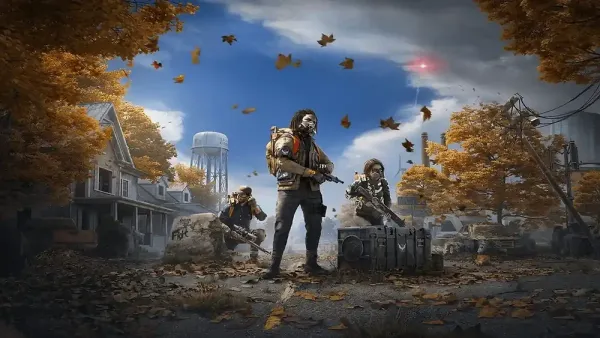
In a move that signals a deeper shift in strategy, Ubisoft has officially ended game development at Red Storm Entertainmentthe North Carolina-based studio long associated with the Ghost Recon franchise. While the studio itself isn’t shutting down, its role is changing dramatically—and that change comes at a cost.
More than 100 employees have been laid off as Ubisoft transitions Red Storm from game development to internal support functions.
From Frontline Developer to Support Backbone
Red Storm will now focus on behind-the-scenes responsibilities, including work on Ubisoft’s Snowdrop Engine, IT services, and customer support operations. In practical terms, that means the studio is no longer part of Ubisoft’s core game development pipeline.
This isn’t just a restructuring on paper. Around 105 employees have lost their jobs as part of the shift, marking one of the more significant layoffs tied to Ubisoft’s ongoing cost-cutting measures.
A Legacy Tied to Tom Clancy Games
Founded in 1996, Red Storm played a key role in shaping Ubisoft’s identity in tactical shooters. The studio was instrumental in developing early entries in both Tom Clancy’s Rainbow Six and Ghost Recon, helping define the genre in the late 90s and early 2000s.
Its last major Ghost Recon title was Future Soldier in 2012, after which the studio gradually shifted toward supporting roles and experimental projects. More recently, it worked on VR titles like Star Trek: Bridge Crew and Assassin’s Creed Nexus VR.
A String of Cancellations
The writing had been on the wall for some time. Red Storm’s recent projects have struggled to reach completion. An untitled Splinter Cell VR game was scrapped in 2022, followed by the cancellation of The Division Heartland in 2024.
These back-to-back cancellations likely played a role in Ubisoft’s decision to rethink the studio’s future. Without a successful release pipeline, maintaining a full development team became harder to justify.
Ubisoft’s Bigger Strategy Shift
This move is part of a broader restructuring effort announced earlier this year. Ubisoft is reorganising its operations into five “creative houses,” each dedicated to specific IPs. Franchises under the Tom Clancy Universe—including Ghost Recon, Splinter Cell, and The Division now fall under a centralised development model.
The company is also doubling down on open-world experiences, live-service games, and integrating player-facing generative AI into its future titles. What this really means is fewer standalone experimental projects and more focus on scalable, long-term platforms.
What This Means Going Forward
For players, this likely won’t immediately affect ongoing franchises. But behind the scenes, Ubisoft is consolidating how those games get made. Studios like Red Storm are no longer leading projects; they’re supporting a larger machine.
For employees, though, the impact is immediate and personal. Over a hundred people are now looking for their next opportunity in an already volatile industry.
Ubisoft is betting that this tighter, more centralised approach will help it recover from a rough few years. Whether that pays off—or further narrows the creative diversity it was once known for remains to be seen.
-
Struggling To Sleep? Try These 5 Ayurvedic Cooling Drinks Before Bed

-
BSEB Inter Result 2026 Declared: Girls Record 86.23% Passing Rate; Outshine Boys

-
BSEB Class 12 Arts Result 2026 Declared: Nishu Kumari Secures 1st Rank, 3 Students Share 2nd Spot

-
'I'm Jealous Of Deepika Padukone, She Gets To Talk & Sleep Next To Ranveer Singh': YouTuber Harsh Beniwal Praises Actor's Dhurandhar 2 Performance

-
Rajeev Khandelwal Gets Candid On Casting Couch Debate: 'You Can't Say You Were Exploited If You Were Looking For An Easy Way Out' | FPJ Exclusive