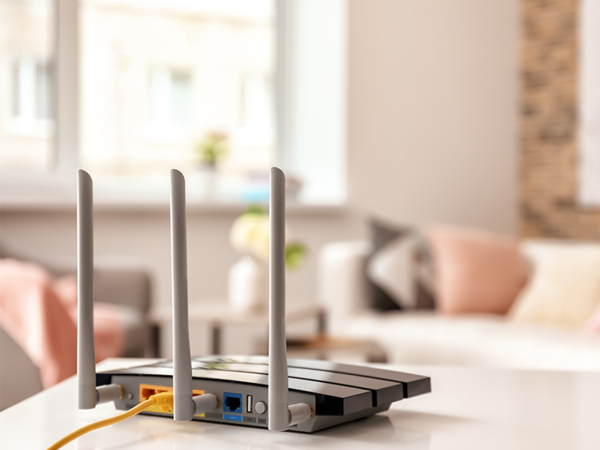
The Wi-Fi router installed in your home often continues to function for years on end; however, did you know that it, too, has a limited lifespan? An aging router not only delivers sluggish internet speeds but can also pose a significant threat to your online security. According to experts, replacing your router promptly is crucial for ensuring optimal speed and security. Let's explore the reasons why.
Why Should You Replace Your Router After 4–5 Years?
People often purchase a router once and continue using it for an extended period; however, like all technology, it has its limitations. According to various reports and experts, it is generally considered advisable to upgrade your router every 3 to 5 years. Over time, both the hardware and software components of a router become outdated, which inevitably impacts its performance. A new router not only delivers faster speeds but also supports newer technologies that enhance the overall internet experience.
Why Does an Old Router Slow Down Your Internet?
Older routers often operate on legacy standards—such as Wi-Fi 4 or Wi-Fi 5—which inherently limit internet speeds. Even if you have subscribed to a high-speed internet plan, an outdated router may be unable to fully deliver the promised speed. Consequently, you may frequently encounter issues such as buffering, slow download speeds, and disruptions during video calls. Newer routers come equipped with advanced technologies, such as Wi-Fi 6, which provide faster and more stable connections.
An Old Router Poses Security Risks as Well
The most significant risk associated with an old router is related to cybersecurity. After a certain period, manufacturers typically cease releasing software updates for older devices. This makes such routers easier targets for hackers. The risk of your personal information—including passwords and banking details—being compromised or leaked increases significantly. Newer routers feature modern security protocols, such as WPA3, which make your network far more secure.
Routers Also Fall Short in Terms of Range and Multi-Device Support
Over time, the internal components and antennas within a router degrade, resulting in diminished signal strength and reduced coverage area. The impact of this is clearly visible in the internet speeds across different rooms of the house. Furthermore, older routers are unable to handle multiple devices simultaneously—a significant issue, given that every modern home now has numerous connected smart devices. Newer routers come equipped with technologies such as MU-MIMO and beamforming, which offer superior range and support for multiple devices concurrently.
Disclaimer: This content has been sourced and edited from TV9. While we have made modifications for clarity and presentation, the original content belongs to its respective authors and website. We do not claim ownership of the content.
-
Parents of Wayanad seafarer seek help as son goes incommunicado amid conflict in Iran

-
New law mandates suspended sentences for terms of 12 months or less

-
Why Deepika Padukone Doesn't Owe Instagram A Reaction To Ranveer Singh's Dhurandhar 2

-
From Hangovers To Healing: The Rise Of Sober Curious Travel

-
Diana Fuentes dead: Beloved news legend dies 'unexpectedly' as tributes pour in