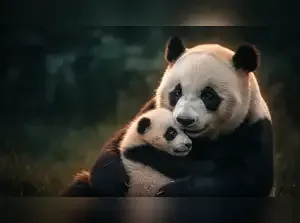
At first glance, it sounds like good news. Giant pandas tend to give birth to twins. This should provide an increased chance for the growth of their species. However, this is not what happens in nature.
More often than not, only one cub survives. The other is left behind. It may seem harsh, but this is not random behavior. It is closely related to how pandas live their lives and what they eat.
Why Raising Two Cubs Is So Difficult
A panda’s life appears to be very relaxed. They mostly eat bamboo and sleep. However, their lifestyle conceals a problem. Bamboo does not contain much energy. Research discussed by EnviroLiteracy explains that bamboo is low in calories and protein. That makes it hard for a mother panda to produce enough milk, even for one cub.
Now imagine trying to feed two. Newborn panda cubs are tiny and completely dependent. They need constant warmth, feeding, and protection. This level of care demands a lot of energy from the mother.
In the wild, that energy simply is not available. So, a decision is made by the mother. She focuses her attention on the cub, which has a better chance of survival. It is not a matter of choice. It is a matter of survival.
The Role of Behavior and Communication
There is another side to this issue. The cubs themselves are not passive. Studies featured by Phys.org show that panda cubs use sounds to communicate with their mothers. The sounds may convey their hunger.
In cases when there are two panda cubs, the sounds they make may affect which one gets the mother’s attention. Over time, one cub may receive more care simply because it is stronger or more responsive. The other slowly gets less attention.
This process is subtle, but it matters. It demonstrates that survival is not only dependent upon the capabilities of the mother but also upon how the cubs interact with the mother.
 How Captive Care Changed the Outcome
Things look different in captivity. Conservation centers have found ways to help both cubs survive without overburdening the mother. One widely used method is called cub swapping. Panda International describes how keepers rotate the twins between the mother and an incubator.
While one cub feeds, the other rests and receives care from humans. Then they switch. This continues throughout the early weeks.
It allows both cubs to receive enough nutrition without exhausting the mother. There are also cases where another panda acts as a foster mother. This helps when a cub is rejected or needs extra care. These methods have made a big difference.
In fact, in rare cases, mothers have been able to raise twins alone. Research done by Schönbrunn Zoo and reports from Ueno Zoo indicated that it was possible. However, these conditions are not always present in nature.
What This Tells Us About Pandas
This is not a failure. This is an adjustment. Pandas are in an environment where food quality is lacking, even though quantity is not an issue. Because of that, they cannot afford to divide their energy too much.
By focusing on one cub, the mother increases the chance that at least one survives. It is a trade-off, but it works within the limits of their world. At the same time, conservation efforts show that this limit can be eased with support.
That is why captive breeding programs matter. They do not change the animal, but they change the conditions around it. Still, in the end, the story of the panda twins is not that simple.
It begins with two cubs. But in the end, there is often only one. And the reason for this, according to the panda mother, is to guarantee the survival of the species in harsh circumstances.
More often than not, only one cub survives. The other is left behind. It may seem harsh, but this is not random behavior. It is closely related to how pandas live their lives and what they eat.
Why Raising Two Cubs Is So Difficult
A panda’s life appears to be very relaxed. They mostly eat bamboo and sleep. However, their lifestyle conceals a problem. Bamboo does not contain much energy. Research discussed by EnviroLiteracy explains that bamboo is low in calories and protein. That makes it hard for a mother panda to produce enough milk, even for one cub.
Now imagine trying to feed two. Newborn panda cubs are tiny and completely dependent. They need constant warmth, feeding, and protection. This level of care demands a lot of energy from the mother.
In the wild, that energy simply is not available. So, a decision is made by the mother. She focuses her attention on the cub, which has a better chance of survival. It is not a matter of choice. It is a matter of survival.
The Role of Behavior and Communication
There is another side to this issue. The cubs themselves are not passive. Studies featured by Phys.org show that panda cubs use sounds to communicate with their mothers. The sounds may convey their hunger.
In cases when there are two panda cubs, the sounds they make may affect which one gets the mother’s attention. Over time, one cub may receive more care simply because it is stronger or more responsive. The other slowly gets less attention.
This process is subtle, but it matters. It demonstrates that survival is not only dependent upon the capabilities of the mother but also upon how the cubs interact with the mother.
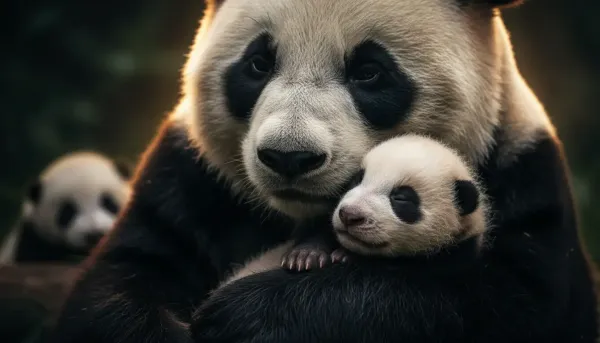
This natural selection process, influenced by cub communication, ensures at least one offspring's survival in harsh conditions. Captive care, however, employs methods like cub swapping to allow both twins to thrive. Image Credit: Google Gemini
Things look different in captivity. Conservation centers have found ways to help both cubs survive without overburdening the mother. One widely used method is called cub swapping. Panda International describes how keepers rotate the twins between the mother and an incubator.
While one cub feeds, the other rests and receives care from humans. Then they switch. This continues throughout the early weeks.
It allows both cubs to receive enough nutrition without exhausting the mother. There are also cases where another panda acts as a foster mother. This helps when a cub is rejected or needs extra care. These methods have made a big difference.
In fact, in rare cases, mothers have been able to raise twins alone. Research done by Schönbrunn Zoo and reports from Ueno Zoo indicated that it was possible. However, these conditions are not always present in nature.
What This Tells Us About Pandas
This is not a failure. This is an adjustment. Pandas are in an environment where food quality is lacking, even though quantity is not an issue. Because of that, they cannot afford to divide their energy too much.
By focusing on one cub, the mother increases the chance that at least one survives. It is a trade-off, but it works within the limits of their world. At the same time, conservation efforts show that this limit can be eased with support.
That is why captive breeding programs matter. They do not change the animal, but they change the conditions around it. Still, in the end, the story of the panda twins is not that simple.
It begins with two cubs. But in the end, there is often only one. And the reason for this, according to the panda mother, is to guarantee the survival of the species in harsh circumstances.