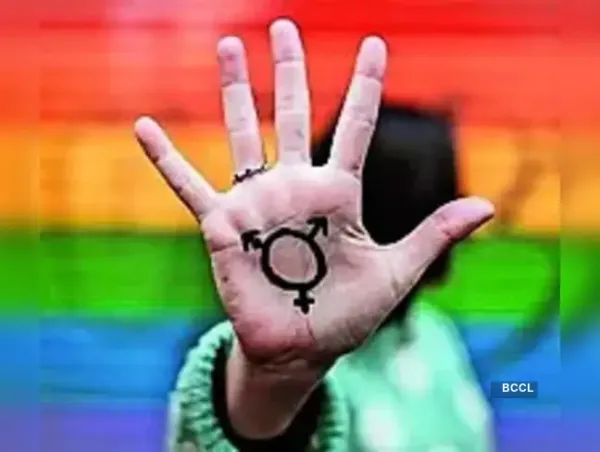
Earlier this month, GoI told Parliament that Census 2027 would record the gender of the head of household under three categories - male, female, and transgender. While this move has been welcomed as a progressive step toward visibility, the proposed Transgender Persons (Protection of Rights) Amendment Bill 2026, placed in Parliament on March 13, signals a troubling shift.
The proposed Bill raises three core concerns: it removes self-identification as the basis of legal gender recognition, departing from the rights framework affirmed in 'NALSA v. Union of India' verdict; it introduces medical and bureaucratic gatekeeping by requiring certification through boards and district authorities; and it narrows the definition of 'transgender', risking exclusion of non-binary, gender-fluid and other identities that fall outside rigid sociocultural or biological categories. This shift replaces a person's internal sense of self with clinical scrutiny, forcing individuals to undergo verification by medical boards and district authorities, thereby transforming a fundamental right into a bureaucratic permit raj, deepening vulnerability and institutional dependence of individuals.
A lack of thought regarding ground realities is apparent. In a country where the transgender community faces systemic abandonment, family rejection and socioeconomic exclusion, adding layers of verification only invites further harassment. Governance is not merely about administrative precision - the 'tightening' in the new Bill is ostensibly to weed out misuse - but also about empathy. Laws must be fundamentally inclusive, reflecting the vast spectrum of identities rather than forcing it into rigid, outdated boxes. This Bill is a regressive step. It should be taken back.
The proposed Bill raises three core concerns: it removes self-identification as the basis of legal gender recognition, departing from the rights framework affirmed in 'NALSA v. Union of India' verdict; it introduces medical and bureaucratic gatekeeping by requiring certification through boards and district authorities; and it narrows the definition of 'transgender', risking exclusion of non-binary, gender-fluid and other identities that fall outside rigid sociocultural or biological categories. This shift replaces a person's internal sense of self with clinical scrutiny, forcing individuals to undergo verification by medical boards and district authorities, thereby transforming a fundamental right into a bureaucratic permit raj, deepening vulnerability and institutional dependence of individuals.
A lack of thought regarding ground realities is apparent. In a country where the transgender community faces systemic abandonment, family rejection and socioeconomic exclusion, adding layers of verification only invites further harassment. Governance is not merely about administrative precision - the 'tightening' in the new Bill is ostensibly to weed out misuse - but also about empathy. Laws must be fundamentally inclusive, reflecting the vast spectrum of identities rather than forcing it into rigid, outdated boxes. This Bill is a regressive step. It should be taken back.