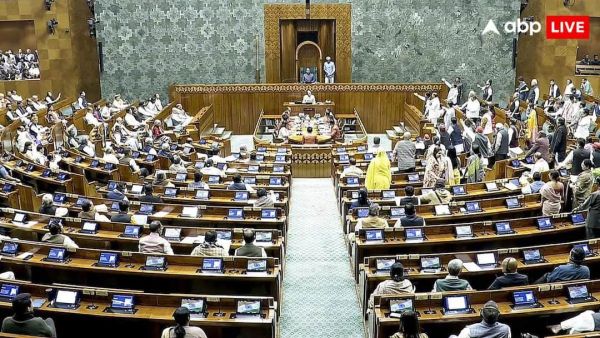
The central government is preparing to implement women’s reservation in the 2029 Lok Sabha elections. According to sources, steps are being considered to increase the number of Lok Sabha seats from the current 543 to 816. This proposal is expected to be implemented through a delimitation exercise while maintaining the existing population ratio, with one-third of the total seats reserved for women. The government may introduce a bill related to this in Parliament during the ongoing session.
Sources also indicate that the government is trying to build a broad consensus on the amendment bill with various political parties, including both NDA allies and opposition parties. The proposed legislation may include a plan to increase the total number of Lok Sabha seats by 50 per cent.
Major States To See Seat Increase
Uttar Pradesh: from 80 to 120 (increase of 40 seats)
Maharashtra: from 48 to 72 (increase of 24 seats)
West Bengal: from 42 to 63 (increase of 21 seats)
Bihar: from 40 to 60 (increase of 20 seats)
Madhya Pradesh: from 29 to 44 (increase of 15 seats)
Rajasthan: from 25 to 38 (increase of 13 seats)
Gujarat: from 26 to 39 (increase of 13 seats)
Odisha: from 21 to 32 (increase of 11 seats)
Jharkhand: from 14 to 21 (increase of 7 seats)
Assam: from 14 to 21 (increase of 7 seats)
Punjab: from 14 to 21 (increase of 7 seats)
Chhattisgarh: from 11 to 17 (increase of 6 seats)
Haryana: from 10 to 15 (increase of 5 seats)
Delhi: from 7 to 11 (increase of 4 seats)
Jammu & Kashmir: from 5 to 8 (increase of 3 seats)
Uttarakhand: from 5 to 8 (increase of 3 seats)
Seats reserved for Scheduled Castes (SC) may increase from 84 to 126, and for Scheduled Tribes (ST) from 47 to 70.
Increase In Smaller States And Northeast
Smaller states and Union Territories are also expected to see modest but assured increases. Himachal Pradesh may go from 4 to 6 seats, while Goa could rise from 2 to 3 seats.
In the Northeast:
Arunachal Pradesh: from 2 to 3
Sikkim: from 2 to 3
Mizoram: from 2 to 3
Manipur: from 2 to 3
Tripura: from 2 to 3
Meghalaya: from 2 to 3
Overall, smaller states and UTs could see their combined seats increase from 20 to 30 (an addition of 10 seats). The move is aimed at strengthening Parliament while maintaining the current balance. However, the proposal will require approval through a constitutional amendment, which will need support from opposition parties. Southern states have expressed concerns due to their population control measures, but government sources claim no state will lose its relative share.
Changes in southern states
Tamil Nadu: from 39 to 59 (increase of 20 seats)
Karnataka: from 28 to 42 (increase of 14 seats)
Andhra Pradesh: from 25 to 38 (increase of 13 seats)
Kerala: from 20 to 30 (increase of 10 seats)
Telangana: from 17 to 26 (increase of 9 seats)
While the government has already passed the Nari Vandan Act in both Houses of Parliament, it links women’s reservation to delimitation based on the 2027 Census. The concern now is that delays in completing the 2027 Census process could push back the implementation of women’s reservation beyond 2029.
To address this, the government is considering bringing in a new amendment bill to enable delimitation based on the 2011 Census instead, ensuring that women’s reservation can be implemented before the 2029 Lok Sabha elections.
-
Unlock powerful smartphone performance with the Huawei Mate 80 Pro

-
After Praising Dhurandhar 2, Ram Gopal Varma Teams Up With Aditya Dhar For Syndicate: Report

-
Rapper Badshah Ties the Knot with Isha Rikhi: A Look at Their Wedding

-
Government Issues Order to WhatsApp Regarding Digital Scams: Device IDs to Be Blocked; These 5 Safety Features Will Keep Users Safe..

-
Rajasthan Board Class 10 Results 2026 Announced: Girls Excel Again