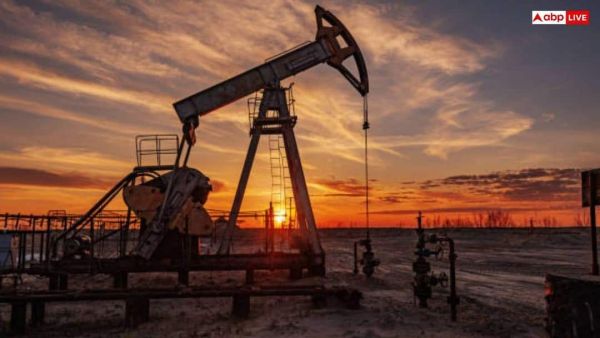
The ongoing conflict involving Iran has thrown global oil supply into serious trouble. The Strait of Hormuz, through which a large share of the world's oil moves, is now disrupted. Oil prices have climbed to $112 per barrel, and in the United States, gas prices have hit $5 per gallon. As transportation costs rise, everything from store-bought goods to food is getting more expensive.
Fertilizers, which are critical for farming and also move through Hormuz, are becoming harder to source, putting food security at risk as well.
How Everyday Life Is Already Changing
The effects are showing up quickly. United Airlines has already cut its flights by 5% this week, and airlines across other countries are following. Air travel is becoming both costlier and harder to access.
Governments are advising people to avoid non-essential travel, language that sounds familiar from the COVID era. Several countries have moved beyond advice into action. Japan has introduced fuel rationing and is distributing energy vouchers. South Korea is doing the same. In Bangladesh, the Philippines, and Sri Lanka, long queues at petrol stations have become a common sight.
Australia is urging people to cut non-essential travel. India, which imports around 80% of its oil through Hormuz, is under pressure. Pakistan, already dealing with an economic crisis, has seen its situation worsen with the oil shock.
The IEA's 10-Point Plan And Why It Sounds Like A Lockdown
The International Energy Agency has released a plan titled "Sheltering from Oil Shocks." It includes assigning driving days based on license plate numbers, lowering highway speed limits, reducing air travel, encouraging work from home, and switching to electric stoves.
The IEA draws a direct comparison to COVID, saying similar measures worked then and can work now. Governments may frame it as "energy security," but the outcome could be restricted movement without permission, much like a lockdown.
If oil prices continue rising, this plan could roll out across multiple countries and may eventually evolve into long-term digital systems that regulate vehicle use, travel, and even household energy consumption.
-
Rusk Media Onboards Performax, DaMENSCH for Battleground S2; Abhishek Malhan aka Fukra Insaan Returns as Mentor

-
Rusk Media Onboards Performax, DaMENSCH for Battleground S2; Abhishek Malhan aka Fukra Insaan Returns as Mentor

-
ISMA SugarNXT Hackathon 2026 Concludes with Grand Success Showcasing Transformative Innovations for India's Sugar & Bio-Energy Sector
-
Only Hindus, Buddhists, Sikhs can claim to be Scheduled Caste, says Supreme Court
-
ASICS Brings High-Energy Performance to Bengaluru Ahead of TCS World 10K 2026 with SUPERBLAST™ 3 Launch